When Should You Get a Stool Test for Parasites? Understanding the Signs and Process
Feeling a bit off lately? Persistent tummy troubles, unexplained fatigue, or just a general sense that something isn’t quite right with your digestive system? If these symptoms sound familiar, you might be wondering, “when should you get a stool test for parasites?” It’s a common question, and one that often leads people to seek answers about their gut health. Parasitic infections, though sometimes overlooked, can be a significant contributor to a wide range of health issues, affecting everything from your energy levels to your mood. Understanding the signs that point to a potential parasitic problem and knowing when to talk to your doctor about getting a stool test is a crucial step towards regaining your well-being in 2025. This comprehensive guide will walk you through everything you need to know, helping you make informed decisions about your health.
Key Takeaways
- Persistent Symptoms are Key: If you experience ongoing digestive issues like diarrhea, constipation, bloating, abdominal pain, or unexplained fatigue, especially after travel or exposure risks, it’s a strong indicator to consider a stool test.
- Travel History Matters: Recent international travel, particularly to regions with poor sanitation, significantly increases your risk of parasitic infections and should prompt a discussion about testing.
- Understanding the Test: A stool test (also known as a stool O&P for ova and parasites) involves collecting a sample of your poop, which is then examined in a lab to identify parasites or their eggs.
- Doctor’s Consultation is Essential: Always consult a healthcare professional to determine if a stool test is necessary and to interpret the results accurately. Self-diagnosis and treatment are not recommended.
- Prevention and Post-Test Action: Good hygiene, safe food and water practices, and following through with prescribed treatment are vital steps for preventing and managing parasitic infections.
Unpacking the Mystery: What Are Parasites and Why Do They Matter?
Before we dive into when you should get a stool test for parasites, let’s briefly touch upon what we’re dealing with. Parasites are organisms that live on or in a host organism (in this case, you!) and get their food from or at the expense of their host. In humans, these can range from microscopic single-celled organisms like Giardia and Cryptosporidium to larger worms like tapeworms and roundworms.
While the thought of having parasites might sound unsettling, it’s more common than many people realize, especially in certain parts of the world. They can enter your body through contaminated food or water, insect bites, or direct contact with infected soil or feces. Once inside, they can wreak havoc on your digestive system and overall health, leading to a spectrum of symptoms that often mimic other conditions. This is precisely why proper diagnosis, often through a stool test, is so important.
The Silent Invaders: Common Types of Human Parasites
It’s helpful to know a little about the kinds of parasites that might affect humans, as this can sometimes influence the testing process or the symptoms you experience.
Here are a few common culprits:
- Protozoa: These are single-celled organisms, often microscopic.
- Giardia lamblia: Causes giardiasis, leading to diarrhea, gas, greasy stools, stomach cramps, and nausea. It’s often contracted from contaminated water.
- Cryptosporidium: Causes cryptosporidiosis, similar to giardiasis but can be more severe in immunocompromised individuals.
- Entamoeba histolytica: Causes amoebiasis, which can range from mild diarrhea to severe dysentery and even liver abscesses.
- Helminths: These are multicellular worms, often visible to the naked eye at certain life stages.
- Roundworms (Ascaris lumbricoides): Can cause abdominal pain, nausea, vomiting, and sometimes lung symptoms if they migrate.
- Hookworms (Ancylostoma duodenale, Necator americanus): Can cause iron deficiency anemia due to blood loss in the intestines, along with abdominal pain and diarrhea.
- Tapeworms (Taenia species): Can live in the intestines for years, often causing mild symptoms like abdominal discomfort or nausea, but sometimes weight loss or nutrient deficiencies.
- Pinworms (Enterobius vermicularis): Most common in children, causing anal itching, especially at night.
Understanding these different types helps to appreciate why an accurate diagnosis is crucial for effective treatment.
When Should You Get a Stool Test for Parasites? Recognizing the Red Flags 🚩
Now for the main event: pinpointing the circumstances and symptoms that should prompt you to consider a stool test for parasites. It’s not just about having a “funny tummy”; it’s about persistent, unusual, or worsening symptoms that don’t seem to resolve on their own.
Persistent Digestive Distress: More Than Just a Bad Meal
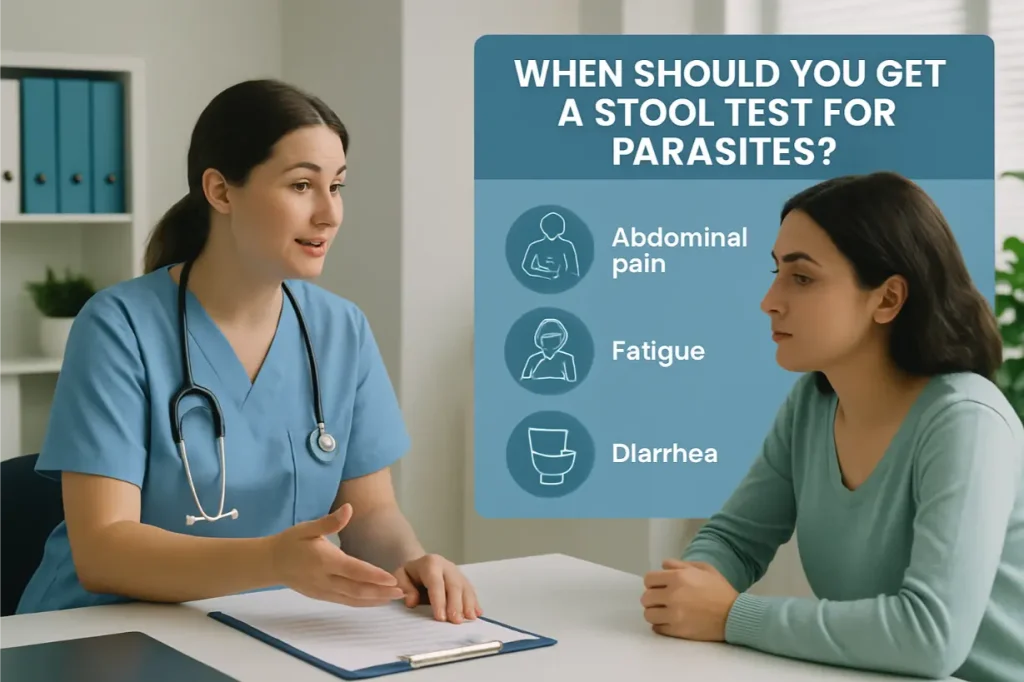
One of the most common reasons to consider a stool test is ongoing digestive problems that don’t have an obvious explanation (like a recent diet change or a one-off food poisoning incident).
Think about these symptoms:
- Chronic Diarrhea: Loose, watery stools that last for more than a few days or weeks, sometimes alternating with constipation.
- Unexplained Constipation: New or worsening constipation without clear dietary or lifestyle changes.
- Abdominal Pain and Cramping: Persistent or recurrent discomfort, sharp pains, or cramping in your stomach area.
- Bloating and Gas: Excessive bloating and gas that doesn’t go away, even with dietary adjustments.
- Nausea and Vomiting: Ongoing feelings of sickness or recurrent episodes of vomiting.
- Greasy or Foul-Smelling Stools: Stools that are particularly greasy, difficult to flush, or have an unusually strong, unpleasant odor.
- Mucus or Blood in Stool: While these can indicate other serious conditions, they can also be a sign of parasitic infection. Seek immediate medical attention if you notice blood.
- Anal Itching: Especially persistent itching around the anus, particularly at night, which is a classic symptom of pinworms.
If you’re experiencing several of these symptoms for an extended period, it’s definitely time to talk to your doctor about when you should get a stool test for parasites.
General Systemic Symptoms: Beyond the Gut
Parasites don’t just affect your gut; they can have a systemic impact on your entire body. These broader symptoms can be trickier to link to parasites directly, but when combined with digestive issues, they paint a clearer picture.
Consider these:
- Unexplained Fatigue and Weakness: Feeling constantly tired, even after a good night’s sleep, or experiencing a noticeable drop in energy levels. This can be due to nutrient malabsorption caused by parasites.
- Weight Loss: Losing weight without trying, especially if accompanied by other digestive symptoms.
- Nutritional Deficiencies: Parasites can steal nutrients from your food, leading to deficiencies in vitamins and minerals, which might manifest in various ways (e.g., iron deficiency anemia from hookworms).
- Skin Rashes or Hives: Some parasitic infections can trigger allergic reactions on the skin.
- Muscle and Joint Pain: Less common, but certain parasitic infections can cause aches and pains in muscles and joints.
- Sleep Disturbances: Restlessness, difficulty sleeping, or the aforementioned anal itching from pinworms can disrupt sleep.
- Anxiety and Mood Changes: The gut-brain axis is powerful; an unhappy gut can impact your mental well-being.
- Recurrent Headaches: Another general symptom that, when coupled with other signs, could point to parasites.
It’s important to remember that these general symptoms can be indicative of many different health conditions. That’s why a proper diagnostic approach, starting with your doctor, is essential.
Travel History and Exposure Risks: When Environment Plays a Role
Your recent activities and environment can be huge clues for when you should get a stool test for parasites.
Ask yourself these questions:
- Recent International Travel: Have you recently traveled to a developing country or an area known for poor sanitation or endemic parasitic infections? “Traveler’s diarrhea” that persists beyond a few days or weeks is a major red flag.
- Exposure to Contaminated Water or Food: Have you consumed untreated water, raw or undercooked meats, unwashed produce, or street food in areas where hygiene might be questionable? Swimming in lakes, rivers, or pools contaminated with feces can also be a risk.
- Contact with Infected Individuals: Have you been in close contact with someone diagnosed with a parasitic infection? Some parasites can be transmitted person-to-person.
- Compromised Immune System: If you have a weakened immune system due to illness or medication, you might be more susceptible to infections and experience more severe symptoms, making testing more critical.
- Working with Soil or Animals: People who work closely with soil (e.g., gardeners, farmers) or animals can be at a higher risk of exposure to certain parasites.
If your symptoms align with any of these exposure scenarios, it significantly strengthens the case for discussing a stool test with your healthcare provider. You might also want to explore general information on maintaining your gut health, even if parasites aren’t the issue. For more insights, consider checking out resources like parasitecleanse.org for a broader understanding of gut wellness.
“Don’t ignore persistent digestive issues, especially if they’re accompanied by unexplained fatigue or recent travel. These could be crucial signals your body is sending about when you should get a stool test for parasites.”
The Stool Test Process: What to Expect 🔬
Once you and your doctor decide that a stool test for parasites is appropriate, understanding what the process entails can help ease any apprehension. It’s a relatively straightforward and non-invasive procedure, but precision in collection is key for accurate results.
How Does a Stool Test for Parasites Work?
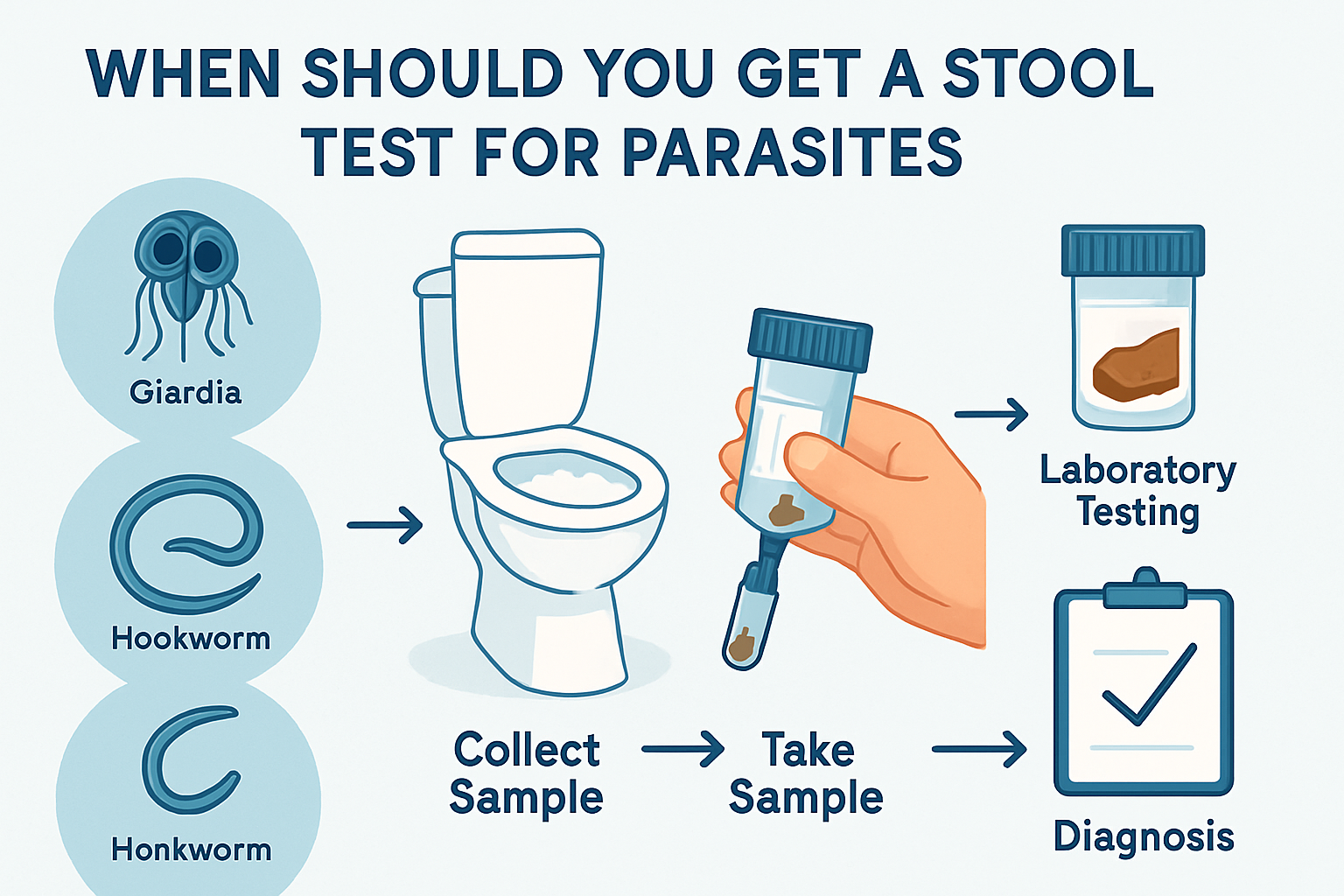
A stool test for parasites, often referred to as a stool Ova and Parasites (O&P) test, involves examining a sample of your feces under a microscope to look for:
- Parasites themselves: Adult worms or protozoa.
- Their eggs (ova): Microscopic eggs laid by parasitic worms.
- Cysts: A dormant, protective stage of some protozoa.
Sometimes, other tests like stool antigen tests (looking for specific proteins released by parasites) or PCR tests (looking for parasite DNA) might also be used, especially for specific parasites like Giardia or Cryptosporidium, as they can be more sensitive. Your doctor will determine the best type of test based on your symptoms and suspected parasites.
Preparing for Your Stool Test
Preparation is usually minimal, but it’s important to follow your doctor’s specific instructions.
General guidelines often include:
- Medication Review: Your doctor may advise you to stop taking certain medications (like antacids, anti-diarrhea drugs, laxatives, or some antibiotics) for a few days or weeks before the test, as they can interfere with the results. Always discuss your current medications with your healthcare provider.
- Dietary Restrictions (Less Common): In some cases, you might be asked to avoid certain foods (e.g., high-fiber foods, specific fruits or vegetables) for a short period, but this is less common for standard O&P tests.
- No Contamination: The most crucial aspect is ensuring the stool sample isn’t contaminated with urine, water from the toilet, or toilet paper.
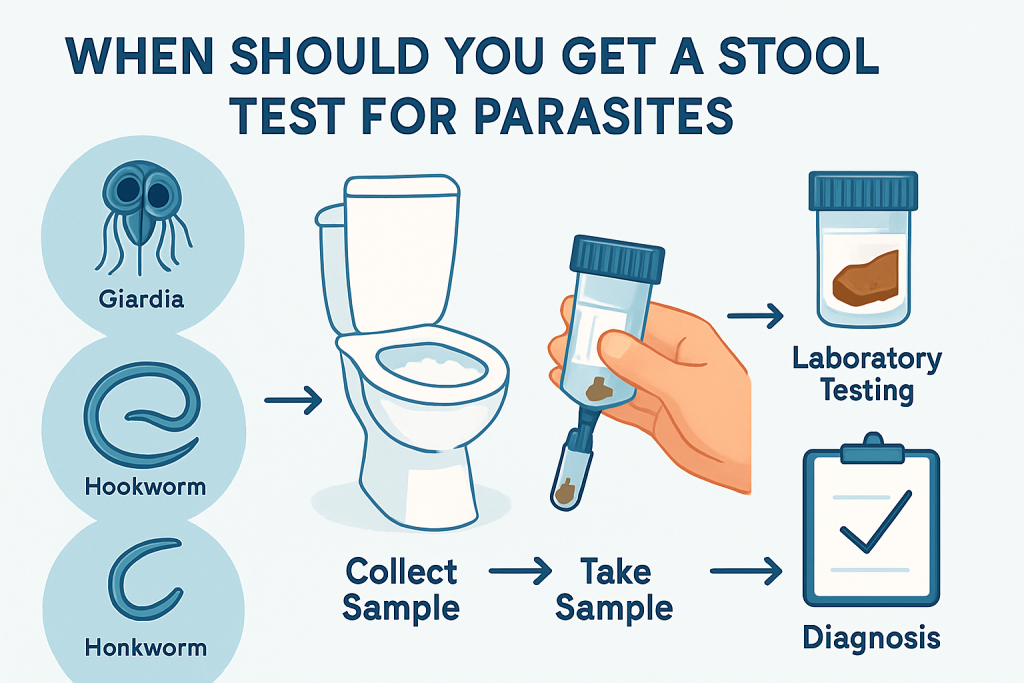
Collecting the Sample: A Step-by-Step Guide
Your doctor or the lab will provide you with a special collection kit, which usually includes:
- A clean container with a tight-fitting lid.
- A scoop or spatula for transferring the sample.
- Specific instructions.
Here’s a typical process:
- Prepare: Place a clean plastic wrap loosely over the toilet bowl or use a clean, dry container (like a disposable plastic container) to catch the stool. Do not collect the sample directly from the toilet water.
- Collect: Use the provided scoop or spatula to collect a small amount of stool. You usually need about a tablespoon, making sure to get samples from different parts of the stool (if possible) to increase the chance of finding parasites.
- Transfer: Carefully transfer the sample into the collection container.
- Seal: Screw the lid on tightly to prevent leakage.
- Label: Label the container with your name, date, and any other information requested by the lab.
- Store & Transport: Follow instructions on storage (some samples need to be kept at room temperature, others refrigerated) and return the sample to the lab as soon as possible, ideally within a few hours. Sometimes, multiple samples over several days are required to increase detection rates.
It’s truly a simple process, though perhaps not the most glamorous!
What Happens After Collection?
Once the lab receives your sample, trained technicians will:
- Examine Macroscopically: Check the sample’s color, consistency, and presence of any visible worms or blood.
- Prepare Slides: Mix a small amount of the sample with special solutions to create slides.
- Microscopic Examination: Examine the slides under a microscope for ova, cysts, and adult parasites. This process is often done by experienced parasitologists who know exactly what to look for.
Results typically take a few days, but this can vary depending on the lab and the specific tests ordered.
Interpreting the Results and Next Steps
Once your stool test results are back, your doctor will discuss them with you.
Positive Result: Now What?
If the test comes back positive for parasites, it means a specific parasite (or parasites) has been identified.
Your doctor will then:
- Confirm Diagnosis: Discuss the type of parasite found and how it relates to your symptoms.
- Prescribe Treatment: Recommend appropriate antiparasitic medication. The type and duration of treatment will depend on the specific parasite.
- Follow-Up: Schedule follow-up tests to ensure the infection has been cleared.
- Prevent Recurrence: Advise you on steps to prevent reinfection, such as improving hygiene, being careful about food and water sources, or considering a natural parasite cleanse as a supportive measure after medical treatment.
It’s crucial to complete the entire course of medication, even if you start feeling better quickly. Stopping early can lead to a recurrence of the infection.
Negative Result: But Symptoms Persist? 🤔
A negative stool test doesn’t always mean you are parasite-free. Several factors can lead to a false negative:
- Intermittent Shedding: Parasites might not always be shedding eggs or cysts in every stool sample. This is why sometimes multiple samples over several days are requested.
- Low Parasite Load: There might be too few parasites to detect in the sample.
- Incorrect Collection: If the sample wasn’t collected properly, it might not yield accurate results.
- Different Test Needed: The specific test ordered might not detect the particular parasite causing your symptoms.
- Other Conditions: Your symptoms might be due to a non-parasitic condition (e.g., Irritable Bowel Syndrome, bacterial infection, food intolerances, stress).
If your symptoms persist despite a negative test, your doctor may:
- Order Additional Tests: This could include repeat stool tests, different types of stool tests (e.g., antigen or PCR), blood tests, or imaging studies.
- Refer to a Specialist: You might be referred to a gastroenterologist or an infectious disease specialist for further evaluation.
- Explore Other Diagnoses: Your doctor will continue to investigate other potential causes for your symptoms.
Never hesitate to seek a second opinion if you feel your concerns are not being fully addressed.
Beyond the Stool Test: Proactive Steps for Gut Health and Prevention 🌿
Knowing when you should get a stool test for parasites is vital for diagnosis, but prevention and general gut health maintenance are equally important. Especially in 2025, with increasing global travel, awareness is key.
Essential Hygiene and Food Safety Practices
These practices are your first line of defense against parasitic infections:
- Handwashing: Wash your hands thoroughly with soap and water for at least 20 seconds, especially after using the bathroom, changing diapers, and before preparing or eating food.
- Safe Drinking Water: Drink bottled water when traveling, or boil tap water, use a reliable filter, or treat it with purification tablets. Avoid ice made from unsafe water.
- Food Safety:
- Wash all fruits and vegetables thoroughly, especially if you plan to eat them raw.
- Cook meat, poultry, and fish to their recommended internal temperatures.
- Avoid raw or undercooked foods when traveling, particularly street food. “Boil it, cook it, peel it, or forget it!” is a good motto.
- Swimming Safety: Avoid swimming in contaminated lakes, ponds, or pools, especially if you have open wounds.
- Pet Hygiene: If you have pets, ensure they are regularly dewormed by a vet and practice good hygiene after handling them or cleaning their waste.
Supporting Your Gut Naturally
Even if you don’t have parasites, maintaining a healthy gut environment can make you less susceptible to invaders and help you recover faster.
Consider these natural approaches:
- Fiber-Rich Diet: A diet rich in fiber from fruits, vegetables, and whole grains supports regular bowel movements, which helps flush out potential pathogens. Learn more about specific recipes in our guide on parasite cleanse diet recipes: fiber-rich meals for gut health.
- Probiotics and Prebiotics: Incorporating fermented foods (like yogurt, kefir, sauerkraut) or probiotic supplements can boost beneficial gut bacteria. Prebiotic foods (like garlic, onions, bananas) feed these good bacteria.
- Herbal Support: Some herbs are traditionally used to support gut health and create an environment less welcoming to parasites. For instance, consider exploring resources on top 5 herbs for a natural parasite cleanse. However, always consult with a healthcare professional before starting any herbal regimen, especially if you’re on medication.
- Hydration: Drinking plenty of clean water is essential for overall digestive function.
- Stress Management: Chronic stress can negatively impact gut health. Practices like meditation, yoga, or spending time in nature can be beneficial.
For a comprehensive approach to natural support for your digestive system, you might find valuable information at parasitecleanse.org/natural-parasite-cleanse-your-2026-step-by-step-plan/. Remember that natural cleanses are generally supportive measures and should not replace medical treatment for diagnosed parasitic infections.
What to Expect During and After a Cleanse or Treatment
Whether you are undergoing a prescribed medical treatment or considering a natural cleanse for general gut support, it’s helpful to know what to expect. Symptoms might temporarily worsen as parasites die off, or you might experience what is sometimes called a “die-off reaction” (Herxheimer reaction) as your body processes toxins. Understanding potential parasite cleanse side effects: what to expect and how to manage them can help you prepare. Documenting your experiences, especially parasite cleanse before and after: what to expect, can also be a useful way to track your progress and discuss with your doctor. Always communicate any concerning symptoms with your healthcare provider.
Conclusion: Empowering Your Health Decisions in 2025
Understanding when you should get a stool test for parasites is a critical piece of the puzzle when it comes to maintaining optimal health. While the idea of having parasites might be unsettling, recognizing the signs and taking proactive steps for diagnosis and treatment can lead to significant improvements in your well-being.
If you’re experiencing persistent digestive issues, unexplained fatigue, or have a travel history to areas with higher risks, don’t ignore these signals. Your body is likely trying to tell you something. The most important action you can take is to consult with a healthcare professional. They can accurately assess your symptoms, consider your risk factors, and determine if a stool test for parasites is the right next step for you. Remember, self-diagnosis and treatment are not recommended.
By being informed, vigilant about your health, and proactive in seeking medical advice, you empower yourself to navigate potential health challenges effectively in 2025 and beyond. Your gut health is a cornerstone of your overall vitality, and a simple stool test can often provide the answers you need to get back on track.
SEO Meta Title: Stool Test for Parasites: When to Get One in 2025
SEO Meta Description: Learn when to get a stool test for parasites in 2025. Discover key symptoms, risk factors, and the diagnostic process for optimal gut health.