Parasites and Unexplained Weight Loss in Adults: A Comprehensive Guide for 2025
Have you found yourself shedding pounds without changing your diet or increasing your exercise? While many people dream of effortless weight loss, an unexplained drop in weight can be a red flag that something is amiss with your health. Among the many potential causes, the often-overlooked connection between parasites and unexplained weight loss in adults is a topic that deserves careful consideration. It’s a reality that can be unsettling to contemplate, yet understanding this link is a crucial step towards regaining your health and well-being. In this article, we’ll explore how these unwelcome guests can impact your body, leading to significant and often baffling weight changes, and what you can do about it in 2025.
Key Takeaways
- Unexplained weight loss can be a symptom of a parasitic infection in adults.
- Parasites steal nutrients, interfere with digestion, and can lead to malabsorption, all contributing to weight loss.
- Common symptoms beyond weight loss include digestive issues, fatigue, skin problems, and nutrient deficiencies.
- Accurate diagnosis by a healthcare professional is crucial for effective treatment.
- Treatment often involves medication, but lifestyle and dietary changes, including a natural parasite cleanse, can play a supportive role.
Understanding the Link Between Parasites and Unexplained Weight Loss in Adults
It’s easy to dismiss persistent digestive issues or fatigue as part of modern life, but when these symptoms are coupled with weight loss that you can’t account for, it’s time to dig deeper. The idea of having parasites can feel like something out of a textbook from a developing country, but in reality, parasitic infections are more common globally than many realize, even in developed nations. They can impact individuals regardless of their lifestyle or geographic location. Understanding how parasites affect the body is the first step in recognizing the potential link to parasites and unexplained weight loss in adults.
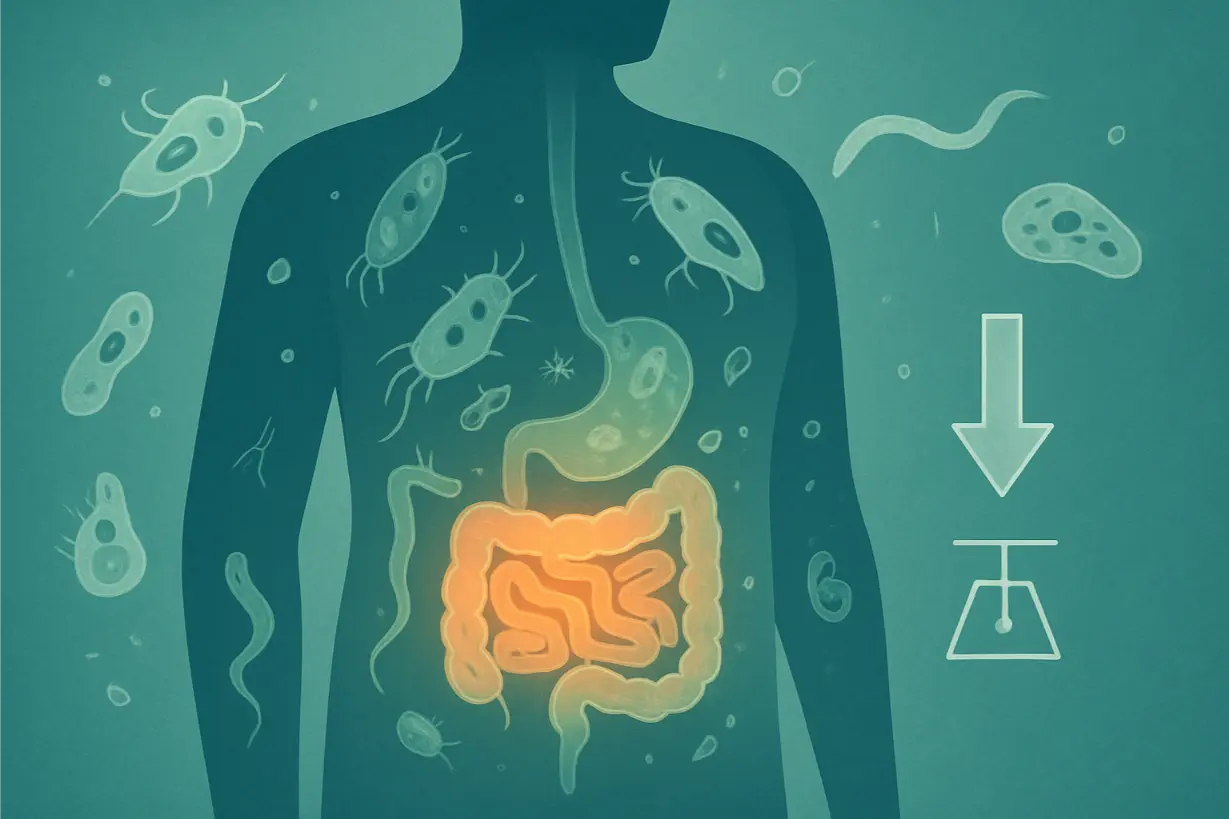
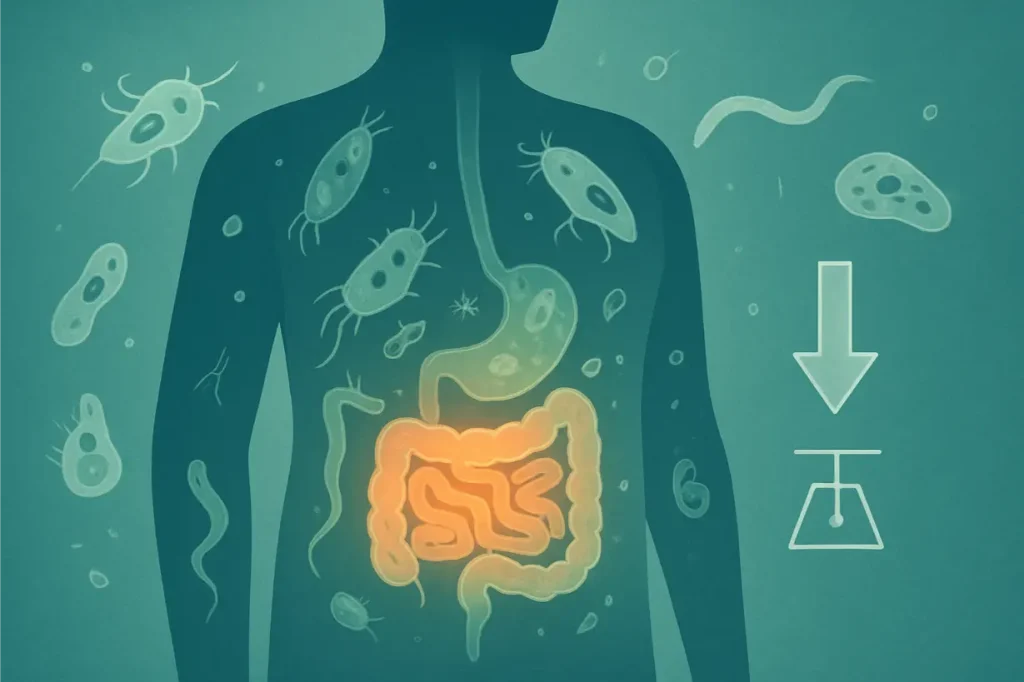
Parasites are organisms that live on or in a host and get their food from or at the expense of their host. They come in many forms, from microscopic single-celled organisms like protozoa to larger worms (helminths) that can be visible to the naked eye. When these parasites take up residence in the human body, particularly within the digestive system, they begin to compete for nutrients.
How Parasites Cause Weight Loss
The mechanisms by which parasites can lead to unexplained weight loss are varied and often interconnected:
Nutrient Malabsorption and Theft: Many parasites reside in the intestines, where they feed directly on the nutrients that the host consumes. For instance, certain tapeworms can grow quite large and absorb a significant portion of ingested food. Other parasites damage the intestinal lining, impairing the body’s ability to properly absorb vitamins, minerals, and macronutrients (proteins, fats, carbohydrates). This ‘nutrient theft’ or malabsorption can lead to a caloric deficit and, consequently, weight loss, even if a person is eating normally. Imagine trying to fuel your body, but a significant portion of that fuel is being siphoned off before it can even be utilized.
Increased Metabolism: In some cases, the body’s immune response to a parasitic infection can trigger a state of chronic inflammation. This inflammation can elevate the body’s metabolic rate as it works harder to fight off the infection, burning more calories than usual. This heightened metabolic activity, combined with nutrient malabsorption, can accelerate weight loss.
Appetite Changes and Digestive Disturbances: Parasitic infections often cause a range of digestive symptoms, including nausea, vomiting, diarrhea, abdominal pain, and bloating. These symptoms can make eating uncomfortable or undesirable, leading to a reduced caloric intake. Chronic diarrhea, in particular, can result in significant fluid and nutrient loss, further contributing to weight loss and dehydration.
Damage to the Gut Lining: Some parasites can physically damage the intestinal walls, leading to conditions like “leaky gut” syndrome. This compromises the integrity of the gut, allowing undigested food particles, toxins, and microbes to leak into the bloodstream, triggering systemic inflammation and further impairing nutrient absorption. The constant inflammatory response and digestive dysfunction make it incredibly difficult for the body to maintain weight.
Anemia: Certain parasites, such as hookworms, feed on blood from the intestinal wall, leading to chronic blood loss and iron-deficiency anemia. Anemia can cause fatigue, weakness, and a general decline in overall health, which might indirectly contribute to a lack of appetite or energy for food preparation, impacting caloric intake.
Common Types of Parasites Associated with Weight Loss
While many parasites can impact health, some are more frequently linked to weight loss in adults:
- Giardia lamblia: A protozoan parasite found in contaminated water and food. It causes giardiasis, leading to severe diarrhea, abdominal cramps, bloating, and significant malabsorption, often resulting in weight loss.
- Cryptosporidium parvum: Another protozoan that causes cryptosporidiosis, characterized by watery diarrhea, abdominal pain, and can be particularly severe and lead to rapid weight loss in immunocompromised individuals.
- Tapeworms (Cestodes): These large, flatworms live in the intestines and absorb nutrients directly from the host. Species like Taenia saginata (beef tapeworm) and Taenia solium (pork tapeworm) can grow to several meters long, and their presence can lead to noticeable weight loss despite a normal diet.
- Hookworms (Ancylostoma duodenale, Necator americanus): These small worms attach to the intestinal wall and feed on blood, causing iron-deficiency anemia, abdominal pain, and can contribute to weight loss and malnutrition.
- Ascaris lumbricoides (Roundworm): The largest human intestinal nematode. Heavy infections can cause nutrient malabsorption, abdominal pain, and impaired growth or weight loss, particularly in children, but can also affect adults.
It’s important to remember that these are just a few examples. A wide array of parasitic infections can potentially lead to unexplained weight loss, making accurate diagnosis by a healthcare provider essential.
Recognizing the Signs: Beyond Unexplained Weight Loss
While unexplained weight loss is a significant symptom, it rarely occurs in isolation when a parasitic infection is the culprit. Recognizing the full spectrum of signs and symptoms is key to understanding when to seek medical attention. The symptoms can vary widely depending on the type of parasite, its location in the body, and the individual’s immune response. However, many common complaints often point towards the presence of these unwelcome guests.
Digestive Disturbances
The digestive system is the most common site for parasitic infections, so it’s no surprise that gastrointestinal issues are frequently reported. These can range from mild to severe and may be intermittent or chronic.
- Chronic Diarrhea or Constipation: One of the most common signs. Diarrhea may be watery, foul-smelling, and can contain mucus or blood. Some parasites, however, can cause chronic constipation by interfering with normal bowel function.
- Abdominal Pain and Cramping: Often localized, but can be diffuse. This pain can range from a dull ache to sharp, intense spasms, especially after eating.
- Bloating and Gas: Persistent bloating, belching, and excessive gas, even after consuming easily digestible foods, can be a symptom. This is often due to the parasites disrupting the normal gut microbiome and fermentation processes.
- Nausea and Vomiting: Particularly in the early stages of an infection or during severe infestations, nausea and vomiting can occur, further reducing food intake and contributing to weight loss.
- Irritable Bowel Syndrome (IBS)-like Symptoms: Many parasitic infections can mimic the symptoms of IBS, leading to misdiagnosis if specific parasite testing isn’t performed. This includes alternating diarrhea and constipation, abdominal discomfort, and changes in stool consistency.
Fatigue and Weakness
Chronic fatigue is a hallmark symptom of many parasitic infections, directly contributing to the impact of parasites and unexplained weight loss in adults. This isn’t just ordinary tiredness; it’s a profound exhaustion that isn’t relieved by rest.
- Persistent Tiredness: Parasites drain the body’s energy reserves by competing for nutrients and causing inflammation. Anemia, a common consequence of certain parasitic infections (like hookworms), further exacerbates fatigue by reducing oxygen delivery to tissues.
- Weakness: A general feeling of weakness or lack of physical strength can accompany the fatigue, making daily activities challenging.
Skin Problems and Allergic Reactions
Some parasitic infections can manifest through skin issues, often due to the body’s immune response or the migration of parasites.
- Rashes, Hives, or Eczema: Allergic reactions to toxins released by parasites or their metabolic byproducts can appear as unexplained skin irritations.
- Itching, Especially Anal Itching: Pinworm infections, in particular, are known for causing intense anal itching, especially at night when the female worms lay eggs around the anus.
Mental and Neurological Symptoms
While less common, some parasites can affect the nervous system or contribute to mental health issues, though this is often seen in more severe or specific infections.
- Mood Swings, Anxiety, or Depression: The chronic stress of infection, nutrient deficiencies, and inflammation can impact neurotransmitter balance.
- Sleep Disturbances: Restlessness, insomnia, or disturbed sleep can be a symptom, especially if itching is present or due to discomfort from digestive issues.
- Brain Fog: Difficulty concentrating, memory problems, and a general feeling of mental fogginess are sometimes reported.
Other Non-Specific Symptoms
- Joint and Muscle Pain: Some parasites can trigger inflammatory responses that lead to aches and pains in joints and muscles.
- Nutrient Deficiencies: Due to malabsorption and nutrient theft, individuals may develop deficiencies in iron (anemia), Vitamin B12, Vitamin D, and other essential nutrients, leading to a range of secondary symptoms.
- Changes in Appetite: While some individuals experience a decreased appetite due to discomfort, others might notice an increased craving for certain foods, particularly carbohydrates, as the parasites compete for energy.
When to Suspect Parasites and Unexplained Weight Loss in Adults
If you are experiencing unexplained weight loss along with several of the symptoms mentioned above, especially if you have:
- Traveled recently to regions with higher rates of parasitic infections.
- Consumed untreated water or undercooked food.
- Been exposed to contaminated environments.
- Had contact with animals known to carry parasites.
- Developed new, persistent digestive problems.
It’s crucial to consult a healthcare professional. Do not self-diagnose or attempt to treat yourself without proper medical guidance, as symptoms can overlap with many other conditions. For more general information on cleansing, you can visit parasitecleanse.org.
Diagnosis and Treatment of Parasitic Infections Leading to Weight Loss
When facing unexplained weight loss and a constellation of other puzzling symptoms, the path to recovery begins with an accurate diagnosis. Since many parasitic infection symptoms can mimic other gastrointestinal or systemic disorders, a thorough medical evaluation is essential. Attempting to self-diagnose or self-treat could delay proper care and potentially worsen your condition.
The Diagnostic Process
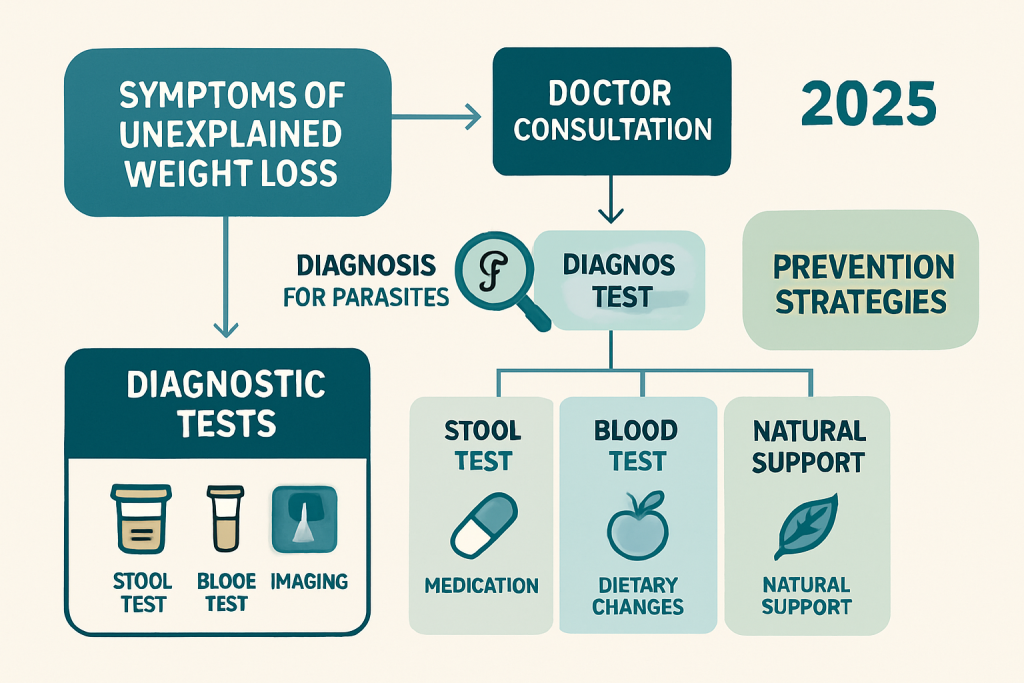
Diagnosing parasitic infections, particularly those contributing to parasites and unexplained weight loss in adults, often requires a multi-pronged approach:
Medical History and Physical Examination: Your doctor will start by asking detailed questions about your symptoms, travel history, dietary habits, and any potential exposures to contaminated food or water. A physical exam can help identify signs like abdominal tenderness, dehydration, or anemia.
Stool Tests (Ova and Parasite Exam): This is the most common and crucial diagnostic test. Several stool samples, collected over a few days, are often required because parasites and their eggs (ova) are not shed consistently. Laboratory technicians examine these samples under a microscope to identify parasite eggs, larvae, or adult worms. Advanced molecular tests like PCR (polymerase chain reaction) can also be used to detect parasitic DNA in stool samples, offering higher sensitivity for certain organisms.
Blood Tests:
- Complete Blood Count (CBC): Can reveal anemia (low red blood cells) due to blood loss or nutrient malabsorption. It might also show an increase in eosinophils, a type of white blood cell, which is often elevated during parasitic infections.
- Serology Tests: These tests look for antibodies the body produces in response to a parasitic infection. They can be particularly useful for diagnosing parasites that don’t primarily reside in the gut or when stool tests are inconclusive.
- Nutrient Levels: Blood tests can also assess levels of essential vitamins and minerals (e.g., iron, B12, Vitamin D) to identify deficiencies caused by malabsorption.
- Endoscopy or Colonoscopy: In some cases, if other tests are inconclusive or if the doctor suspects parasites are located in specific areas of the digestive tract, an endoscopy (examining the upper digestive tract) or colonoscopy (examining the large intestine) may be performed. Biopsies of the intestinal lining can also be taken and examined for parasites.
- Imaging Studies: Rarely, for certain types of parasites that might form cysts in organs outside the intestines (e.g., liver, brain), imaging tests like CT scans, MRIs, or ultrasounds might be used.
Treatment Approaches
Once a parasitic infection is diagnosed, treatment typically involves medication prescribed by a healthcare professional. The specific medication and duration of treatment will depend on the type of parasite identified.
Anti-parasitic Medications:
- Anthelmintics: These drugs are used to treat helminth (worm) infections. Examples include albendazole, mebendazole, and praziquantel. They work by either paralyzing the worms, preventing them from absorbing glucose, or damaging their outer layer, leading to their expulsion from the body.
- Antiprotozoal Medications: These target single-celled parasites like Giardia or Cryptosporidium. Metronidazole, tinidazole, and nitazoxanide are common examples. These drugs often interfere with the parasite’s DNA synthesis or cellular processes.
Supportive Care:
- Hydration: Especially important if diarrhea is a prominent symptom, to prevent dehydration.
- Nutritional Support: Addressing any nutrient deficiencies identified through blood tests is crucial. This may involve supplements and dietary adjustments. Working with a nutritionist can be beneficial.
- Symptom Management: Medications to relieve abdominal pain, nausea, or other discomforts may be prescribed.
- Dietary and Lifestyle Adjustments: While not a cure on their own, certain dietary and lifestyle changes can support recovery and help the body fight off infection more effectively. A diet rich in fiber, fresh fruits, vegetables, and lean proteins can aid gut healing and strengthen the immune system. Avoiding processed foods, excessive sugar, and potential food sensitivities might also be recommended. For specific dietary guidance, resources like Parasite Cleanse Diet Recipes: Fiber-Rich Meals for Gut Health can be very helpful.
The Role of Natural Approaches
While prescribed medication is often necessary for eradicating parasitic infections, many individuals are interested in natural approaches to support their health during and after treatment. These typically focus on creating an environment in the body that is less hospitable to parasites and strengthening the immune system.
- Herbal Remedies: Certain herbs have historically been used for their anti-parasitic properties. These include wormwood, black walnut hull, clove, and oregano oil. However, it’s vital to use these under the guidance of a knowledgeable healthcare practitioner, as they can have potent effects and interactions. You can learn more about specific remedies in Top 5 Herbs for a Natural Parasite Cleanse.
- Probiotics and Prebiotics: Restoring a healthy balance of gut bacteria is crucial after an infection, especially if antibiotics or anti-parasitic drugs have been used. Probiotics introduce beneficial bacteria, while prebiotics (fiber-rich foods) feed them.
- Detoxification Support: Supporting the liver and other detoxification pathways can help the body process and eliminate toxins released by dying parasites.
It’s important to stress that natural remedies should be viewed as complementary to, not a replacement for, conventional medical treatment, especially in cases of diagnosed parasitic infections causing significant symptoms like unexplained weight loss. Always discuss any natural treatments with your doctor. If you’re considering a more comprehensive approach, exploring a natural parasite cleanse your 2026 step-by-step plan could offer further insights.
What to Expect During and After Treatment
Undergoing treatment for a parasitic infection can sometimes bring about temporary side effects as the parasites die off. These might include increased fatigue, digestive upset, or flu-like symptoms, often referred to as a “die-off” reaction. It’s important to stay in communication with your doctor about any symptoms you experience. For more information on what to anticipate, refer to Parasite Cleanse Side Effects: What to Expect and How to Manage Them.
After successful treatment, most individuals will see a resolution of their symptoms, including a return to a healthy weight. Follow-up stool tests may be necessary to confirm the eradication of the parasite. Recovery can also involve repairing any damage to the gut lining and restoring nutrient levels, which may take some time and continued dietary support. For a comprehensive overview of the transformation you might expect, check out Parasite Cleanse Before and After: What to Expect.
Prevention Strategies in 2026
Preventing parasitic infections is always better than treating them. With global travel, diverse food sources, and environmental factors, remaining vigilant is key. Implementing effective prevention strategies is crucial for avoiding the issues related to parasites and unexplained weight loss in adults.
Food and Water Safety
- Drink Safe Water: Always drink bottled or filtered water when traveling to areas with questionable water quality. If tap water must be consumed, boil it vigorously for at least one minute, or use chemical disinfectants (like iodine or chlorine tablets) or a certified water filter designed to remove parasites. Even in developed countries, well water should be tested regularly.
- Cook Food Thoroughly: Ensure that meat, poultry, and fish are cooked to their recommended internal temperatures to kill any potential parasites. Use a food thermometer.
- Wash Produce: Thoroughly wash all fruits and vegetables, especially if they will be eaten raw. Using a vegetable brush and clean running water is essential. In some high-risk areas, peeling fruits and vegetables is recommended.
- Avoid Cross-Contamination: Use separate cutting boards and utensils for raw meat and produce. Wash hands, cutting boards, dishes, and countertops with hot, soapy water after they come into contact with raw meat, poultry, seafood, or eggs.
- Be Wary of Street Food: While often delicious, street food can pose a higher risk of contamination due to unknown sanitation practices.
Personal Hygiene
- Handwashing: This is arguably the most important prevention method. Wash your hands thoroughly with soap and warm water for at least 20 seconds, especially:
- Before and after handling food.
- After using the toilet.
- After changing diapers.
- After contact with animals or their feces.
- After gardening or any activity involving soil.
- Nail Hygiene: Keep fingernails short and clean, as eggs of some parasites (like pinworms) can accumulate under the nails. Avoid nail-biting.
Environmental Awareness
- Avoid Contaminated Soil: Wear gloves when gardening or working with soil, especially in areas where human or animal feces might be present.
- Proper Waste Disposal: Ensure human and animal waste is disposed of properly to prevent the spread of parasites into the environment.
- Animal Contact: Wash hands thoroughly after handling pets, especially puppies and kittens, which can carry parasites. Do not allow pets to lick your face.
- Swimming Safety: Avoid swimming in natural bodies of water (lakes, ponds, rivers) that may be contaminated with animal or human waste. Check local advisories before swimming.
Travel Precautions
- Research Your Destination: Before traveling, research common parasitic infections in your destination and necessary precautions.
- Traveler’s Diarrhea Prevention: Follow all food and water safety guidelines rigorously. Carry hand sanitizer for situations where soap and water are not available.
- Insect Protection: Use insect repellent and wear protective clothing to prevent bites from mosquitoes, ticks, and other insects that can transmit parasites.
- Footwear: Wear shoes when walking outdoors, especially in areas where the ground may be contaminated with feces, to prevent infections like hookworm that can penetrate the skin.
Maintaining a Strong Immune System
A healthy immune system is your first line of defense against all pathogens, including parasites.
- Balanced Diet: Consume a diet rich in whole foods, fruits, vegetables, and lean proteins to provide essential nutrients for immune function.
- Adequate Sleep: Prioritize 7-9 hours of quality sleep per night.
- Regular Exercise: Engage in moderate physical activity to support overall health.
- Stress Management: Chronic stress can weaken the immune system. Practice stress-reducing techniques like meditation, yoga, or spending time in nature.
By diligently following these prevention strategies, you can significantly reduce your risk of parasitic infections and safeguard your health against concerns like parasites and unexplained weight loss in adults. Staying informed and proactive is your best defense.
Conclusion: Taking Action Against Unexplained Weight Loss in 2026
Unexplained weight loss can be a worrying symptom, signaling that something is not quite right within your body. While numerous health conditions can lead to this, the potential role of parasitic infections should not be overlooked, especially when accompanied by persistent digestive issues, fatigue, and other unsettling symptoms. Understanding the connection between parasites and unexplained weight loss in adults is the first step toward reclaiming your health.
In 2025, with increasing awareness and advancements in diagnostic tools, it’s more important than ever to be proactive about your health. If you are experiencing unexplained weight loss without a clear cause, coupled with any of the digestive, energy, or other symptoms discussed, it is crucial to consult a healthcare professional. Do not delay seeking medical advice.
Here’s how you can take action:
- Consult Your Doctor: Schedule an appointment with your primary care physician. Be prepared to discuss all your symptoms, your recent travel history, dietary habits, and any potential exposures.
- Advocate for Thorough Testing: If you suspect a parasitic infection, discuss the possibility of comprehensive stool tests, blood work, and other relevant diagnostics with your doctor. Be specific about your concerns regarding parasites.
- Follow Medical Advice: If a parasitic infection is diagnosed, adhere strictly to the prescribed treatment plan, including medications and follow-up appointments.
- Support Your Body’s Recovery: During and after treatment, focus on supporting your gut health and overall well-being. This includes a nutrient-rich diet, adequate hydration, and potentially probiotics to restore healthy gut flora. Explore resources like Parasite Cleanse Diet Recipes: Fiber-Rich Meals for Gut Health for ideas.
- Practice Prevention: Implement the prevention strategies discussed, focusing on food and water safety, personal hygiene, and environmental awareness, especially if you travel frequently or have a higher risk of exposure.
- Stay Informed: Continue to educate yourself about health and wellness. Websites like parasitecleanse.org offer a wealth of information on various aspects of parasite awareness and natural health.
Remember, your health is your most valuable asset. Addressing unexplained weight loss promptly and thoroughly is an investment in your long-term well-being. By taking these actionable steps, you can move towards a healthier, more vibrant 2026 and beyond.