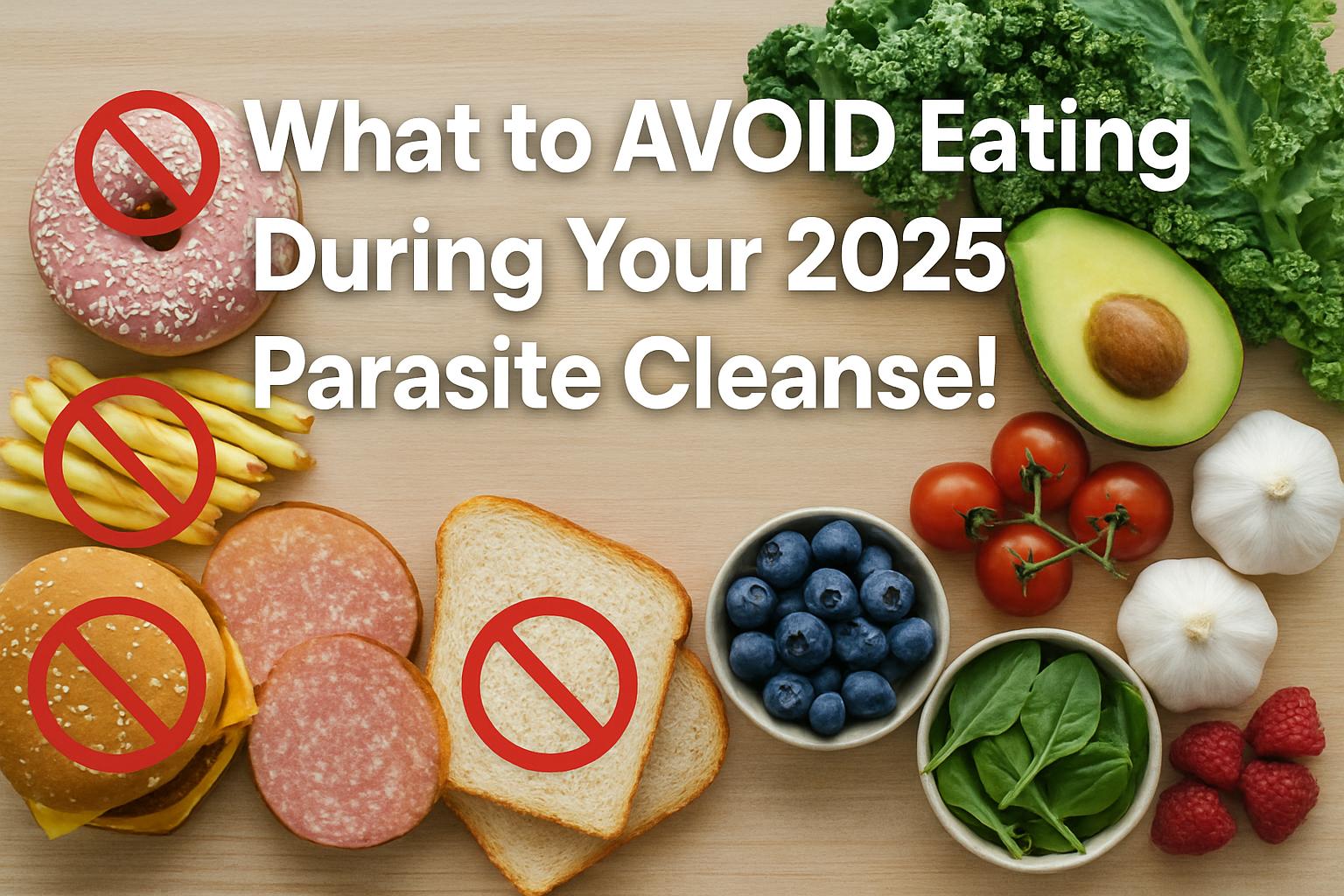
Embarking on a parasite cleanse in 2026 can be a transformative step towards better health, but knowing what to avoid eating during parasite cleanse is just as crucial as knowing what to include. Imagine trying to clean a house while simultaneously tracking in mud – it’s counterproductive! Similarly, consuming certain foods can inadvertently nourish unwelcome guests in your digestive system, making your cleanse less effective or even hindering your progress. This comprehensive guide will illuminate the dietary no-gos, helping you maximize the benefits of your cleanse and pave the way for a healthier gut and a revitalized you.
Understanding the right dietary approach is fundamental to creating an inhospitable environment for parasites, reducing inflammation, and supporting your body’s natural detoxification processes. Whether you’re new to cleansing or looking to refine your approach, mastering this aspect of your cleanse is key to achieving your desired results. Let’s dive into the specifics of what to steer clear of.
Key Takeaways
- Sugar is a Parasite’s Best Friend: Eliminate all forms of refined sugar, high-fructose corn syrup, and artificial sweeteners as they directly feed parasites and can compromise your immune system.
- Processed Foods Offer No Benefits: Ditch highly processed items, refined grains, and unhealthy fats, as they contribute to inflammation, lack nutrients, and create an unhealthy gut environment.
- Dairy and Gluten Can Be Problematic: Many people find dairy and gluten inflammatory and difficult to digest, potentially worsening gut issues and hindering the cleanse. Consider eliminating them.
- Avoid Alcohol and Caffeine: These substances stress your liver, dehydrate your body, and can weaken your immune response, making it harder for your body to fight off parasites.
- Focus on Whole, Unprocessed Foods: Prioritize fresh fruits, vegetables, lean proteins, and healthy fats to nourish your body, support detoxification, and create an environment where parasites struggle to thrive.
Understanding the Enemy: Why Diet Matters When You’re Cleansing
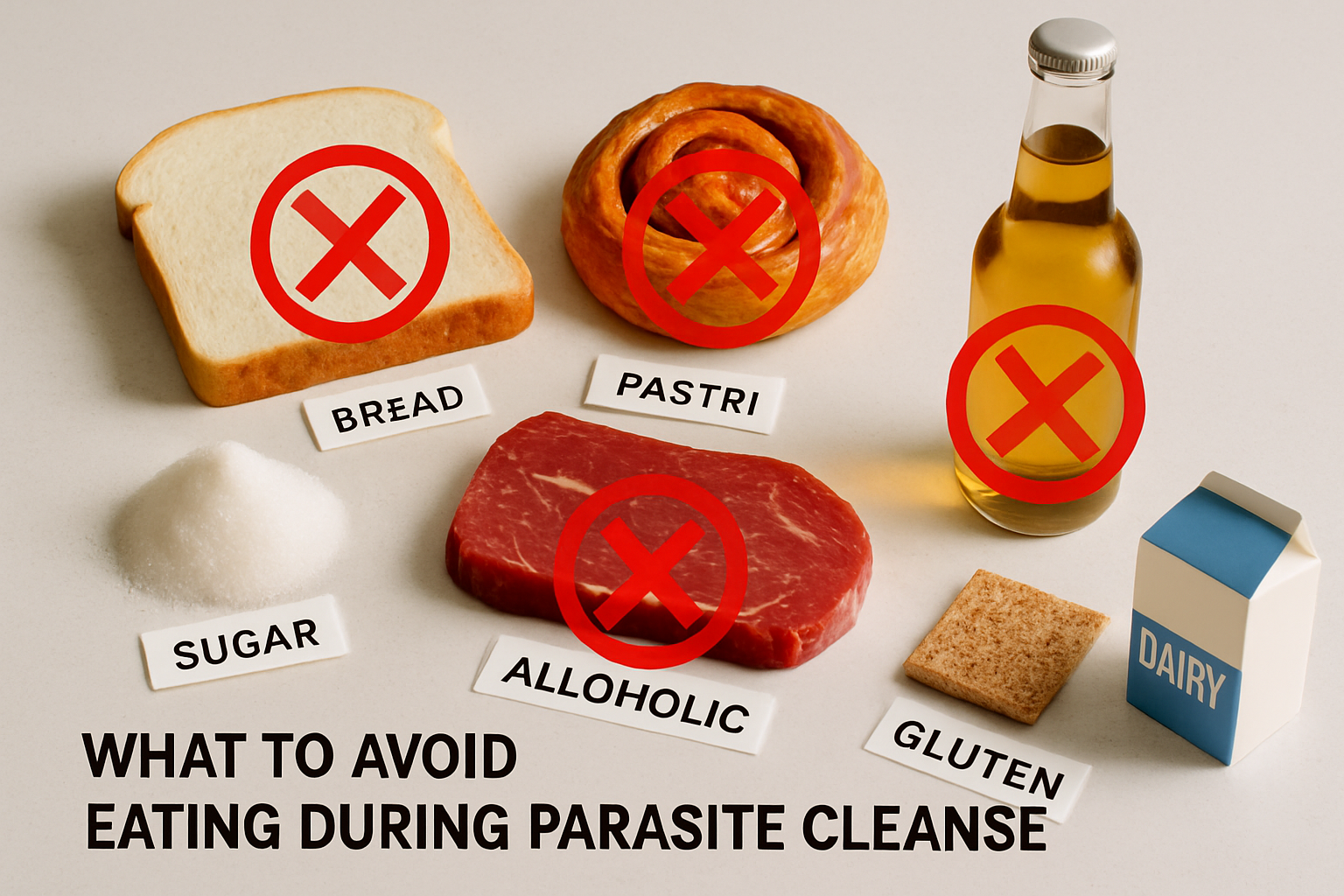
When you commit to a parasite cleanse, you’re essentially launching a comprehensive campaign to evict unwanted tenants from your body. Just like any successful campaign, strategy is everything, and diet plays a starring role. The foods you consume directly impact your internal environment – they can either create a welcoming, nutrient-rich haven for parasites or transform your gut into an inhospitable zone where they struggle to survive and reproduce. Therefore, understanding what to avoid eating during parasite cleanse isn’t just about restriction; it’s about empowerment and strategic nutrition.
Think of it this way: parasites, like all living organisms, need food to survive and thrive. Many common parasites, especially intestinal ones, have a penchant for certain types of nutrients that are abundant in the modern Western diet. By cutting off their primary food sources, you effectively starve them out. Furthermore, many of the foods we love can also contribute to inflammation in the gut, compromise our immune system, and impede our body’s natural detoxification pathways, all of which are counterproductive to a successful cleanse.
A well-executed parasite cleanse in 2026 goes beyond just taking antiparasitic herbs or supplements. It’s about a holistic approach that includes dietary modifications to amplify the effectiveness of your chosen protocol. By removing foods that feed parasites and replacing them with nutrient-dense alternatives, you’re not only weakening the invaders but also strengthening your own body’s defenses, allowing it to heal and restore balance. This targeted dietary approach helps create an environment where parasites cannot flourish, making them more susceptible to the cleansing agents you are using.
The Big Offenders: What to Avoid Eating During Parasite Cleanse
Let’s get down to the specifics. While individual reactions can vary, there’s a consensus among health experts regarding certain food categories that are best avoided during a parasite cleanse. These foods often fuel parasitic growth, contribute to inflammation, or otherwise hinder your body’s healing process. Here’s a detailed breakdown of what to avoid eating during parasite cleanse:
1. Sugar and Sweeteners: The Parasite’s Feast 🍬
If parasites had a favorite meal, it would undoubtedly be sugar. All forms of sugar, including refined sugar, high-fructose corn syrup, artificial sweeteners, and even excessive amounts of natural sugars found in fruits, can fuel parasitic growth and reproduction. Many parasites, bacteria, and yeast (like Candida, which often co-exists with parasites) thrive on sugar.
- Refined Sugars: This includes table sugar, brown sugar, confectionery sugar, and anything made with them – candy, cookies, cakes, pastries, sweetened beverages, etc.
- High-Fructose Corn Syrup (HFCS): Ubiquitous in processed foods, sodas, and many condiments. Always check food labels!
- Artificial Sweeteners: While they don’t contain calories, artificial sweeteners like aspartame, sucralose, and saccharin can still negatively impact gut microbiome balance, which is crucial for a successful cleanse. They can also create cravings for sweet foods, making it harder to stick to your diet.
- Excessive Fruit Sugars: While whole fruits are generally healthy, during a cleanse, it’s wise to limit high-sugar fruits (like bananas, mangoes, grapes) and focus on lower-sugar options like berries and green apples, especially in the initial phases. Fruit juices are a definite no-go due to their concentrated sugar content and lack of fiber.
- Hidden Sugars: Sugar lurks in unexpected places – salad dressings, sauces, yogurts, bread, and even “healthy” snacks. Become a label detective!
Why avoid them?
Sugar creates an acidic environment in the body, suppresses the immune system, and provides direct fuel for parasites. By eliminating sugar, you effectively starve the parasites, making them weaker and more vulnerable to your cleansing efforts. It’s one of the most impactful changes you can make when considering your diet for a natural parasite cleanse.
2. Processed Foods and Refined Grains: Empty Calories, Big Problems 🍞🍟
The modern diet is laden with highly processed foods and refined grains, which are generally devoid of essential nutrients and fiber. These items contribute to systemic inflammation and can severely undermine your cleansing efforts.
- Processed Foods: Packaged snacks, fast food, frozen meals, microwave dinners, and anything with a long list of unpronounceable ingredients. These foods often contain unhealthy trans fats, artificial colors, preservatives, and a cocktail of chemicals that burden your liver and digestive system.
- Refined Grains: White bread, white pasta, white rice, breakfast cereals (especially sugary ones), and products made with white flour. These grains have been stripped of their fiber and nutrients, leaving behind simple carbohydrates that act much like sugar in the body.
- Unhealthy Fats: Hydrogenated oils, trans fats, and highly refined vegetable oils (like corn, soybean, and canola oil) found in many processed snacks, fried foods, and spreads. These fats promote inflammation throughout the body.
Why avoid them?
Processed foods offer little to no nutritional value while taxing your digestive system. Refined grains are quickly broken down into sugar, feeding parasites. Unhealthy fats contribute to inflammation, making it harder for your body to heal and detoxify. Choosing whole, unprocessed alternatives is crucial for supporting your body’s natural healing mechanisms. If you’re looking for parasite cleanse diet recipes, you’ll notice a strong emphasis on whole foods.
3. Dairy Products: Inflammatory and Mucus-Forming 🥛🧀
For many individuals, dairy products can be inflammatory and mucus-forming, particularly during a cleanse when the goal is to reduce inflammation and promote clear detoxification pathways.
- Milk, Cheese, Yogurt, Ice Cream, Butter (unless clarified ghee): All forms of conventional dairy products derived from cows, goats, or sheep.
Why avoid them?
Dairy proteins (like casein) and sugars (lactose) can be difficult for some people to digest, leading to gut irritation, increased mucus production, and an inflamed environment that parasites might favor. The inflammatory response can also divert energy away from your immune system’s primary task of fighting off parasites. While some people tolerate dairy well, during a cleanse, it’s generally safer to eliminate it to give your digestive system a break and reduce potential inflammatory triggers. Explore sample pages on gut health for more insights.
4. Gluten-Containing Grains: Gut Irritants for Many 🌾🥖
Similar to dairy, gluten, a protein found in wheat, barley, rye, and triticale, can be a significant gut irritant for many people, even those without diagnosed celiac disease.
- Wheat (and all its forms like spelt, kamut), Barley, Rye: This includes most conventional breads, pastas, cereals, and baked goods.
Why avoid them?
Gluten can increase gut permeability (often called “leaky gut”), allowing undigested food particles and toxins to enter the bloodstream, triggering an immune response and inflammation. An inflamed, “leaky” gut provides a less-than-ideal environment for detoxification and healing, potentially making it harder to eliminate parasites. Even if you don’t have a severe gluten sensitivity, removing it during a cleanse can significantly reduce digestive stress and improve overall gut health.
5. Alcohol: Liver Burden and Immune Suppressant 🍷🍺
Alcohol puts a direct strain on your liver, which is one of your body’s primary detoxification organs. During a parasite cleanse, your liver is already working overtime to process and eliminate toxins released by dying parasites.
- All alcoholic beverages: Beer, wine, spirits, cocktails.
Why avoid them?
Alcohol interferes with your body’s ability to properly detoxify, making the cleanse less effective. It can also suppress your immune system, making you more vulnerable and less able to fight off infections. Furthermore, many alcoholic beverages contain sugars and yeasts, which can further fuel parasitic growth. Giving your liver a complete break from alcohol is paramount for an effective cleanse. Learn more about managing parasite cleanse side effects which can be exacerbated by alcohol.
6. Caffeine: Dehydrating and Stress-Inducing ☕🍫
While coffee might be a daily ritual for many, it’s generally recommended to significantly reduce or eliminate caffeine during a parasite cleanse.
- Coffee, Black Tea, Green Tea (high amounts), Energy Drinks, Chocolate (processed): Any beverage or food with a significant caffeine content.
Why avoid them?
Caffeine is a stimulant that can put stress on your adrenal glands and contribute to dehydration. During a cleanse, your body needs all its resources focused on healing and detoxification, not on managing the ups and downs of caffeine. While some advocate for very mild green tea, complete elimination of high-caffeine sources is often recommended to support the nervous system, improve sleep, and aid overall detoxification.
7. Pork and Shellfish: Potential Contaminants and Heavy to Digest 🍖🍤
These food groups are often highlighted for avoidance during cleanses, not just for parasites but for general detoxification protocols.
- Pork: Bacon, ham, sausages, pork chops, etc.
- Shellfish: Shrimp, crab, lobster, mussels, clams, oysters.
Why avoid them?
Pork is often considered more difficult to digest and can sometimes contain parasites itself (though proper cooking greatly reduces this risk, the aim of a cleanse is to eliminate all potential risks). Shellfish, being filter feeders, can accumulate toxins and heavy metals from their environment, which could add to your body’s toxic burden rather than reduce it during a cleanse. Opting for cleaner, easier-to-digest protein sources like organic chicken, wild-caught fish (not shellfish), and plant-based proteins is a safer bet.
The ‘Why’ Behind the No-Gos: How These Foods Hinder Your Cleanse in 2026
Understanding what to avoid eating during parasite cleanse is one thing, but knowing why these foods are problematic is key to fully committing to your dietary changes. It’s not about arbitrary restrictions; it’s about strategically creating an environment where parasites can’t thrive, and your body can heal. In 2026, with increasing awareness around gut health, this knowledge is more important than ever.
The foods listed above don’t just sit innocently in your stomach; they actively impact your internal ecosystem in ways that can either support or sabotage your parasite cleanse. Let’s delve into the mechanisms behind these detrimental effects.
1. Feeding the Enemy: Nutrient Sources for Parasites
Many parasites are opportunistic and will happily consume the same nutrients your body needs. The foods we’ve identified as problematic are often rich in simple carbohydrates (sugars and refined grains) and offer little in the way of beneficial fiber or vital micronutrients.
- Sugar Overload: Parasites, yeast, and undesirable bacteria absolutely love sugar. When you consume sugary foods or refined carbohydrates, you’re essentially laying out a buffet for these unwanted guests. This provides them with the energy they need to grow, reproduce, and strengthen their hold in your body, making your antiparasitic herbs or medications less effective. Cutting out sugar is a foundational step in any effective cleanse, including the 2025 step-by-step plan for a natural parasite cleanse.
- Lack of Fiber: Processed foods and refined grains are often stripped of their natural fiber content. Fiber is crucial for healthy digestion, bowel regularity, and sweeping toxins and dead parasites out of the body. Without adequate fiber, waste can linger, allowing parasites more time to embed themselves and reabsorb toxins.
2. Promoting Inflammation: Creating an Unhealthy Gut Environment
Inflammation is your body’s natural response to injury or infection, but chronic inflammation, especially in the gut, can severely impede healing and immunity. Many of the foods to avoid are significant inflammatory triggers.
- Gut Irritation: Gluten and dairy, for many individuals, can irritate the delicate lining of the gut. This irritation can lead to increased gut permeability (leaky gut), where the tight junctions between intestinal cells loosen, allowing undigested food particles, toxins, and even parasitic byproducts to leak into the bloodstream. This triggers a systemic immune response, diverting energy away from fighting the parasites.
- Systemic Inflammation: Unhealthy fats (trans fats, refined vegetable oils) and excessive sugar can promote widespread inflammation throughout the body. Chronic inflammation weakens your immune system, making it less effective at identifying and eradicating parasites. A body constantly battling inflammation has fewer resources to dedicate to a successful cleanse.
3. Burdening Detoxification Organs: Overworked and Underperforming
Your liver and kidneys are the primary organs responsible for filtering toxins from your blood and preparing them for elimination. During a parasite cleanse, these organs are already working extra hard to process the toxins released as parasites die off.
- Liver Strain: Alcohol is a direct hepatotoxin, meaning it’s toxic to the liver. Even in moderate amounts, it forces your liver to prioritize alcohol metabolism over other crucial detoxification processes. During a cleanse, this added burden is counterproductive.
- Kidney Overload: Processed foods, artificial additives, and excessive protein (especially from conventionally raised meats) can place additional strain on your kidneys. Ensuring these organs are functioning optimally is vital for efficient waste removal during a cleanse.
4. Suppressing the Immune System: Weakening Your Defenses
A robust immune system is your best ally in fighting off parasites and preventing future infections. Unfortunately, many common dietary choices can suppress immune function.
- Sugar’s Impact: High sugar intake has been shown to temporarily suppress white blood cell activity, making your immune cells less effective at identifying and destroying pathogens, including parasites.
- Nutrient Deficiencies: Processed foods offer “empty calories” – they provide energy but lack the essential vitamins, minerals, and antioxidants needed for a strong immune system. When your body is deprived of these crucial nutrients, its ability to fight off invaders is compromised.
- Disrupting the Microbiome: Artificial sweeteners, antibiotics (sometimes found in conventionally raised meats), and a diet low in fiber can disrupt the delicate balance of your gut microbiome. A healthy microbiome is critical for immune function, as a significant portion of your immune system resides in your gut. An imbalanced microbiome can allow parasites to flourish and make it harder for beneficial bacteria to compete. For more information on overall gut health and parasite cleanse, consider visiting parasitecleanse.org.
5. Hindering Bowel Regularity: Trapping Toxins
Efficient waste elimination is paramount during a parasite cleanse. If bowel movements are sluggish, toxins and dead parasites can linger in the colon, leading to reabsorption and making you feel worse.
- Lack of Fiber: As mentioned, processed foods and refined grains are low in fiber, which is essential for healthy stool formation and movement through the digestive tract.
- Dehydration: Caffeine and alcohol can contribute to dehydration, which stiffens stool and makes bowel movements more difficult. Adequate hydration is critical for ensuring smooth elimination during your cleanse.
By understanding these “whys,” you’re not just following a list of rules; you’re making informed choices that actively support your body’s efforts to heal, detoxify, and ultimately, eliminate parasites. This conscious dietary strategy in 2025 will significantly enhance the effectiveness of your parasite cleanse. It helps you anticipate and manage what to expect during a parasite cleanse.
What to Eat Instead: Building a Supportive Diet for Your 2026 Cleanse
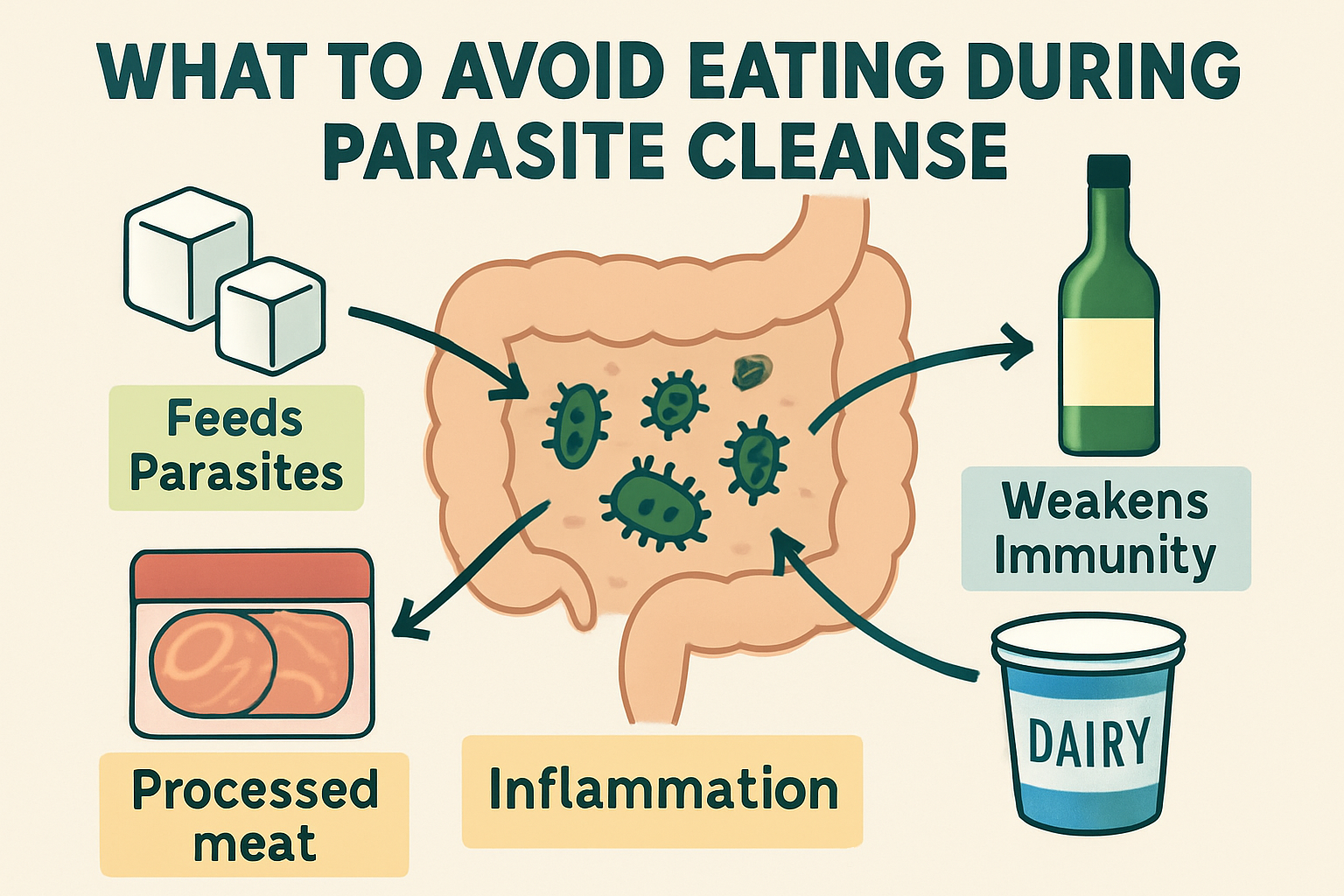
Now that you know what to avoid eating during parasite cleanse, let’s shift our focus to what you should eat. A successful cleanse isn’t just about deprivation; it’s about nourishing your body with foods that support detoxification, boost your immune system, and create an environment where parasites can’t thrive. The right diet amplifies the effects of any antiparasitic herbs you might be taking and aids in your body’s healing process.
Here’s a snapshot of the types of foods you should embrace during your 2026 parasite cleanse:
- Plenty of Fresh Vegetables: Especially leafy greens, cruciferous vegetables (broccoli, cauliflower, cabbage), garlic, onions, and root vegetables. These are packed with fiber, vitamins, minerals, and potent phytonutrients.
- Certain Fruits in Moderation: Lower-sugar fruits like berries (raspberries, blueberries, blackberries), green apples, and lemons/limes are excellent.
- Healthy Fats: Avocado, olives, olive oil, coconut oil, and seeds (chia, flax, pumpkin) provide essential fatty acids and support overall health. Pumpkin seeds, in particular, are known for their antiparasitic properties.
- Lean, Clean Protein: Opt for organic, grass-fed meats, pastured poultry, and wild-caught, low-mercury fish. Plant-based proteins like lentils, chickpeas (if tolerated), and fermented tofu (tempeh) can also be included.
- Herbs and Spices: Incorporate antiparasitic herbs and spices like garlic, ginger, turmeric, oregano, thyme, and cayenne pepper into your cooking. Learn more about top 5 herbs for a natural parasite cleanse.
- Probiotic-Rich Foods: Fermented foods like sauerkraut, kimchi, and unsweetened coconut yogurt can help restore beneficial gut bacteria, but introduce them slowly to monitor your tolerance.
- Plenty of Water: Hydration is key for flushing toxins. Aim for purified water, herbal teas, and broths.
This supportive diet creates a strong foundation for your cleanse, helping you to feel energized, reduce inflammation, and effectively eliminate parasites.
Practical Tips for Navigating Your Parasite Cleanse Diet in 2026
Embarking on a dietary overhaul can seem daunting, but with a few practical strategies, you can make your parasite cleanse diet enjoyable and sustainable. Remember, this is a temporary but powerful commitment to your health in 2025.
- Plan Ahead: Meal prepping is your best friend. Spend some time each week planning your meals and snacks, and prepare as much as you can in advance. This prevents impulse unhealthy choices when hunger strikes.
- Read Labels Religiously: Sugar and processed ingredients hide everywhere! Become a detective and scrutinize ingredient lists on all packaged foods. Choose whole, single-ingredient foods whenever possible.
- Stay Hydrated: Drink plenty of purified water throughout the day. Add lemon slices or cucumber for flavor. Herbal teas (like peppermint or ginger) can also be very soothing and beneficial.
- Experiment with New Recipes: Don’t let the restrictions bore you. Search for new, exciting recipes that fit your cleanse parameters. There are countless delicious options for gluten-free, dairy-free, and sugar-free meals.
- Listen to Your Body: Pay close attention to how different foods make you feel. While general guidelines are helpful, your body is unique. If a “safe” food seems to cause discomfort, temporarily remove it and reintroduce later.
- Seek Support: Inform your family and close friends about your cleanse so they can support you. Consider joining online communities for shared tips and motivation.
- Consult a Professional: If you’re feeling overwhelmed or have underlying health conditions, consult with a functional medicine doctor, naturopath, or nutritionist. They can provide personalized guidance and ensure your cleanse is safe and effective. For general information, resources like parasitecleanse.org/category/uncategorized/ can be helpful.
By implementing these practical tips, you can navigate your parasite cleanse diet with greater ease and maximize your chances of success.
Conclusion: Empowering Your 2026 Parasite Cleanse with Smart Choices
Embarking on a parasite cleanse in 2026 is a proactive and empowering step towards reclaiming your health and vitality. A critical component of this journey, often underestimated, is understanding and adhering to a strategic diet. Knowing what to avoid eating during parasite cleanse is not just about restriction; it’s about creating an internal environment where unwelcome guests cannot thrive, allowing your body to heal, detoxify, and restore its natural balance.
By consciously eliminating sugars, processed foods, refined grains, unhealthy fats, dairy, gluten, alcohol, and excessive caffeine, you effectively starve parasites, reduce inflammation, lighten the load on your detoxification organs, and strengthen your immune system. This concerted dietary effort works synergistically with any antiparasitic herbs or supplements you may be taking, significantly enhancing the overall effectiveness of your cleanse.
Remember, this dietary shift is a temporary but profound commitment. The discomfort of giving up certain foods pales in comparison to the long-term benefits of a healthier, parasite-free body. Embrace this period as an opportunity to discover new, nourishing foods, cultivate healthier eating habits, and truly listen to what your body needs.
Actionable Next Steps:
- Educate Yourself Further: Continue researching and learning about gut health and parasite cleansing protocols. Resources like the main parasite cleanse website are a great starting point.
- Stock Your Pantry: Go through your pantry and refrigerator, removing all the “avoid” foods. Replace them with nutrient-dense, whole food alternatives.
- Meal Plan for Success: Dedicate time each week to plan your meals and snacks. This proactive approach will reduce stress and prevent unhealthy choices.
- Stay Consistent: Consistency is key. Stick to your dietary guidelines as closely as possible to give your body the best chance to cleanse and heal.
- Consult a Healthcare Professional: Especially if you have chronic health conditions or concerns, always consult with a qualified healthcare provider before starting any new cleanse or dietary regimen. They can offer personalized advice and monitor your progress.
Your 2026 parasite cleanse is an investment in your well-being. By making informed dietary choices, you’re not just avoiding certain foods; you’re actively building a healthier foundation for a vibrant future.