
Are you feeling unusually fatigued, experiencing persistent digestive issues, or simply suspecting that unseen guests might be impacting your well-being? In 2026, more and more individuals are exploring holistic approaches to health, and a natural parasite cleanse has emerged as a topic of significant interest. Parasites are organisms that live off a host, and while the thought of them residing in your body can be unsettling, nature provides powerful remedies to help restore balance. This comprehensive guide will walk you through a step-by-step natural parasite cleanse plan, empowering you with the knowledge and tools to embark on this journey safely and effectively. We’ll delve into the what, why, and how, ensuring you understand each phase of a successful cleanse, focusing on natural methods to support your body’s innate ability to heal.
Key Takeaways
- Understanding Parasites: Learn to identify common symptoms of parasitic infections and recognize why a cleanse might be beneficial for your health.
- Phased Approach: A successful natural parasite cleanse involves distinct preparation, cleansing, and post-cleanse phases for optimal results.
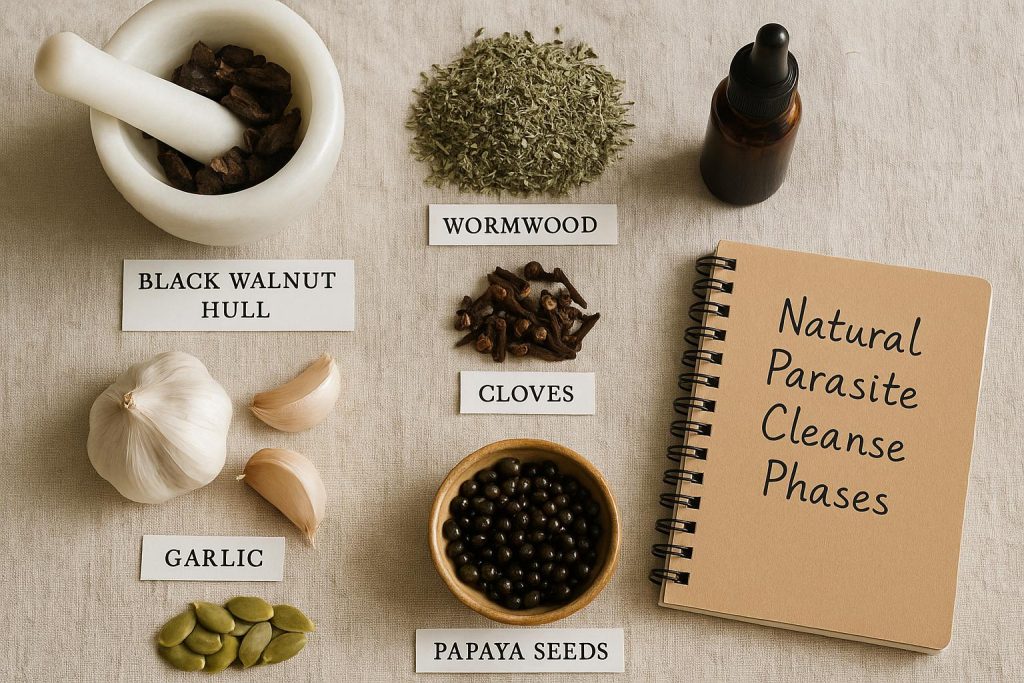
- Potent Herbs & Foods: Discover key anti-parasitic herbs like black walnut, wormwood, and cloves, along with dietary strategies rich in garlic, pumpkin seeds, and papaya seeds.
- Holistic Support: Emphasize the importance of hydration, fiber, probiotics, stress reduction, and adequate sleep for a comprehensive cleanse.
- Professional Guidance: Understand when to consult a healthcare professional, especially if symptoms are severe or persistent.
Understanding the Need for a Natural Parasite Cleanse
The idea of parasites might conjure images from exotic locales, but the reality is they are far more common than many realize, even in Western societies. These unwelcome guests can range from microscopic organisms to larger worms, and they can reside in various parts of the body, including the intestines, liver, and even the blood. While the human body has defense mechanisms, chronic stress, compromised immunity, and certain dietary factors can make individuals more susceptible to parasitic infections.
Symptoms of parasitic infections are often vague and can mimic other conditions, making diagnosis challenging. This is why many people, in 2025, are proactively exploring a natural parasite cleanse as a preventative or supportive measure when experiencing a cluster of these non-specific symptoms.
Common Signs and Symptoms That May Indicate Parasites:
- Digestive Issues: Persistent bloating, gas, diarrhea, constipation, irritable bowel syndrome (IBS)-like symptoms.
- Fatigue and Weakness: Chronic tiredness, low energy levels, even after adequate sleep.
- Skin Problems: Rashes, hives, eczema, unexplained itching.
- Mood Disturbances: Anxiety, depression, irritability, brain fog.
- Sleep Disturbances: Insomnia, grinding teeth during sleep (bruxism), restless sleep.
- Muscle and Joint Pain: Aches, stiffness, and inflammation.
- Weight Changes: Unexplained weight loss or gain, increased appetite without weight gain.
- Anemia: Due to nutrient malabsorption.
- Food Cravings: Especially for sugary foods.
It’s important to note that these symptoms are not exclusive to parasitic infections, and a professional diagnosis is always recommended. However, if you experience several of these persistently, a natural parasite cleanse could be a beneficial strategy to explore in conjunction with professional advice.
Why Choose a Natural Approach?
A natural approach to parasite cleansing focuses on using herbs, dietary changes, and lifestyle adjustments to create an environment in the body that is inhospitable to parasites, while simultaneously supporting overall health. Unlike some pharmaceutical antiparasitic drugs, which can have significant side effects, natural methods tend to be gentler on the body and aim to restore balance rather than merely eradicate.
- Holistic Healing: A natural cleanse addresses the root causes and strengthens the body’s natural defenses.
- Fewer Side Effects: Herbal remedies and dietary changes are generally well-tolerated.
- Nutrient Support: Many anti-parasitic foods are also highly nutritious, supporting overall vitality.
- Accessibility: Many ingredients are readily available at health food stores or even grocery stores in 2025.
However, “natural” does not mean “without effect.” Potent herbs require careful use, and understanding proper dosages and potential interactions is crucial.
Phase 1: Preparation – Laying the Foundation for a Successful Cleanse
Before diving into anti-parasitic herbs, it’s essential to prepare your body. This foundational phase is critical for minimizing potential “die-off” symptoms (Herxheimer reaction), which can occur as parasites are killed and release toxins. A well-prepared body can more effectively eliminate these toxins and ensure a smoother cleansing process.
1. Consult a Healthcare Professional
Even for a natural approach, it’s highly recommended to consult with a doctor, naturopath, or functional medicine practitioner before starting any significant cleanse. They can help rule out other conditions, confirm the presence of parasites (if possible), and offer personalized guidance, especially if you have existing health conditions or are taking medications. This step ensures safety and efficacy.
2. Hydration is Key 💧
Water is vital for detoxification. During a parasite cleanse, your body will be working overtime to flush out toxins and dead parasites. Adequate hydration supports kidney function, bowel regularity, and overall cellular health.
- Goal: Aim for at least 8-10 glasses (2-3 liters) of filtered water daily.
- Enhance: Add lemon slices, cucumber, or a pinch of Himalayan pink salt to mineralize and alkalize the water. Herbal teas, especially dandelion or milk thistle tea, can also support liver function.
3. Dietary Adjustments: What to Reduce and Eliminate
This preparatory phase involves shifting your diet to create an environment less welcoming to parasites and more conducive to healing. Parasites thrive on sugar and processed foods, so cutting these out is paramount.
Foods to Eliminate or Strictly Limit:
- Sugar & Sweeteners: This includes refined sugar, high-fructose corn syrup, artificial sweeteners, and even excessive natural sweeteners like honey and maple syrup. Sugar feeds parasites and weakens the immune system.
- Processed Foods: Fast food, packaged snacks, refined carbohydrates (white bread, pasta), and anything with a long list of ingredients. These foods are low in nutrients and often contain unhealthy fats and additives.
- Dairy Products: Many people find dairy inflammatory and mucus-forming, which can hinder the body’s cleansing processes.
- Gluten: For some individuals, gluten can contribute to gut inflammation, making it harder for the body to heal. Consider a temporary gluten-free diet.
- Alcohol & Caffeine: These can stress the liver and adrenal glands, which are crucial for detoxification and overall energy during a cleanse. Limit coffee and completely avoid alcohol.
- Pork and Shellfish: Some practitioners advise avoiding these due to their higher potential for containing parasites or toxins.
Foods to Emphasize and Incorporate:
Focus on a whole-food, plant-heavy diet rich in nutrients and natural anti-parasitic properties.
- Fresh Fruits & Vegetables: Organic where possible. Emphasize leafy greens, cruciferous vegetables (broccoli, cabbage), carrots, beets, and berries.
- Anti-Parasitic Foods:
- Garlic: Potent anti-fungal, anti-bacterial, and anti-parasitic. Raw is best.
- Onions: Similar properties to garlic.
- Pumpkin Seeds: Contain cucurbitacin, which paralyzes worms. Eat them raw.
- Papaya Seeds: Contain carpaine, an anthelmintic compound. Can be ground and added to smoothies.
- Pineapple: Contains bromelain, an enzyme that can help digest parasites.
- Fermented Foods: Sauerkraut, kimchi, kefir (non-dairy), apple cider vinegar. These support a healthy gut microbiome, which is crucial for fighting off pathogens.
- Spices: Turmeric, ginger, cayenne pepper, oregano, thyme – many have antimicrobial properties.
- Healthy Fats: Avocado, coconut oil, olive oil.
- Lean Protein: Organic chicken, turkey, wild-caught fish (if not eliminating shellfish). Plant-based proteins like lentils and beans.
- Fiber: Crucial for bowel regularity and flushing out dead parasites and toxins. Found in fruits, vegetables, chia seeds, flax seeds.
4. Bowel Regularity: Ensuring Elimination Pathways are Open
Before introducing anti-parasitic herbs, it’s vital to ensure your bowels are moving regularly (at least once daily). If you’re constipated, toxins and dead parasites can get reabsorbed, leading to unpleasant symptoms.
- Strategies: Increase fiber intake, drink plenty of water, and consider natural laxatives like psyllium husk, chia seeds, or magnesium citrate if needed (under professional guidance). Herbal teas like senna or cascara sagrada should be used cautiously and for short periods only.
This preparation phase typically lasts for 1-2 weeks. It allows your body to adjust to dietary changes, establish healthy elimination, and lay a solid foundation for the active cleansing phase.
Phase 2: Active Cleansing – Introducing Anti-Parasitic Herbs and Protocols
Once your body is prepared, you can begin introducing specific anti-parasitic herbs. It’s crucial to use these herbs carefully, following recommended dosages, and often in cycles to ensure efficacy and minimize side effects. A common strategy in 2026 involves using a combination of herbs, as parasites can be resilient.
1. Key Anti-Parasitic Herbs and Their Actions
Many natural parasite cleanse protocols utilize a synergistic blend of herbs that target parasites at different life stages and through various mechanisms.
- Black Walnut Hull (Juglans nigra):
- Action: Contains juglone, a powerful compound toxic to many parasites, fungi, and bacteria. It also oxygenates the blood, which can kill parasites.
- Form: Tincture, capsules.
- Wormwood (Artemisia absinthium):
- Action: Contains thujone, which is highly effective against various worms, particularly roundworms and pinworms. It also stimulates bile production, aiding digestion.
- Form: Tincture, capsules, tea (bitter).
- Caution: Not for long-term use due to thujone content; avoid during pregnancy/breastfeeding.
- Cloves (Syzygium aromaticum):
- Action: Contains eugenol, an antimicrobial agent that can destroy parasite eggs and larvae, preventing reinfection. It’s often used in combination with black walnut and wormwood to target the entire life cycle.
- Form: Powder, essential oil (highly diluted), capsules.
- Oregon Grape Root (Mahonia aquifolium):
- Action: Contains berberine, which has broad-spectrum antimicrobial properties, effective against bacteria, viruses, fungi, and parasites. It also supports liver function.
- Form: Tincture, capsules.
- Barberry (Berberis vulgaris):
- Action: Also rich in berberine, similar actions to Oregon Grape Root.
- Form: Tincture, capsules.
- Grapefruit Seed Extract (GSE):
- Action: A potent broad-spectrum antimicrobial, effective against a wide range of pathogens including bacteria, viruses, fungi, and parasites.
- Form: Liquid concentrate, capsules. Ensure it’s a reputable brand without harmful additives.
- Diatomaceous Earth (Food Grade):
- Action: This fine, fossilized powder has sharp edges that can scratch the exoskeleton of parasites, leading to dehydration and death. It also acts as a gentle detoxifier in the gut.
- Form: Powder. Mix with water.
- Caution: Ensure it is “food grade” and drink plenty of water.
2. Sample Natural Parasite Cleanse Protocols (Duration and Cycling)
A typical active cleansing phase might last 2-4 weeks, often with a break, and then a repeat cycle. This cycling is important because many parasites have life cycles that involve different stages (eggs, larvae, adult worms). A break allows eggs that hatched during the first cycle to be targeted in the second.
General Protocol Example (Always adapt under professional guidance):
- Cycle 1 (2-3 Weeks):
- Herbs: A combination of Black Walnut Hull, Wormwood, and Cloves.
- Dosage: Start with a lower dose and gradually increase to the recommended dose on the product label.
- Daily: Take the herbal combination 2-3 times a day, usually before meals.
- Support: Continue with the supportive diet, hydration, and bowel regularity practices from Phase 1.
- Optional: Add Food Grade Diatomaceous Earth (1 tsp mixed in water daily, increasing to 1 tbsp gradually).
- Break (1-2 Weeks):
- Discontinue anti-parasitic herbs.
- Continue the supportive diet, hydration, and bowel support.
- Focus on rebuilding gut health with probiotics and fermented foods.
- Cycle 2 (2-3 Weeks):
- Repeat the herbal protocol from Cycle 1. This targets any newly hatched eggs or remaining parasites.
Important Considerations during the Active Cleansing Phase:
- Die-Off Symptoms: You may experience temporary symptoms like fatigue, headaches, nausea, or flu-like feelings. This is known as a Herxheimer reaction and indicates that parasites are dying and releasing toxins. Support your body by:
- Increasing water intake.
- Taking binders like activated charcoal or bentonite clay (take 2 hours away from other supplements/medications) to absorb toxins.
- Taking Epsom salt baths to aid detoxification.
- Ensuring regular bowel movements.
- Reducing herbal dosage if symptoms are too severe.
- Probiotics: While on an active cleanse, some experts recommend waiting until the break or post-cleanse phase to introduce high-dose probiotics, as some herbs can be broadly antimicrobial. Others suggest taking them throughout, ensuring they are taken several hours apart from the anti-parasitic herbs. Discuss this with your practitioner.
- Listen to Your Body: Pay close attention to how you feel. If you experience severe or concerning symptoms, stop the cleanse and consult your healthcare provider immediately.
3. Additional Supportive Therapies
Beyond herbs, several other natural practices can enhance the efficacy of your natural parasite cleanse:
- Enzymes: Digestive enzymes can help break down biofilms that parasites often hide within, making them more vulnerable to herbs.
- Castor Oil Packs: Applying castor oil packs to the abdomen can support liver detoxification and lymph flow.
- Colon Hydrotherapy or Enemas: Some individuals choose to incorporate colonics or coffee enemas (under professional guidance) to aid in the physical removal of parasites and toxins from the colon.
Phase 3: Post-Cleanse – Rebuilding and Maintaining Gut Health

Completing the active cleansing phase is a significant achievement, but the journey doesn’t end there. The post-cleanse phase is crucial for rebuilding gut health, strengthening your immune system, and preventing future infections. This phase typically lasts for several weeks to months.
1. Reintroducing Foods Gradually
After the strict dietary restrictions, it’s tempting to revert to old eating habits. However, a slow and mindful reintroduction of foods is vital.
- Start with easily digestible foods: Cooked vegetables, lean proteins, gluten-free grains (rice, quinoa).
- Introduce one new food at a time: Wait a few days to observe any reactions before introducing another. This helps identify potential food sensitivities.
- Continue avoiding known triggers: Sugar, highly processed foods, and excessive alcohol should remain limited long-term.
2. Probiotic Power: Restoring Your Microbiome
The active cleansing phase, even with natural herbs, can impact your beneficial gut bacteria. Replenishing your microbiome is paramount for gut health, digestion, and immunity.
- High-Quality Probiotic Supplement: Choose a reputable brand with multiple strains (e.g., Lactobacillus, Bifidobacterium) and a high CFU count (billions). Take it consistently for several weeks or months.
- Fermented Foods: Regularly incorporate natural fermented foods into your diet:
- Sauerkraut
- Kimchi
- Kefir (dairy or non-dairy options)
- Kombucha (low sugar)
- Miso
3. Prebiotics: Feeding Your Good Bacteria
Prebiotics are non-digestible fibers that feed beneficial gut bacteria. They are just as important as probiotics for a healthy microbiome.
- Sources: Garlic, onions, leeks, asparagus, bananas (slightly green), apples, oats, flaxseeds.
- Supplement: Consider a prebiotic supplement if dietary intake is insufficient.
4. Continued Liver Support
The liver is your body’s primary detoxification organ. Continue to support its function to ensure efficient toxin elimination.
- Herbs: Milk thistle, dandelion root, artichoke extract.
- Foods: Beets, leafy greens, cruciferous vegetables.
- Lifestyle: Adequate sleep, stress reduction.
5. Lifestyle for Long-Term Wellness
Maintaining a healthy lifestyle is the best defense against future parasitic infections and for overall well-being in 2026.
- Stress Management: Chronic stress weakens the immune system, making you more vulnerable. Incorporate practices like meditation, yoga, deep breathing exercises, spending time in nature, or hobbies you enjoy.
- Adequate Sleep: Aim for 7-9 hours of quality sleep per night. Sleep is essential for cellular repair and immune function.
- Regular Exercise: Promotes circulation, lymphatic drainage, and overall vitality.
- Hand Hygiene: Wash hands thoroughly, especially after using the restroom and before eating.
- Food Preparation: Cook meats thoroughly, wash fruits and vegetables well, and be mindful of water sources when traveling.
- Pet Care: If you have pets, ensure they are regularly dewormed by a veterinarian, as some parasites can transmit between humans and animals.
Important Considerations and Potential Side Effects
While a natural parasite cleanse can be highly beneficial, it’s not without its nuances. Being informed about potential challenges and knowing when to seek professional help is crucial.
Who Should Be Cautious or Avoid?
- Pregnant or Breastfeeding Women: Many anti-parasitic herbs are contraindicated.
- Children: Doses and herb choices need careful professional supervision.
- Individuals with Chronic Diseases: Especially liver, kidney, or autoimmune conditions.
- Those on Medications: Herbs can interact with prescription drugs (e.g., blood thinners, immunosuppressants).
- Individuals with Extreme Debilitation or Weight Loss: A cleanse might put undue stress on an already compromised system.
Potential Side Effects
Beyond the common die-off symptoms, some individuals might experience:
- Allergic Reactions: To specific herbs.
- Gastrointestinal Distress: Severe stomach upset, cramping.
- Fatigue: More profound than typical die-off.
- Skin Rashes: Persistent or worsening.
If any side effects are severe or persistent, discontinue the cleanse and consult a healthcare professional.
Sourcing Quality Supplements
The effectiveness and safety of a natural cleanse heavily depend on the quality of your supplements.
- Reputable Brands: Choose brands known for third-party testing, good manufacturing practices (GMP), and transparency about their sourcing.
- Organic/Wild-Crafted: Opt for organic or wild-crafted herbs to avoid pesticides and contaminants.
- Liquid Extracts/Tinctures: Often preferred for better absorption and potency.
Diagnostic Testing
While a natural parasite cleanse is often pursued based on symptomatic indicators, diagnostic testing can offer confirmation and guide treatment.
- Stool Tests: Can identify eggs, cysts, or adult parasites. It’s often recommended to do multiple samples over several days.
- Blood Tests: May detect antibodies to certain parasites.
- Comprehensive Digestive Stool Analysis (CDSA): Provides a broader picture of gut health, including markers for inflammation, maldigestion, and microbial balance, in addition to parasite detection.
Discuss these options with your healthcare provider to determine if they are appropriate for your situation in 2026.
Conclusion: Empowering Your Journey to Optimal Health in 2026
Embarking on a step-by-step natural parasite cleanse plan is a proactive and empowering step towards reclaiming and optimizing your health. By carefully following the preparation, active cleansing, and post-cleanse phases, you can gently yet effectively support your body in expelling unwanted guests and rebuilding a resilient internal environment.
Remember, this is not a quick fix but a holistic journey that involves dietary shifts, strategic herbal support, and crucial lifestyle adjustments. Prioritize hydration, fiber-rich foods, and the powerful duo of probiotics and prebiotics to fortify your gut. Equally important are stress management, adequate sleep, and maintaining impeccable hygiene to prevent future infections.
While the natural approach offers immense benefits, the importance of professional guidance cannot be overstated. Consulting with a healthcare provider ensures safety, addresses individual health needs, and helps navigate the process effectively. Armed with knowledge and a well-structured plan, you are well-equipped to undertake a successful natural parasite cleanse in 2026, paving the way for enhanced vitality and a healthier you.
Natural Parasite Cleanse Herb & Food Selector (2025)
Select the natural anti-parasitic herbs and foods you are interested in, and discover their primary actions. This tool is for informational purposes only; always consult a healthcare professional before starting any cleanse.
Select Herbs to Learn More:
Select Anti-Parasitic Foods:
Selected Herb & Food Actions:
- No items selected yet. Click “Show Selected Actions” to see results.