Your 2025 Guide to Understanding Nighttime Digestive Woes
Ever found yourself waking up in the middle of the night with a distended belly and uncomfortable gas, wondering why your digestive system seems to go into overdrive after dark? You’re not alone. While many factors can contribute to nighttime bloating and gas, one often overlooked culprit that can leave many scratching their heads is parasitic infections. It might sound unsettling, but understanding if parasites can cause bloating and gas at night is a crucial step towards finding relief and better gut health. In this comprehensive guide for 2025, we’ll explore the intricate connection between these unwelcome guests and your nighttime digestive discomfort, offering insights and actionable steps to help you on your journey to feeling better. Let’s unravel this mystery together! 🌙
Key Takeaways
- Parasites Can Cause Nighttime Digestive Issues: Certain parasitic infections can indeed lead to significant bloating and gas, often exacerbated at night due to their metabolic activity or the body’s natural physiological rhythms.
- Symptoms Vary Widely: While bloating and gas are common, parasitic infections can manifest with a range of other symptoms, including fatigue, diarrhea, constipation, abdominal pain, and unexplained weight loss.
- Diagnosis is Key: Self-diagnosis is unreliable. If you suspect a parasitic infection, it’s vital to consult a healthcare professional for accurate testing and diagnosis.
- Treatment Options Exist: Depending on the type of parasite, medical treatments (anthelmintics) and supportive natural approaches are available to eradicate infections and restore gut health.
- Prevention and Gut Health are Paramount: Maintaining good hygiene, safe food practices, and supporting a healthy gut microbiome are essential for preventing parasitic infections and promoting overall digestive well-being.
The Unseen Link: Can Parasites Cause Bloating and Gas at Night?
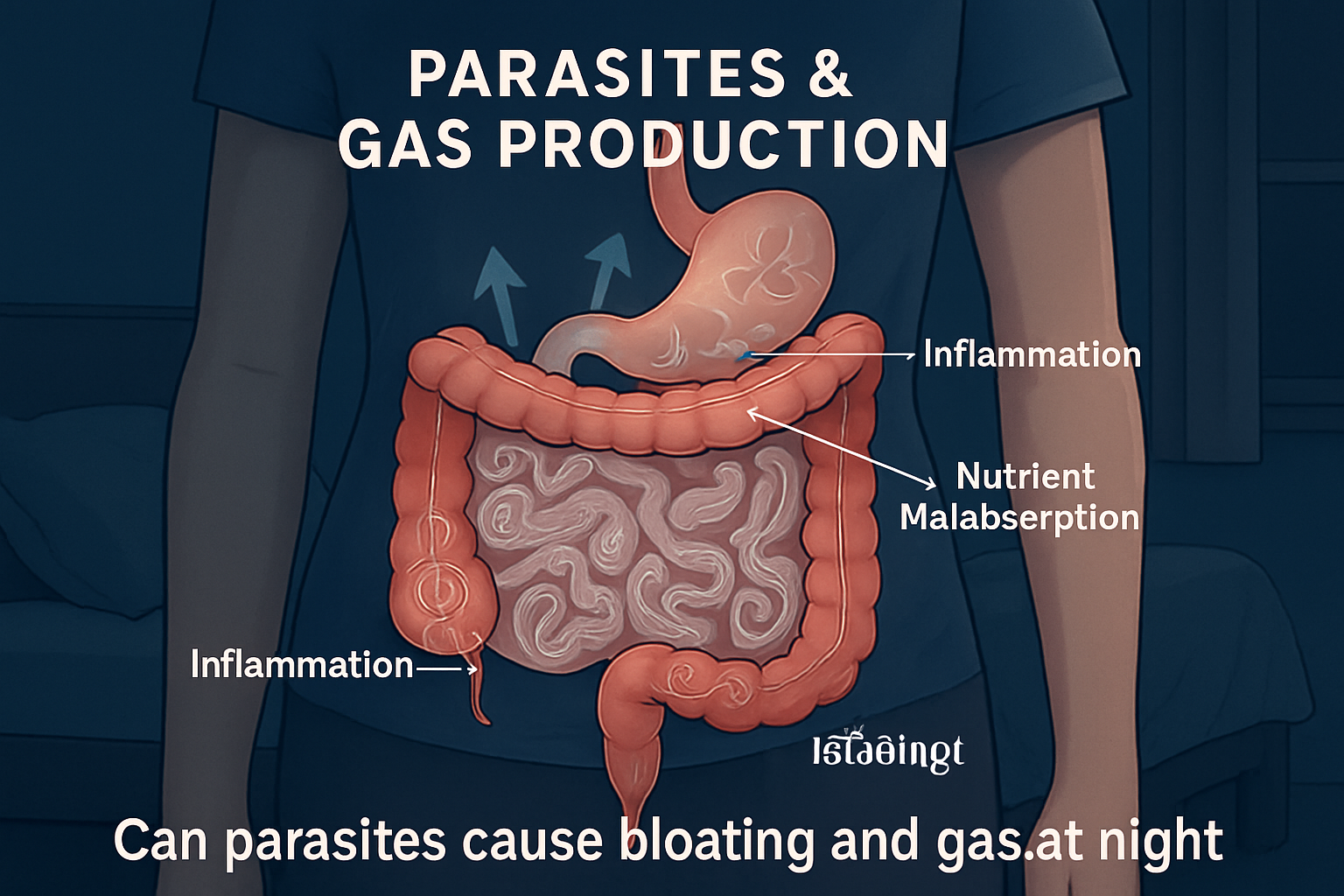
It’s a question that brings many to their search engines late at night: “can parasites cause bloating and gas at night?” The answer is a resounding yes, certain types of parasites can absolutely contribute to and even be the primary cause of these uncomfortable nocturnal symptoms. Our digestive system is a complex ecosystem, and when unwanted organisms take up residence, they can disrupt its delicate balance, leading to a cascade of issues.
Parasites are living organisms that live off another organism, known as the host, to survive. In humans, intestinal parasites are particularly common and can range from microscopic single-celled organisms like Giardia and Cryptosporidium to larger worms such as tapeworms and roundworms. Their presence isn’t always obvious, and symptoms can often mimic other common digestive ailments, making diagnosis a challenge.
How Parasites Disrupt Your Digestive System
When parasites establish themselves in your gut, they don’t just sit there quietly. They actively feed, reproduce, and excrete waste products, all of which can have a profound impact on your digestive health.
1. Inflammation and Irritation:
Many parasites attach to the intestinal lining, causing irritation and inflammation. This inflammation can lead to increased fluid in the intestines and impaired gut motility, both of which contribute to bloating and gas. Imagine a tiny irritant constantly poking at your gut – it’s bound to react!
2. Nutrient Malabsorption:
Parasites often compete with their human host for nutrients. When your body struggles to absorb essential nutrients due to parasitic interference, it can lead to digestive upset. Undigested food particles ferment in the colon, producing excessive gas.
3. Toxin Production:
As parasites feed and metabolize, they produce waste products that are essentially toxins for your body. These toxins can further irritate the gut lining, contribute to systemic inflammation, and disrupt normal digestive functions, exacerbating symptoms like bloating and gas.
4. Disruption of Gut Microbiome:
A healthy gut relies on a balanced community of beneficial bacteria. Parasites can throw this balance off, allowing harmful bacteria to thrive and further contribute to gas production. This dysbiosis (imbalance) can make your gut a less efficient place for digestion.
5. Enzyme Inhibition:
Some parasites can interfere with digestive enzyme production or function. Enzymes are crucial for breaking down food, and without them, food remains undigested, leading to fermentation and gas.
Why Nighttime? The Parasitic Connection to Nocturnal Symptoms
You might be wondering why bloating and gas from parasites often seem worse at night. There are a few theories and observations that shed light on this:
- Parasitic Activity Peaks: Some parasites exhibit increased activity during specific times, and for certain species, this can be at night. As they feed and reproduce more actively, they might produce more waste products and cause greater irritation, leading to more pronounced symptoms.
- Physiological Changes: During sleep, your body’s metabolic rate slows down, and digestive processes also become less active. This slower transit time can allow gas to accumulate more, making bloating and discomfort more noticeable. Additionally, lying down can sometimes make trapped gas feel more pronounced than when you are upright.
- Reduced Distractions: During the day, you’re often busy and distracted. At night, when you’re trying to relax or sleep, even minor discomfort can feel amplified, making you more aware of any bloating or gas.
- Cortisol Levels: Our bodies experience natural fluctuations in hormones like cortisol throughout the day. Some theories suggest that shifts in these hormones at night could influence gut motility and inflammation, potentially making parasitic symptoms more apparent.
Understanding that parasites can cause bloating and gas at night is the first step toward seeking appropriate help. It’s a sign that your digestive system might be under siege, and it’s essential not to dismiss these symptoms.
Common Parasites That Can Cause Bloating and Gas at Night
Several types of intestinal parasites are notorious for causing digestive distress, including bloating and gas. Here’s a look at some of the usual suspects:
1. Giardia Lamblia (Giardiasis)
Giardia is a microscopic parasite that lives in the intestine of infected humans and animals. It’s often contracted through contaminated water or food.
- Symptoms: Giardiasis is well-known for causing persistent diarrhea, greasy stools, abdominal cramps, nausea, and, you guessed it, significant bloating and gas. These symptoms can wax and wane but often become more noticeable or uncomfortable at night.
- Mechanism: Giardia attaches to the lining of the small intestine, impairing nutrient absorption and causing inflammation. This leads to malabsorption, which results in fermentation and increased gas production.
2. Cryptosporidium (Cryptosporidiosis)
Another microscopic parasite, Cryptosporidium, also spreads through contaminated water, often found in swimming pools or untreated drinking water.
- Symptoms: Similar to Giardia, Crypto causes watery diarrhea, stomach cramps, nausea, vomiting, and can lead to severe bloating and gas. While it often resolves on its own in healthy individuals, it can be persistent and severe in those with weakened immune systems.
- Mechanism: Crypto invades the cells lining the small intestine, disrupting their function and leading to inflammation and fluid loss, contributing to digestive upset.
3. Entamoeba Histolytica (Amoebiasis)
This single-celled parasite is more common in tropical and subtropical regions with poor sanitation. It can cause a range of symptoms, from mild to severe.
- Symptoms: Amoebiasis can cause severe diarrhea (often bloody), abdominal pain, fever, and significant bloating and gas. In some cases, it can lead to more serious complications if it spreads outside the intestines.
- Mechanism: Entamoeba histolytica can invade the intestinal lining, causing ulcers and inflammation, which severely impacts digestion and gas regulation.
4. Blastocystis Hominis
Blastocystis hominis is a common single-celled organism found in human intestines. Its role in causing symptoms has been debated, but growing evidence suggests it can be pathogenic for some individuals.
- Symptoms: For those who are symptomatic, Blastocystis hominis can cause irritable bowel syndrome (IBS)-like symptoms, including chronic diarrhea, constipation, abdominal pain, and significant bloating and gas.
- Mechanism: It’s believed to contribute to gut dysbiosis and inflammation, leading to a compromised gut barrier and digestive discomfort.
5. Roundworms (Ascaris Lumbricoides)
While not microscopic, roundworms are a common intestinal parasite, especially in areas with poor sanitation.
- Symptoms: Mild infections might be asymptomatic, but heavier worm burdens can lead to abdominal pain, nausea, vomiting, malnutrition, and noticeable bloating and gas, especially as the worms move within the intestines.
- Mechanism: Large numbers of worms can physically obstruct the intestines, and their presence can cause inflammation and compete for nutrients.
6. Hookworms (Ancylostoma Duodenale, Necator Americanus)
Hookworms are parasitic roundworms that are typically contracted through skin contact with contaminated soil.
- Symptoms: Hookworm infections are often associated with iron-deficiency anemia due to blood loss, but they can also cause abdominal pain, appetite loss, fatigue, and digestive upset including bloating and gas.
- Mechanism: These worms attach to the intestinal wall and feed on blood, causing irritation and inflammation.
7. Tapeworms (Taenia Saginata, Taenia Solium, Diphyllobothrium Latum)
Tapeworms are long, flat worms that can be contracted by eating undercooked meat (beef, pork, fish) containing larval cysts.
- Symptoms: Many tapeworm infections are asymptomatic, but some individuals may experience abdominal pain, nausea, diarrhea, weight loss, and, yes, bloating and gas. Segments of the worm may also be seen in stool.
- Mechanism: The presence of a large foreign body in the intestine can cause physical discomfort and compete for nutrients.
These are just some of the more common culprits. The key takeaway is that if you’re experiencing persistent or unexplained digestive issues, especially if they worsen at night and you’ve ruled out more common causes, considering parasitic infection is a valid step. For more insights into how to tackle these unwelcome guests, consider exploring a natural parasite cleanse.
Beyond Parasites: Other Causes of Nighttime Bloating and Gas
While the focus of this article is “can parasites cause bloating and gas at night,” it’s important to remember that many other factors can contribute to these uncomfortable symptoms. A holistic approach to understanding your digestive health means considering all possibilities.
1. Diet and Food Choices 🍎
What you eat, especially in the evening, plays a massive role in how your gut behaves at night.
- High-Fiber Foods: While fiber is good, eating large amounts of certain high-fiber foods (like beans, lentils, broccoli, or whole grains) close to bedtime can lead to increased gas production as bacteria break them down.
- Fatty Foods: Rich, fatty meals take longer to digest, potentially leading to indigestion, bloating, and gas that lingers into the night.
- Carbonated Drinks: Soda and sparkling water introduce air into your digestive system, which can cause bloating.
- Artificial Sweeteners: Sugar alcohols (sorbitol, xylitol) found in diet foods can be difficult to digest and lead to gas and bloating.
- Food Intolerances: Lactose intolerance (dairy), gluten sensitivity, or FODMAPs (Fermentable Oligosaccharides, Disaccharides, Monosaccharides, and Polyols) in certain fruits, vegetables, and grains can all trigger significant bloating and gas.
2. Eating Habits 🍽️
How you eat is almost as important as what you eat.
- Eating Too Quickly: Swallowing air while eating rapidly can lead to gas.
- Eating Late at Night: Your digestive system slows down as you prepare for sleep. Eating a large meal just before bed means your body has to work harder when it should be resting, leading to indigestion, bloating, and gas.
- Stress Eating: Stress can significantly impact digestion, often leading to symptoms like bloating.
3. Medical Conditions (Non-Parasitic) ⚕️
Several medical conditions can mimic parasitic symptoms, making proper diagnosis crucial.
- Irritable Bowel Syndrome (IBS): A common disorder that affects the large intestine, causing cramping, abdominal pain, bloating, gas, diarrhea, or constipation. Symptoms often worsen at night or during stressful periods.
- Small Intestinal Bacterial Overgrowth (SIBO): An excess of bacteria in the small intestine, where they normally aren’t in large numbers. These bacteria ferment food, producing gas, bloating, and pain.
- GERD (Gastroesophageal Reflux Disease): While primarily heartburn, acid reflux can sometimes present with bloating and upper abdominal discomfort.
- Constipation: Infrequent bowel movements mean stool and gas can accumulate in the colon, leading to bloating and discomfort.
- Inflammatory Bowel Disease (IBD): Conditions like Crohn’s disease and ulcerative colitis cause chronic inflammation of the digestive tract, leading to a host of symptoms including severe bloating, gas, pain, and diarrhea.
- Celiac Disease: An autoimmune disorder where consuming gluten leads to damage in the small intestine, causing malabsorption, bloating, and other digestive issues.
4. Lifestyle Factors 🏃♀️
Your daily habits also play a role.
- Lack of Physical Activity: Regular movement helps stimulate digestion and move gas through the system.
- Stress and Anxiety: The gut-brain axis is powerful. Stress can alter gut motility, increase sensitivity to gas, and contribute to bloating.
- Medications: Some medications can cause digestive side effects, including bloating and gas.
Understanding the full spectrum of possibilities helps narrow down the true cause of your nighttime discomfort. If you’ve been grappling with persistent digestive issues, especially if they’re severe or worsening, consulting a healthcare professional is always the best course of action. They can help differentiate between these causes and determine if parasites are indeed the issue, possibly suggesting steps like a natural parasite cleanse if appropriate.
Diagnosing a Parasitic Infection: What to Expect
If you suspect that parasites can cause bloating and gas at night for you, seeking a professional diagnosis is the most critical step. Self-diagnosing based on symptoms alone is unreliable because many parasitic symptoms overlap with other digestive conditions.
When to See a Doctor 👨⚕️
It’s advisable to consult your doctor if you experience:
- Persistent or severe bloating and gas, especially at night.
- Unexplained weight loss.
- Chronic diarrhea or constipation.
- Abdominal pain or cramps.
- Fatigue or weakness.
- Nausea or vomiting.
- Fever (in some cases).
- Any unusual or concerning digestive symptoms, particularly if you’ve traveled recently or had exposure to contaminated food or water.
The Diagnostic Process 🧪
Your doctor will likely start with a thorough medical history and physical examination. They will ask about your symptoms, diet, travel history, and any recent exposures.
1. Stool Test (Ova and Parasites – O&P):
This is the most common and definitive test for intestinal parasites. You will be asked to provide stool samples over several days (usually 3) because parasites may not be shed consistently. The lab then examines these samples under a microscope to look for:
- Ova: Eggs of parasitic worms.
- Larvae: Immature forms of worms.
- Cysts: Dormant, protective stages of protozoa (single-celled parasites).
- Trophozoites: Active, feeding stages of protozoa.
It’s important to note that a single negative stool test does not always rule out a parasitic infection, as shedding can be intermittent. Your doctor might recommend repeat tests or other diagnostic approaches if suspicion remains high.
2. Blood Tests:
In some cases, blood tests can be used to detect certain parasitic infections:
- Antibody Tests: These tests look for antibodies that your immune system produces in response to a specific parasite.
- Antigen Tests: These detect substances (antigens) produced by the parasite itself.
- Complete Blood Count (CBC): A CBC might reveal an increase in a type of white blood cell called eosinophils, which can be elevated during parasitic infections.
3. Endoscopy or Colonoscopy:
In rare or complex cases, if other tests are inconclusive and symptoms are severe, your doctor might recommend an endoscopy (to view the upper digestive tract) or a colonoscopy (to view the lower digestive tract). During these procedures, tissue biopsies can be taken and examined for parasites or signs of damage.
4. Imaging Tests:
While less common for direct parasite detection in the intestines, imaging tests like X-rays, CT scans, or MRIs might be used to check for complications of parasitic infections, such as blockages or abscesses, particularly if the parasites have migrated outside the gut.
Preparing for Tests
Your doctor will provide specific instructions for preparing for any tests. For stool tests, you may need to avoid certain medications (like antacids, laxatives, or some antibiotics) or supplements for a few days prior, as they can interfere with test results. Always follow your doctor’s advice carefully.
An accurate diagnosis is the cornerstone of effective treatment. Once you have a clear understanding of what’s causing your symptoms, you and your healthcare provider can formulate the best treatment plan.
Treatment Approaches for Parasitic Infections
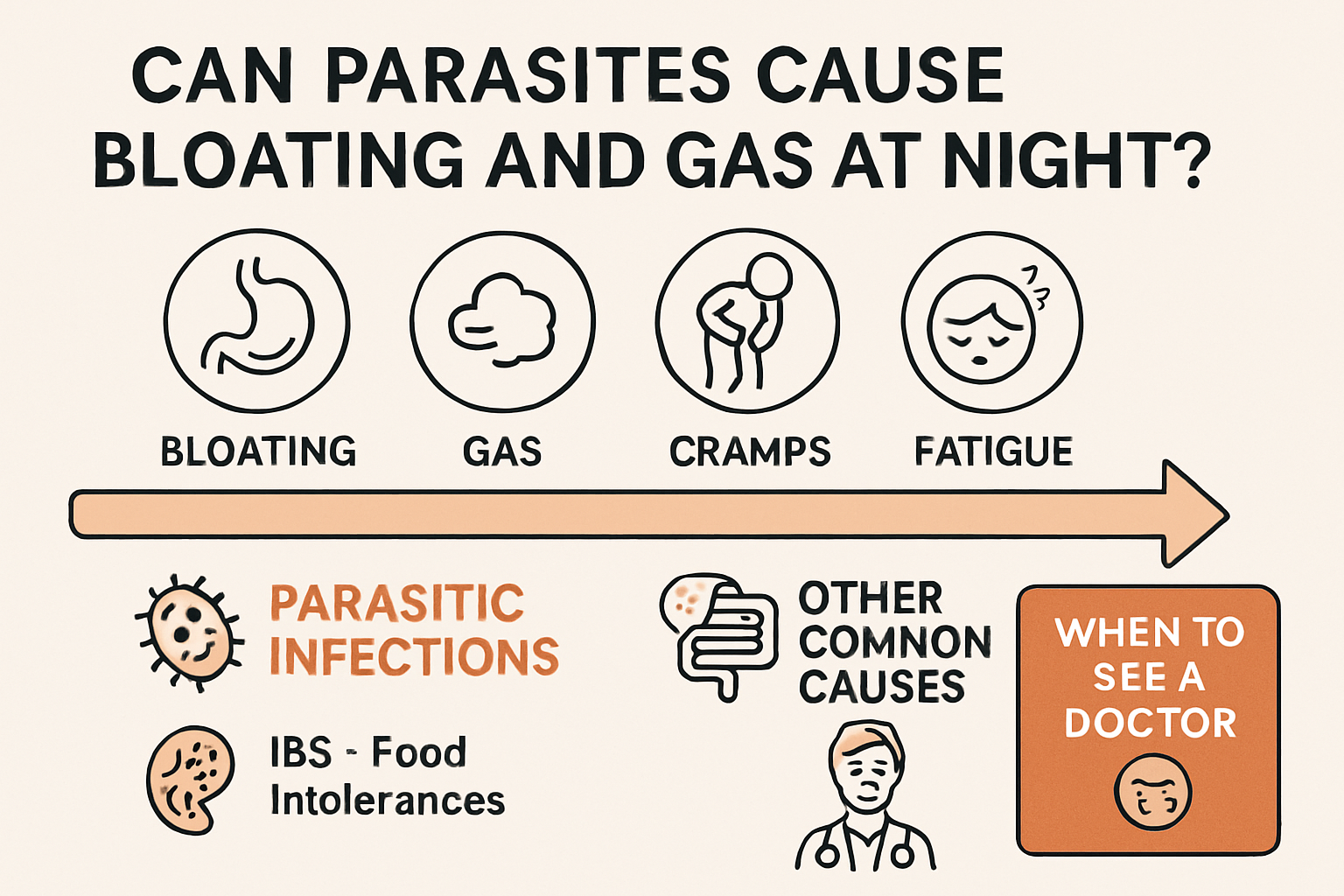
Once a parasitic infection is diagnosed, your healthcare provider will recommend a tailored treatment plan. The approach depends heavily on the type of parasite identified, the severity of the infection, and your overall health.
1. Conventional Medical Treatment (Anthelmintics & Antiparasitics) 💊
The most common treatment for parasitic infections involves prescription medications. These drugs are specifically designed to kill or expel parasites from the body.
- For Protozoan Infections (e.g., Giardia, Entamoeba, Cryptosporidium):
- Metronidazole (Flagyl): A common antibiotic and antiparasitic used for Giardia and Entamoeba.
- Tinidazole (Tindamax): Similar to metronidazole, often used for Giardia and amoebiasis.
- Nitazoxanide (Alinia): Effective against Cryptosporidium and Giardia.
- Paromomycin: An antibiotic that works in the gut to treat amoebiasis.
- For Helminth (Worm) Infections (e.g., Roundworms, Hookworms, Tapeworms):
- Albendazole (Albenza) and Mebendazole (Vermox): Broad-spectrum dewormers effective against many types of roundworms, hookworms, and whipworms.
- Praziquantel (Biltricide): Used to treat tapeworm and fluke infections.
- Ivermectin: Effective against certain roundworms.
Important Considerations:
- Dosage and Duration: It’s crucial to complete the entire course of medication as prescribed, even if you start feeling better. Stopping early can lead to incomplete eradication and recurrence of infection.
- Side Effects: Like all medications, antiparasitics can have side effects, which may include nausea, abdominal pain, diarrhea, and dizziness. Your doctor will discuss these with you.
- Monitoring: Follow-up stool tests may be recommended after treatment to ensure the parasites have been successfully eliminated.
2. Supportive Care 💧
While medication tackles the parasite, supportive care helps manage symptoms and promotes healing of the gut.
- Hydration: Diarrhea can lead to dehydration, so drinking plenty of fluids is essential.
- Rest: Your body needs energy to fight off infection and heal.
- Nutrient Support: Focusing on easily digestible, nutrient-rich foods can help your body recover. Sometimes, temporary dietary adjustments (e.g., avoiding dairy, gluten, or high-FODMAP foods) might be recommended to reduce gut irritation.
- Probiotics: After a course of antibiotics or antiparasitics, the gut microbiome can be disrupted. Introducing beneficial bacteria through probiotics can help restore balance and support gut health.
3. Natural and Complementary Approaches (Under Guidance) 🌿
Many individuals are interested in natural approaches to support their gut health and potentially aid in parasite expulsion. It’s critical to discuss any natural remedies with your healthcare provider, as some herbs or supplements can interact with medications or have their own side effects. You can learn more about top 5 herbs for a natural parasite cleanse.
Some natural agents that are often discussed in the context of parasite cleansing include:
- Garlic: Known for its antimicrobial properties.
- Black Walnut Hull: Traditionally used as an antiparasitic.
- Wormwood: A powerful herb, but should be used cautiously and under expert guidance.
- Clove: Often used alongside wormwood and black walnut.
- Oregon Grape Root/Berberine: Possesses antimicrobial properties.
- Pumpkin Seeds: Contains compounds that may paralyze certain worms.
- Diatomaceous Earth: A natural substance sometimes used for its abrasive qualities to help remove parasites.
For those interested in exploring these options, resources like parasitecleanse.org offer valuable information, but always prioritize professional medical advice. It’s also important to understand parasite cleanse side effects: what to expect and how to manage them before embarking on any cleanse.
4. Dietary Interventions 🥑
A supportive diet is key during and after treatment. Focus on:
- Whole, Unprocessed Foods: Fresh fruits, vegetables, lean proteins, and healthy fats.
- Fiber-Rich Foods: Once the acute symptoms subside, increasing dietary fiber can help regularize bowel movements and support a healthy gut environment. Check out parasite cleanse diet recipes: fiber-rich meals for gut health for ideas.
- Fermented Foods: Foods like sauerkraut, kimchi, and kefir can introduce beneficial bacteria to the gut.
- Avoiding Triggers: Temporarily avoiding sugar, refined carbohydrates, alcohol, and potentially common allergens (dairy, gluten) can reduce gut inflammation and support healing.
Successfully treating a parasitic infection involves a multi-pronged approach: accurate diagnosis, effective medication, and robust supportive care to help your body heal and restore its natural balance.
Preventing Parasitic Infections: A Proactive Approach
Understanding that parasites can cause bloating and gas at night naturally leads to the question: how can I prevent these infections in the first place? Prevention is always better than cure, especially when it comes to intestinal parasites. Here are key strategies to minimize your risk in 2025 and beyond.
1. Practice Excellent Hand Hygiene 👋
This is perhaps the single most effective way to prevent the spread of many parasitic (and other infectious) diseases.
- Wash Hands Frequently: Use soap and warm water for at least 20 seconds, especially after using the bathroom, before and after handling food, after changing diapers, and after contact with animals.
- Use Hand Sanitizer: If soap and water aren’t available, an alcohol-based hand sanitizer with at least 60% alcohol can be a good alternative, though it’s not as effective against all types of germs and parasites.
2. Ensure Food Safety 🥕🍗
Contaminated food is a major source of parasitic infections.
- Cook Foods Thoroughly: Ensure meat, poultry, and fish are cooked to their recommended internal temperatures to kill any parasites or their eggs. Use a food thermometer.
- Wash Fruits and Vegetables: Thoroughly wash all fresh produce under running water, even if you plan to peel it.
- Avoid Cross-Contamination: Use separate cutting boards and utensils for raw meat and produce.
- Safe Water Sources: Drink only treated or bottled water, especially when traveling to areas with questionable water quality. Avoid ice made from untreated water.
- Beware of Raw or Undercooked Foods: Be cautious with sushi, ceviche, raw oysters, and undercooked pork, beef, or wild game, as these can harbor parasites.
- Proper Food Storage: Refrigerate or freeze perishable foods promptly to prevent parasite growth.
3. Safe Water Practices 💧
Water can be a significant vector for parasites like Giardia and Cryptosporidium.
- Boil Water: If you are in an area with unsafe drinking water, boil it vigorously for at least one minute before consumption.
- Filter Water: Use a water filter certified to remove cysts, if boiling is not an option.
- Avoid Contaminated Recreational Water: Be mindful of swimming in lakes, rivers, or untreated pools if you are unsure of the water quality. Avoid swallowing water while swimming.
- Private Wells: If you have a private well, have your water tested regularly.
4. Travel Smart ✈️
Travelers, especially to developing countries, are at higher risk.
- “Boil it, cook it, peel it, or forget it”: This old adage is excellent advice for food safety while traveling.
- Drink Bottled Water: Stick to sealed bottled water and avoid tap water, ice, and unpasteurized dairy.
- Choose Reputable Restaurants: Eat at places with good hygiene standards.
- Personal Hygiene Kit: Carry hand sanitizer, especially when access to soap and water is limited.
5. Pet Care 🐾
Pets can carry and transmit certain parasites to humans.
- Regular Deworming for Pets: Follow your veterinarian’s recommendations for deworming your pets.
- Clean Pet Waste Promptly: Dispose of pet feces safely and regularly, especially in areas where children play.
- Avoid Contact with Feces: Wear gloves when gardening or handling soil where animals may have defecated.
6. Boost Your Gut Health 💪
A healthy gut microbiome can offer some resilience against infections.
- Balanced Diet: Eat a diet rich in whole foods, prebiotics (fiber), and probiotics to support beneficial gut bacteria.
- Limit Sugar and Processed Foods: These can feed harmful bacteria and potentially make your gut more susceptible.
- Manage Stress: Chronic stress can negatively impact gut immunity.
- Regular Exercise: Promotes healthy gut motility and overall well-being.
By adopting these proactive measures, you can significantly reduce your risk of parasitic infections and help ensure your digestive system, including those late-night hours, remains calm and comfortable. If you’re looking for more general health and wellness information, you can also check out our uncategorized content.
Living with and Recovering from Parasitic Infections
Even after successful treatment, the journey to full recovery from a parasitic infection can take time, and managing lingering symptoms is common. Understanding how to support your body’s healing process is crucial for long-term digestive comfort, especially if your concern was “can parasites cause bloating and gas at night.”
1. Post-Treatment Recovery 🌻
While medication eradicates the parasites, it often takes time for your gut to fully heal from the inflammation and damage caused by the infection.
- Gut Lining Repair: The intestinal lining may need time to regenerate and restore its barrier function. This can reduce gut permeability and inflammatory responses.
- Microbiome Restoration: Antiparasitic medications, like antibiotics, can disrupt the beneficial bacteria in your gut. Replenishing these friendly microbes is vital for restoring digestive function and immune health. Consider taking a high-quality probiotic supplement or incorporating fermented foods into your diet.
- Nutrient Repletion: Parasites can lead to nutrient deficiencies due to malabsorption. Focus on a nutrient-dense diet and consider working with a nutritionist to address any specific deficiencies.
- Patience is Key: Don’t expect immediate 100% recovery. Lingering symptoms like occasional bloating, gas, or altered bowel habits can persist for weeks or even months as your gut heals.
2. Managing Lingering Symptoms 🧘♀️
If you continue to experience symptoms like bloating and gas, even after treatment, here are some strategies:
- Dietary Adjustments:
- Elimination Diet: Temporarily remove common triggers like gluten, dairy, soy, corn, and nightshades to see if symptoms improve. Reintroduce them one by one to identify specific culprits.
- Low FODMAP Diet: If SIBO was a co-occurring issue or developed post-infection, a temporary low FODMAP diet might help reduce gas and bloating by limiting fermentable carbohydrates.
- Digestive Enzymes: Consider using digestive enzyme supplements with meals to aid in breaking down food, especially if you have persistent malabsorption.
- Stress Management: The gut-brain axis is powerful. Chronic stress can exacerbate digestive symptoms. Incorporate stress-reducing practices like meditation, yoga, deep breathing exercises, or spending time in nature.
- Hydration: Continue to drink plenty of water to support bowel regularity and overall digestive health.
- Regular Physical Activity: Gentle exercise can stimulate gut motility and help move gas through the digestive system, reducing bloating.
- Herbal Support (Under Guidance): Certain herbs can be soothing for the gut, such as peppermint, ginger, or chamomile tea. Always consult with a healthcare professional before adding new supplements.
3. Lifestyle Adjustments for Long-Term Gut Health 🌱
Beyond specific treatments, adopting a gut-friendly lifestyle is essential for preventing future issues and maintaining digestive wellness in 2025 and beyond.
- Prioritize Sleep: Adequate sleep is crucial for gut repair and overall health. Aim for 7-9 hours of quality sleep per night.
- Mindful Eating: Eat slowly, chew your food thoroughly, and pay attention to your body’s hunger and fullness cues. This helps with digestion and reduces air swallowing.
- Limit Processed Foods, Sugar, and Artificial Sweeteners: These can disrupt the gut microbiome and promote inflammation.
- Stay Vigilant with Hygiene and Food Safety: Continue to practice the preventative measures discussed earlier to avoid re-infection.
- Regular Check-ups: Maintain open communication with your healthcare provider about your digestive health, especially if symptoms return or new ones emerge.
Recovering from a parasitic infection is a process that extends beyond simply taking medication. It involves rebuilding and nurturing your gut health. By focusing on healing, smart dietary choices, and a supportive lifestyle, you can reclaim your digestive comfort and ensure that concerns like “can parasites cause bloating and gas at night” become a thing of the past. If you’re just starting to explore these topics, our sample page offers a general introduction to our site’s content. And for those curious about what to expect on this journey, reading about parasite cleanse before and after: what to expect can be very informative.
Conclusion: Taking Control of Your Nighttime Digestive Health in 2025
The question, “can parasites cause bloating and gas at night,” often arises from a place of persistent discomfort and a search for answers. As we’ve explored, the definitive answer is yes – certain parasitic infections can indeed be a significant cause of nocturnal bloating and gas, along with a range of other unsettling digestive and systemic symptoms. These tiny invaders can inflame your gut, disrupt nutrient absorption, imbalance your microbiome, and ultimately make your nights restless.
Understanding this connection is the first crucial step. By recognizing the potential role of parasites, you empower yourself to seek appropriate medical attention and avoid dismissing these symptoms as just “normal” digestive issues. While other common factors like diet, stress, and various medical conditions can also contribute to nighttime bloating and gas, the unique implications of parasitic infections warrant careful consideration, especially if your symptoms are persistent, severe, or unexplained.
In 2025, taking proactive control of your digestive health means being informed, vigilant, and ready to act. If you suspect a parasitic infection, the most important action you can take is to consult a healthcare professional. A proper diagnosis through stool tests or other relevant screenings is essential for identifying the specific parasite and formulating an effective treatment plan.
Beyond diagnosis and medical treatment, a holistic approach to gut health is paramount for both recovery and prevention. This includes adopting excellent hygiene practices, ensuring food and water safety, making mindful dietary choices, managing stress, and nurturing a healthy gut microbiome. The journey to a calm, comfortable digestive system, free from nighttime discomfort, may require patience and dedication, but with the right knowledge and support, it is absolutely achievable. Don’t let the mystery of nighttime bloating and gas dictate your well-being – take the steps to uncover the truth and reclaim your health.