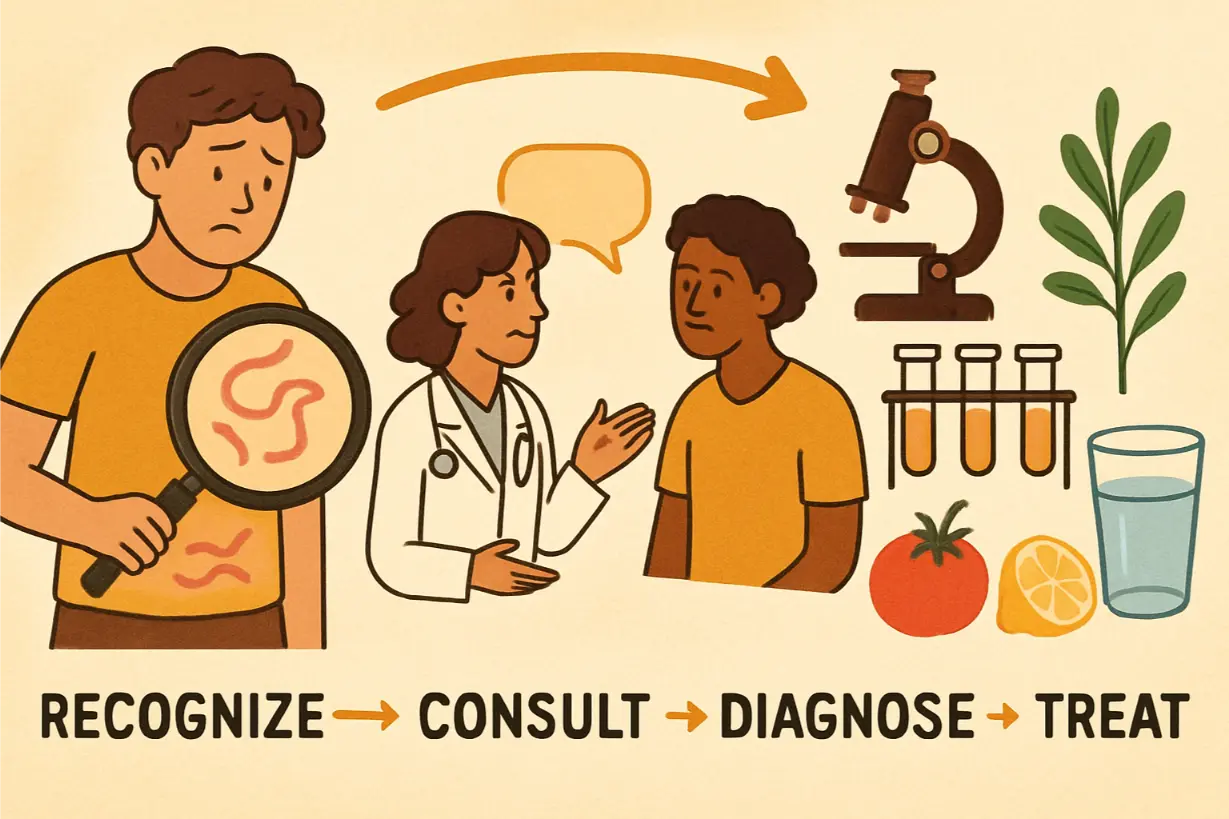
Unmasking the Early Signs You Might Have Intestinal Parasites in 2025: A Comprehensive Guide
Have you been feeling “off” lately, experiencing persistent digestive woes, unexplained fatigue, or even unusual skin issues that just won’t go away? If so, you’re not alone. Many people grapple with subtle, confusing symptoms that can often be attributed to a variety of causes. However, one often-overlooked culprit that could be silently impacting your health is intestinal parasites. Understanding the early signs you might have intestinal parasites is crucial for seeking timely help and regaining your vitality. In this comprehensive guide, we’ll delve into the various ways these unwelcome guests can manifest, helping you connect the dots and empower you to take charge of your well-being in 2025.
It’s a common misconception that parasitic infections are confined to exotic, far-flung locales. The truth is, parasites are far more prevalent than most realize, affecting individuals in all corners of the globe, including here in developed countries. They can be contracted through contaminated food or water, improper hygiene, contact with infected pets, or even international travel. Once inside your body, they can quietly wreak havoc, disrupting your digestive system, sapping your energy, and even influencing your mood. Recognizing these initial indicators is the first step toward reclaiming your health.
Key Takeaways
- Parasites are common globally: Don’t dismiss the possibility of an infection, even if you haven’t traveled internationally.
- Symptoms are varied: Intestinal parasites can cause a wide range of issues, from digestive problems to skin rashes and mood changes.
- Early detection is key: Understanding the early signs you might have intestinal parasites allows for prompt diagnosis and effective treatment.
- Seek professional advice: Self-diagnosis can be misleading. Always consult a healthcare professional for accurate testing and treatment options.
- Holistic approach: Treatment often involves a combination of medical intervention, dietary changes, and lifestyle adjustments.
Decoding the Digestive Distress: When Your Gut Sends Warning Signals
When your digestive system isn’t happy, it often has a way of letting you know. For many people, one of the most prominent early signs you might have intestinal parasites manifests as persistent and often baffling digestive complaints. These aren’t just your run-of-the-mill indigestion; they tend to be chronic, resistant to typical remedies, and can significantly impact your daily comfort and quality of life.
Chronic Bloating and Gas
Feeling like you’ve swallowed a balloon after every meal? Experiencing excessive, often smelly, gas throughout the day? This could be a significant red flag. Intestinal parasites can irritate the gut lining, disrupt the delicate balance of gut flora, and interfere with proper digestion and absorption of nutrients. This disruption leads to an overgrowth of certain bacteria and yeast, which ferment undigested food, producing gas and causing uncomfortable bloating.
- Why it happens: Parasites consume nutrients, leaving undigested food for gas-producing bacteria. They also irritate the intestinal walls, leading to inflammation and impaired digestion.
- What to look for: Bloating that doesn’t subside, especially after meals, accompanied by frequent belching or flatulence.
Persistent Diarrhea or Constipation (or Both!)
It might seem contradictory, but parasites can cause both chronic diarrhea and stubborn constipation, often alternating between the two.
- Diarrhea: Some parasites release toxins that stimulate the body to excrete water and electrolytes, leading to watery stools. Others cause inflammation that damages the intestinal lining, impairing nutrient absorption and resulting in loose, frequent bowel movements. This can be especially draining, leading to dehydration and electrolyte imbalances.
- Constipation: In other cases, parasites can cause blockages or slow down bowel transit time, leading to chronic constipation. This might be due to a physical obstruction caused by a large parasitic load, or due to their interference with the nervous system signals that control gut motility.
Pull Quote: “Chronic bloating, unexplained diarrhea, or persistent constipation are not just annoyances; they are often the gut’s way of signaling deeper issues, potentially one of the early signs you might have intestinal parasites.”
Abdominal Pain and Cramping
Dull aches, sharp pains, or cramping sensations in your abdomen that don’t seem to have a clear cause can be a sign that something is amiss. Parasites can cause inflammation in the intestines, leading to pain. They can also attach to the intestinal wall, causing localized irritation, or even migrate through tissues, which can be intensely painful. The location and severity of the pain can vary depending on the type of parasite and where it has settled.
- Consider this: Does the pain worsen after eating certain foods? Is it more pronounced at specific times of day? Keeping a symptom journal can be incredibly helpful.
Irritable Bowel Syndrome (IBS)-like Symptoms
Many people with undiagnosed parasitic infections are initially misdiagnosed with Irritable Bowel Syndrome (IBS) because the symptoms overlap so significantly. The common IBS symptoms—abdominal pain, cramping, bloating, gas, and altered bowel habits—are all classic early signs you might have intestinal parasites. If you’ve been diagnosed with IBS but traditional treatments aren’t providing significant relief, it might be time to investigate further for a parasitic cause. Learn more about managing gut health and the role of a proper diet in a parasite cleanse diet.
Nausea and Vomiting
While less common than other digestive symptoms, persistent or unexplained nausea and occasional vomiting can also be among the early signs you might have intestinal parasites. This can occur if the parasites are irritating the stomach lining or producing toxins that trigger these responses. This symptom is often more noticeable in acute infections or when the parasitic load is particularly high.
Unexplained Weight Loss or Increased Appetite
This symptom can be tricky because it can manifest in two seemingly opposite ways:
- Unexplained Weight Loss: Parasites literally steal your nutrients. They consume the food you eat, preventing your body from absorbing essential vitamins, minerals, and calories. This malabsorption can lead to significant, unexplained weight loss, even if you’re eating normally. Your body simply isn’t getting the fuel it needs.
- Increased Appetite: Conversely, some people experience an insatiable appetite, constantly feeling hungry even after eating large meals. This is your body’s desperate attempt to get the nutrients it’s being deprived of by the parasites. You might eat more but still feel weak or lose weight.
Understanding these varied digestive symptoms is a critical step in identifying potential parasitic infections. If these issues sound familiar, especially if they’re chronic and resistant to standard treatments, it’s a strong indicator that you should explore further.
Beyond the Gut: Systemic Symptoms and the Body’s Cry for Help
While digestive issues are often the most direct and noticeable early signs you might have intestinal parasites, these invaders don’t just stay in your gut. They can have far-reaching effects throughout your entire body, influencing your energy levels, sleep patterns, skin health, and even your mood. These systemic symptoms are often overlooked or attributed to other causes, making diagnosis challenging.
Chronic Fatigue and Low Energy
Feeling utterly exhausted, even after a full night’s sleep? A profound and persistent lack of energy is one of the most common and debilitating systemic early signs you might have intestinal parasites.
- Nutrient Depletion: As mentioned, parasites steal your nutrients. This chronic depletion of essential vitamins and minerals (like iron, B vitamins, and magnesium) can lead to anemia and severely impair your body’s ability to produce energy.
- Immune System Strain: Your immune system works tirelessly to fight off parasites. This constant battle can be incredibly draining, leaving you feeling fatigued and rundown.
- Toxin Overload: Many parasites release metabolic waste products and toxins into your bloodstream. Your body then has to work harder to detoxify these substances, further contributing to exhaustion.
This isn’t just “tiredness”; it’s a deep-seated fatigue that interferes with daily activities and doesn’t improve with rest.
Sleep Disturbances: Insomnia, Restless Sleep, and Teeth Grinding
If you’re struggling to fall asleep, waking frequently during the night, or experiencing vivid dreams and nightmares, parasites could be playing a role.
- Nocturnal Activity: Some parasites are more active at night, particularly around the full moon (a common observation in traditional medicine). Their movement or the toxins they release can disrupt your natural sleep cycles.
- Anal Itching (Pinworms): Pinworm infections are notorious for causing intense anal itching, especially at night, which can severely disrupt sleep.
- Bruxism (Teeth Grinding): Unexplained teeth grinding (bruxism) during sleep, especially in children, is a well-known, though often misunderstood, early sign you might have intestinal parasites. The exact mechanism isn’t fully understood, but it’s thought to be related to the nervous system’s response to the parasitic activity or nutrient deficiencies.
Skin Problems: Rashes, Hives, Eczema, and Itching
Your skin is often a mirror of your internal health. If your body is grappling with a parasitic infection, it can manifest as a variety of skin complaints.
- Allergic Reactions: The toxins released by parasites can trigger allergic responses, leading to mysterious rashes, hives, or exacerbating existing conditions like eczema. Your body might perceive these toxins as allergens, prompting an immune system overdrive.
- Unexplained Itching: Generalized itching, especially without a visible rash, can be a symptom. This is often attributed to the body’s inflammatory response to the parasites or their byproducts circulating in the bloodstream.
- Dry Skin, Hair Loss, Brittle Nails: Nutrient malabsorption caused by parasites can lead to deficiencies that affect skin, hair, and nail health, making them dry, brittle, or prone to shedding.
For more on dealing with discomfort, including those related to potential parasitic activity, see parasite cleanse side effects: what to expect and how to manage them.
Mood Changes, Anxiety, and Depression
The gut-brain connection is powerful. An unhealthy gut, often caused by parasites, can profoundly impact your mental and emotional well-being.
- Neurotransmitter Disruption: Many crucial neurotransmitters, like serotonin, are produced in the gut. Parasites can disrupt this production and absorption, leading to imbalances that manifest as anxiety, depression, irritability, and mood swings.
- Inflammation: Chronic inflammation, driven by a parasitic infection, is increasingly linked to mood disorders.
- Brain Fog: Feeling mentally sluggish, having difficulty concentrating, or experiencing memory problems (often called “brain fog”) is a common complaint. This can be due to nutrient deficiencies, toxin buildup, and systemic inflammation affecting cognitive function.
Muscle and Joint Pain
If you’re experiencing unexplained aches and pains in your muscles and joints, particularly those that migrate or are chronic, parasites could be involved.
- Inflammation: Parasites can cause systemic inflammation that affects various tissues, including muscles and joints, leading to pain, stiffness, and discomfort similar to arthritis.
- Cysts in Muscle Tissue: Some parasites, like Trichinella, can form cysts in muscle tissue, causing significant pain and tenderness.
- Immune Response: The immune system’s fight against parasites can sometimes trigger autoimmune-like responses, where the body mistakenly attacks its own tissues, leading to joint pain.
Anemia (Iron Deficiency)
Iron deficiency anemia, especially when not explained by other causes like heavy menstrual bleeding, is a very common early sign you might have intestinal parasites, particularly hookworms or other blood-feeding parasites.
- Blood Loss: Some parasites directly feed on your blood, leading to chronic, low-level blood loss that can cause iron deficiency over time.
- Malabsorption: Other parasites damage the intestinal lining, impairing your ability to absorb iron from your diet, even if you’re consuming enough.
Symptoms of anemia include extreme fatigue, weakness, pale skin, shortness of breath, dizziness, and cold hands and feet.
Autoimmune Flare-ups
There’s growing evidence suggesting a link between parasitic infections and the exacerbation or even initiation of autoimmune conditions. The chronic inflammation and immune dysregulation caused by parasites can trigger or worsen autoimmune responses, where the body’s immune system mistakenly attacks its own healthy tissues. If you have an autoimmune condition and notice unexplained flare-ups, it’s worth considering a parasitic investigation.
Genitourinary Issues
While less common, some parasites can also affect the genitourinary system. For instance, pinworms can migrate to the vaginal area in females, causing itching and irritation. Other parasites can cause bladder symptoms or general discomfort in the pelvic region.
Visible Signs: Worms in Stool or Around Anus
While most parasites are microscopic and not visible to the naked eye, some, like certain types of worms (e.g., tapeworms, pinworms, roundworms), can be seen in your stool or around the anal area. This is often a definitive and undeniable sign of an infection.
Pinworms: Small, white, thread-like worms, often seen in the stool or around the anus, especially at night.
Tapeworms: Can appear as long, flat, segmented worms, or you might see individual segments (proglottids) in your stool, which look like rice grains.
- Roundworms: Can be several inches long and resemble earthworms.
Important Note: Seeing visible worms in your stool is a clear indication that you have an infection and you should seek medical attention immediately.
What to Do If You Suspect You Have Intestinal Parasites
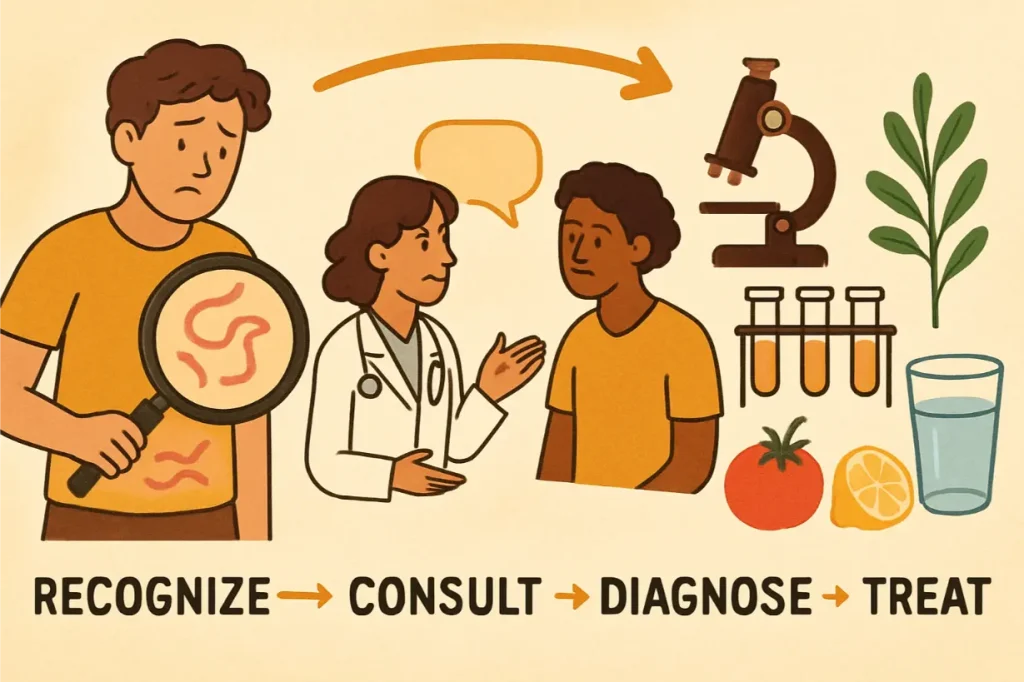
Recognizing the early signs you might have intestinal parasites is a crucial first step, but it’s important not to jump to conclusions or attempt self-treatment without professional guidance. The symptoms can mimic many other conditions, and accurate diagnosis is key to effective treatment.
Consult a Healthcare Professional
If you’re experiencing several of the symptoms discussed above, especially if they are chronic and impact your quality of life, the most important action you can take is to consult a healthcare professional. This could be your general practitioner, a gastroenterologist, or a naturopathic doctor experienced in parasitic infections.
- Be Prepared: Make a detailed list of your symptoms, including when they started, how often they occur, and any factors that seem to make them better or worse. Mention any recent travel, exposure to contaminated water, or contact with pets.
- Ask for Specific Tests: Standard stool tests can often miss parasites. You may need to specifically request a comprehensive stool analysis, which looks for a wider range of parasites, their eggs, and markers of gut health. Some advanced tests can even identify DNA of parasites. Blood tests might also be used to look for antibodies to certain parasites or to check for signs of anemia or inflammation.
Understanding Diagnostic Challenges
It’s important to know that diagnosing parasitic infections can be challenging.
- Intermittent Shedding: Parasites don’t always shed eggs or cysts in every stool sample, meaning one negative test doesn’t necessarily rule out an infection. Multiple samples collected over several days are often needed.
- Microscopic Size: Many parasites are microscopic and require skilled lab technicians to identify them.
- Symptom Overlap: As noted, symptoms often overlap with other conditions like IBS, making initial diagnosis tricky.
Don’t be discouraged if your first round of tests comes back negative but your symptoms persist. Advocate for yourself and seek a second opinion or more specialized testing if necessary.
Exploring Treatment Options
Once a diagnosis is confirmed, your healthcare provider will discuss appropriate treatment options. These can vary depending on the type of parasite and the severity of the infection.
- Conventional Treatments: These typically involve prescription anti-parasitic medications. These medications are designed to kill or paralyze the parasites, allowing your body to expel them. It’s crucial to follow your doctor’s instructions precisely to ensure the infection is fully eradicated.
- Natural and Herbal Approaches: Many people also explore natural and herbal parasite cleanse protocols, either alongside conventional treatment or under the guidance of a naturopathic doctor. Herbs like black walnut, wormwood, and clove are often used for their anti-parasitic properties. It’s vital to research and understand these options thoroughly, as they aren’t suitable for everyone and can interact with other medications. You can find more information on specific herbs in top 5 herbs for a natural parasite cleanse.
Supporting Your Body During and After Treatment
Regardless of the treatment path, supporting your body’s overall health is essential for recovery and preventing future infections.
- Dietary Changes: A supportive diet is key. This often involves reducing sugar and processed foods, which can feed parasites and unhealthy gut bacteria, and increasing fiber-rich foods, fresh fruits, and vegetables to support gut motility and overall health. Learn more about a parasite cleanse diet.
- Gut Healing: After eradicating parasites, it’s crucial to focus on healing your gut lining and restoring a healthy microbiome. This might involve probiotics, prebiotics, and specific gut-healing nutrients like L-glutamine.
- Lifestyle Adjustments: Practicing good hygiene (thorough handwashing), purifying drinking water if unsure of its safety, and cooking food thoroughly can help prevent reinfection.
- Follow-Up Testing: Your doctor may recommend follow-up stool tests to ensure the parasites have been completely eliminated.
Embarking on a journey to cleanse your body of parasites can lead to significant improvements in health. To get a better idea of what to expect, read about parasite cleanse before and after: what to expect. For a comprehensive guide to proactive cleansing, consider exploring a natural parasite cleanse: your 2026 step-by-step plan.
Conclusion
Recognizing the early signs you might have intestinal parasites is a vital step toward reclaiming your health and well-being in 2025. While these symptoms can often be vague and overlap with other conditions, paying close attention to persistent digestive distress, chronic fatigue, unexplained skin issues, or mood changes can provide critical clues.
Parasitic infections are more common than many people realize, and they can significantly impact your quality of life. Don’t dismiss your symptoms as “just stress” or “normal.” If you’ve been experiencing several of the signs discussed in this article, it’s time to take action.
Actionable Next Steps:
- Document Your Symptoms: Keep a detailed journal of your symptoms, noting their frequency, severity, and any potential triggers.
- Consult a Knowledgeable Healthcare Professional: Seek out a doctor, gastroenterologist, or naturopathic physician who has experience in diagnosing and treating parasitic infections. Be prepared to advocate for thorough testing beyond standard stool samples.
- Explore Testing Options: Discuss comprehensive stool analysis, blood tests, and other diagnostic tools with your practitioner to ensure an accurate diagnosis.
- Educate Yourself: Learn about different types of parasites and their life cycles. Understanding the enemy can empower you in your treatment journey. More general information can be found at parasitecleanse.org.
- Follow Treatment Protocols Diligently: Whether you pursue conventional medications, natural remedies, or a combination, adhere strictly to your healthcare provider’s instructions.
- Support Your Gut Health: Focus on a nutrient-dense diet, consider probiotics, and work on healing your gut post-treatment to prevent recurrence and restore overall health.
- Practice Prevention: Maintain good hygiene, ensure food is properly prepared, and be mindful of water sources, especially when traveling.
Your body is resilient, but it needs your help to overcome these hidden invaders. By understanding the early signs you might have intestinal parasites and taking proactive steps, you can embark on a path to better health and renewed vitality in 2025 and beyond.