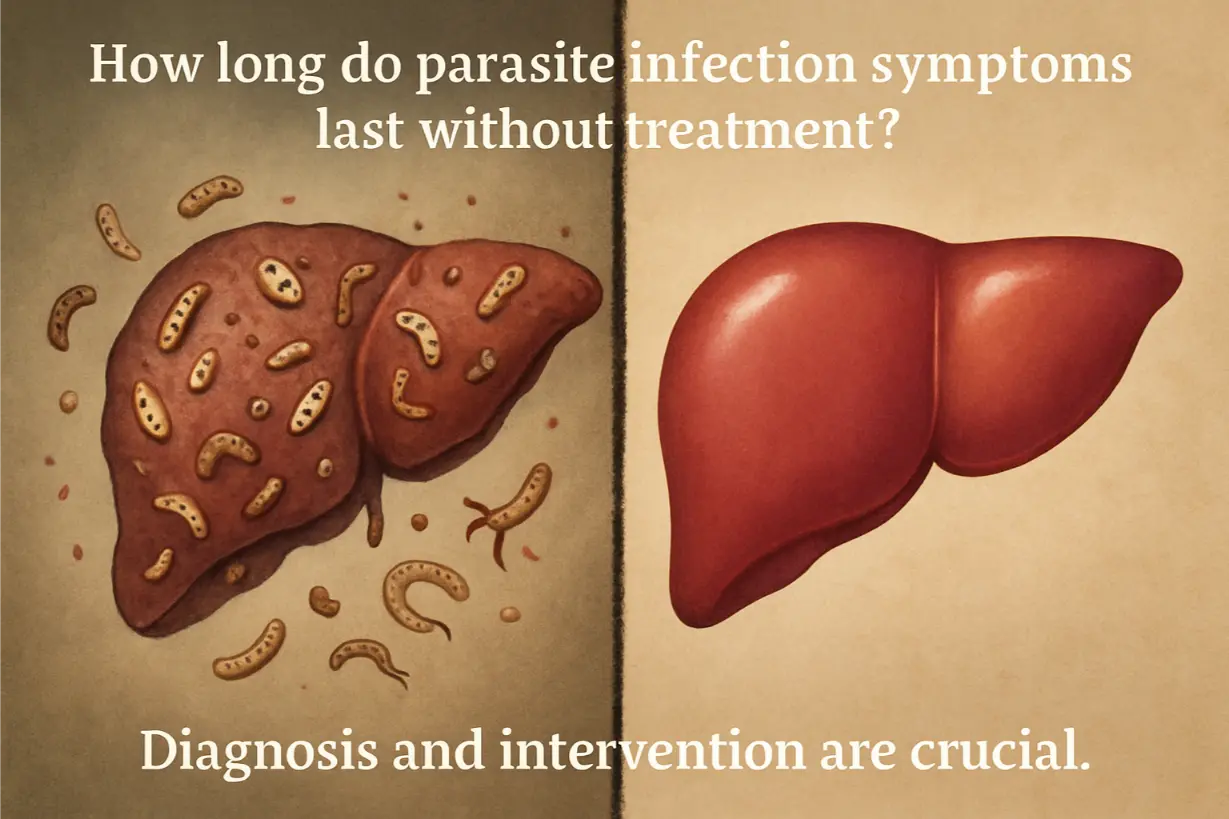
How Long Do Parasite Infection Symptoms Last Without Treatment?
Have you ever wondered about that persistent stomach ache, the unexplained fatigue, or those baffling skin issues that just won’t go away? It’s unsettling to think about, but parasitic infections are more common than many people realize, affecting millions worldwide. When faced with the possibility of an unwelcome internal guest, one of the most pressing questions is: how long do parasite infection symptoms last without treatment? The short answer is often a lot longer than you’d hope – sometimes indefinitely, and with potentially serious consequences. Understanding the longevity of these symptoms and the risks of inaction is crucial for your health and well-being in 2026.
Key Takeaways
- Symptoms Often Persist Indefinitely: Without proper treatment, many parasitic infections can cause chronic symptoms that last for years or even a lifetime, as parasites continue to thrive and multiply within the host.
- Worsening Health Over Time: Untreated infections can lead to a gradual decline in health, causing nutrient deficiencies, organ damage, chronic inflammation, and a weakened immune system.
- Diverse Symptom Presentation: Symptoms vary greatly depending on the type of parasite, its location in the body, and the individual’s immune response, ranging from mild digestive upset to severe systemic illness.
- The Importance of Early Diagnosis: Early and accurate diagnosis is vital for effective treatment and preventing long-term complications. Self-treatment is not recommended due to the complexity of identifying and eradicating parasites.
- Prevention and Proactive Health: Maintaining good hygiene, safe food and water practices, and understanding transmission routes are key to preventing parasitic infections. Consider exploring options for a comprehensive parasite cleanse as a proactive measure after consulting with a healthcare professional.
The Lingering Presence: Understanding How Long Do Parasite Infection Symptoms Last Without Treatment
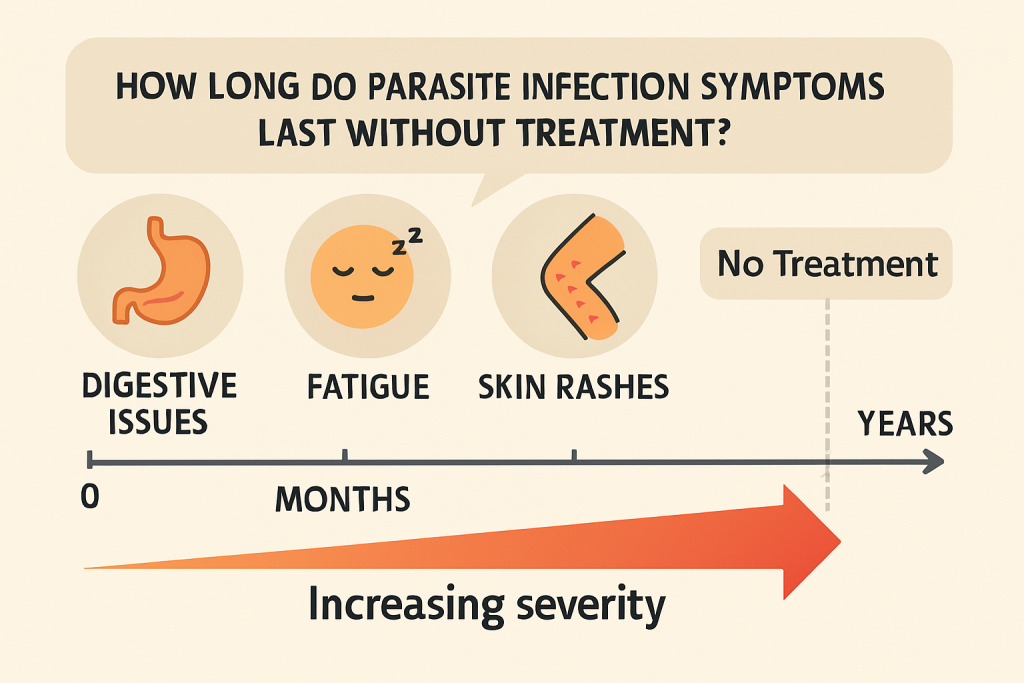
Parasitic infections are not usually a “wait and see” kind of health issue. Unlike a common cold that typically resolves on its own within a week or two, parasites are living organisms that require a host (you!) to survive, reproduce, and grow. They are generally not interested in leaving your body voluntarily. This means that if you’re experiencing symptoms of a parasitic infection and you don’t seek appropriate medical intervention, those symptoms are very likely to persist, and in many cases, worsen over time.
Think of it like an unwelcome tenant who refuses to move out. The longer they stay, the more they consume your resources and potentially damage your property. Similarly, parasites feed on your nutrients, irritate your tissues, and can release toxins, leading to a cascade of health problems.
Why Symptoms Linger and Worsen
The persistence of symptoms stems from several factors unique to parasitic infections:
- Continuous Reproduction: Most parasites have life cycles that involve reproduction within the host. As they multiply, the parasitic load (the number of parasites in your body) increases, intensifying symptoms.
- Nutrient Depletion: Parasites compete with you for vital nutrients. Over time, this can lead to malabsorption and deficiencies, causing fatigue, weakness, anemia, and compromised immune function.
- Tissue Damage and Inflammation: Depending on where they reside (intestines, liver, lungs, brain, skin, etc.), parasites can cause direct damage to tissues and organs. This damage often triggers chronic inflammation, which is itself a contributor to numerous health issues.
- Immune System Overload: Your immune system works tirelessly to fight off parasites. However, a prolonged battle can lead to immune exhaustion or dysregulation, making you more susceptible to other illnesses.
- Toxin Release: Some parasites release metabolic waste products or toxins that can have systemic effects, contributing to symptoms like brain fog, skin rashes, and allergic reactions.
For example, intestinal worms like roundworms, hookworms, or tapeworms can live for years in the digestive tract. Symptoms like abdominal pain, diarrhea, constipation, weight loss, and anal itching can continue unabated for as long as the worms are present. Giardia, a common protozoan parasite, can cause chronic diarrhea, gas, and stomach cramps for months if not treated. Similarly, microscopic parasites like Cryptosporidium can cause severe, watery diarrhea that lasts for weeks or even longer in immunocompromised individuals.
It’s important to differentiate between acute symptoms (the initial, often more intense phase) and chronic symptoms (those that persist long-term). While some acute symptoms might ebb and flow, the underlying infection remains, laying the groundwork for chronic issues. If you suspect a parasitic infection, understanding the potential duration of symptoms without intervention should be a strong motivator to seek professional help. Exploring resources like Parasite Cleanse .org can offer valuable insights into identifying and addressing these issues.
Common Parasites and Their Untreated Symptom Duration
Let’s look at a few common types of parasites and what happens if their infections are left untreated:
| Parasite Type | Common Symptoms (Untreated) | Typical Duration of Symptoms Without Treatment | Potential Long-Term Complications |
|---|---|---|---|
| Giardia lamblia (Protozoa) | Diarrhea, gas, greasy stools, abdominal cramps, nausea, dehydration, weight loss. | Months to years. | Chronic fatigue, irritable bowel syndrome (IBS), malabsorption. |
| Cryptosporidium (Protozoa) | Watery diarrhea, dehydration, weight loss, stomach cramps, fever, nausea, vomiting. | Weeks to months (longer in immunocompromised). | Severe dehydration, malnutrition, biliary tract disease. |
| Entamoeba histolytica (Protozoa) | Abdominal pain, bloody diarrhea, fever, weight loss. Asymptomatic carriage is also common. | Months to years. | Amoebic liver abscess, peritonitis, severe colitis, death. |
| Roundworms (Ascaris) (Helminth) | Abdominal pain, cough, fever, nausea, vomiting, malnutrition, growth impairment. | Years. | Intestinal obstruction, biliary obstruction, appendicitis, malnutrition. |
| Hookworms (Helminth) | Itchy rash (ground itch), abdominal pain, diarrhea, anemia, fatigue, weakness. | Years (5-10 years or more). | Severe iron-deficiency anemia, growth retardation, cognitive impairment. |
| Tapeworms (Taenia) (Helminth) | Nausea, weakness, diarrhea, abdominal pain, loss of appetite or increased appetite, weight loss. | Years (up to 30 years for some species). | Cysticercosis (cysts in brain/muscles), malnutrition, vitamin deficiencies. |
| Pinworms (Enterobius) (Helminth) | Intense anal itching (especially at night), irritability, sleeplessness. | Weeks to months (reinfection is common). | Secondary bacterial infections from scratching, sleep disturbances. |
This table highlights a critical point: parasites are not temporary nuisances. They are persistent organisms that can reside in your body for extended periods, continuously causing symptoms and damage if left unaddressed. It underscores why understanding how long do parasite infection symptoms last without treatment is a question that points directly to the necessity of medical intervention.
The Cascade of Consequences: Long-Term Effects When Symptoms Persist
The question of “how long do parasite infection symptoms last without treatment” often leads to a more concerning inquiry: what happens if they never get treated? The answer is sobering. Untreated parasitic infections can lead to a host of chronic health problems that significantly impact quality of life and even life expectancy. The longer a parasite resides in the body, the greater the potential for serious, irreversible damage.
Chronic Health Issues and Organ Damage
One of the most severe consequences of long-term parasitic infection is the potential for chronic disease and organ damage. The specific organs affected depend on the type of parasite:
- Gastrointestinal Tract: Many parasites inhabit the intestines, causing chronic inflammation, malabsorption, nutrient deficiencies, and conditions like irritable bowel syndrome (IBS) or inflammatory bowel disease (IBD)-like symptoms. Over time, this can impair digestive function permanently.
- Liver: Certain parasites, like liver flukes or Echinococcus (tapeworm cysts), can directly infect the liver, leading to inflammation, abscesses, fibrosis, and even liver failure.
- Lungs: Parasites such as lung flukes or Ascaris larvae migrating through the lungs can cause chronic cough, bronchitis, pneumonia-like symptoms, and in severe cases, lung damage.
- Brain and Nervous System: Some parasites, like Toxoplasma gondii or Taenia solium (causing neurocysticercosis), can infect the brain and nervous system, leading to seizures, headaches, neurological deficits, and severe cognitive impairment.
- Heart: Trypanosoma cruzi, the parasite responsible for Chagas disease, can cause chronic heart damage, leading to cardiomyopathy, heart failure, and sudden death years after the initial infection.
- Blood and Lymphatic System: Hookworms cause chronic iron-deficiency anemia due to blood loss. Filariasis can block lymphatic vessels, leading to severe swelling (lymphedema) and elephantiasis.
These are not minor inconveniences; they are life-altering conditions that can drastically reduce health and well-being. The initial question of how long do parasite infection symptoms last without treatment quickly morphs into a concern about permanent health alterations.
Nutritional Deficiencies and Growth Impairment
Parasites are notorious for stealing nutrients from their hosts. This competition for vitamins, minerals, and macronutrients can lead to:
- Malnutrition: Even in individuals with seemingly adequate diets, chronic parasitic infections can lead to significant nutrient depletion.
- Anemia: Hookworms and whipworms feed on blood, causing chronic blood loss and severe iron-deficiency anemia.
- Growth Stunting and Cognitive Impairment: In children, chronic infections, especially by intestinal worms, are a major cause of growth retardation, impaired cognitive development, and reduced school performance. This can have lifelong consequences on their potential.
A child suffering from untreated parasitic infections might never reach their full physical or intellectual potential, a tragic outcome that emphasizes the importance of early intervention.
Weakened Immune System and Increased Vulnerability
A body constantly battling parasites has an immune system under immense strain. This can lead to:
- Immune Suppression: The prolonged immune response can exhaust the immune system, making the individual more susceptible to bacterial, viral, and fungal infections.
- Autoimmune-like Reactions: In some cases, chronic inflammation and immune system dysregulation caused by parasites can trigger or exacerbate autoimmune conditions.
- Allergies and Hypersensitivity: Parasitic presence can sometimes lead to chronic allergic reactions, skin rashes, asthma-like symptoms, and heightened sensitivities.
It’s clear that the answer to how long do parasite infection symptoms last without treatment is not just “a long time,” but rather “until they cause serious, potentially irreversible harm.” This understanding is why professional medical guidance is paramount when a parasitic infection is suspected.
The Critical Role of Diagnosis and Treatment
Given the potential severity of untreated infections, seeking a diagnosis and treatment is not merely advisable but essential.
- Don’t Self-Diagnose: Symptoms of parasitic infections can mimic many other conditions. A proper diagnosis requires specific tests, such as stool samples, blood tests, or imaging, which can only be ordered and interpreted by a healthcare professional.
- Avoid Self-Treatment: While there are many natural remedies discussed online, attempting to self-treat without knowing the exact parasite species can be ineffective, delay proper treatment, and potentially mask symptoms. For those interested in natural approaches, it’s important to consult with a doctor first and then explore resources like natural parasite cleanse options for informed choices.
- Comprehensive Care: Medical treatment often involves prescription antiparasitic medications tailored to the specific parasite. Follow-up testing is crucial to ensure the infection has been successfully eradicated.
The path to recovery involves understanding the nature of the infection, which only a medical professional can ascertain. They can also guide you on what to expect during treatment, including potential parasite cleanse side effects and how to manage them effectively.
Prevention: Your First Line of Defense in 2026
While we’ve focused on the duration of symptoms without treatment, prevention remains the best strategy. In 2026, maintaining good hygiene and awareness is as important as ever:
- Food Safety: Wash fruits and vegetables thoroughly, cook meat to safe temperatures, and avoid cross-contamination.
- Water Safety: Drink purified or boiled water, especially when traveling or in areas with questionable water quality. Avoid swallowing water in lakes or rivers.
- Hand Hygiene: Wash hands frequently with soap and water, especially after using the bathroom, changing diapers, and before handling food.
- Travel Awareness: Be extra cautious with food and water sources when traveling to regions where parasitic infections are endemic.
- Pet Care: Deworm pets regularly and ensure proper disposal of pet waste.
For individuals looking to be proactive about their gut health and potentially address lingering concerns, learning about a natural parasite cleanse: your 2025 step-by-step plan can be beneficial, always in consultation with a healthcare provider. Understanding the role of a parasite cleanse diet recipes: fiber-rich meals for gut health can also support overall digestive wellness.
Recognizing the Signs: When to Seek Help for Persistent Symptoms
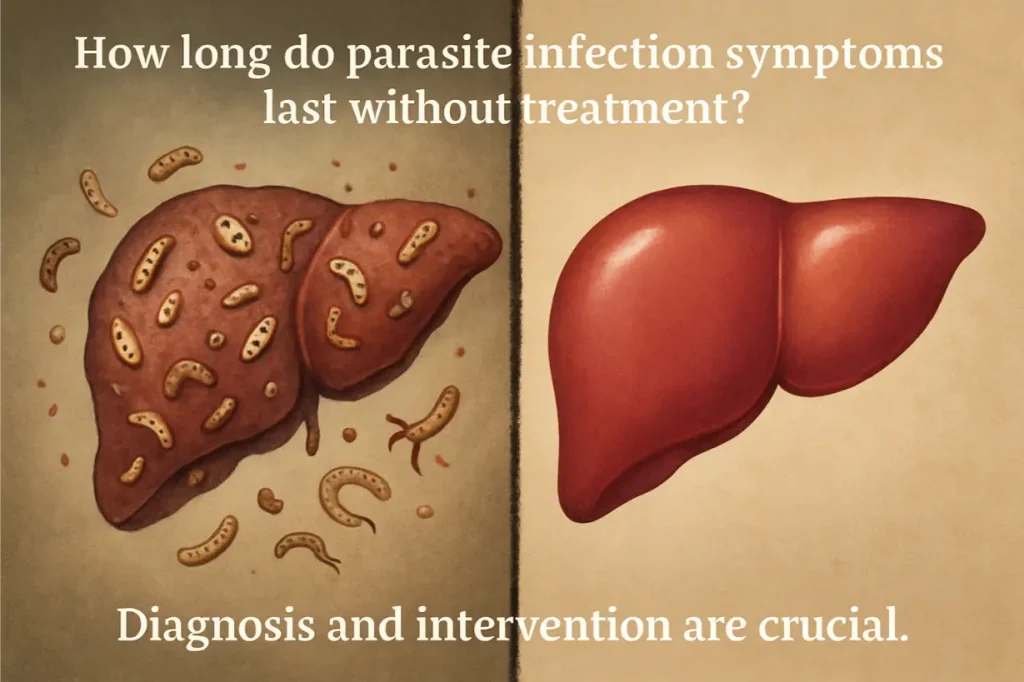
It’s easy to dismiss vague symptoms like fatigue or digestive upset as part of everyday stress or other common ailments. However, when these symptoms persist, worsen, or are accompanied by other unusual signs, it’s a clear signal that it’s time to seek medical attention. The longer you wait, the more deeply rooted the problem might become, making the initial question of how long do parasite infection symptoms last without treatment all the more critical.
Key Indicators That Suggest a Parasitic Infection
While only a medical professional can diagnose a parasitic infection, certain clusters of symptoms should prompt you to consider this possibility:
Persistent Digestive Issues:
- Chronic diarrhea (especially watery or greasy stools)
- Unexplained constipation
- Bloating, excessive gas, or abdominal distension
- Recurrent stomach cramps or pain
- Nausea or vomiting that isn’t tied to a specific illness
- Anal itching (especially at night)
Unexplained Weight Changes:
- Significant weight loss despite a normal or increased appetite
- Difficulty gaining weight
- Unexplained weight gain (less common, but possible due to inflammation/fluid retention)
Fatigue and Weakness:
- Chronic fatigue that doesn’t improve with rest
- General weakness or malaise
- Anemia (diagnosed by a doctor)
Skin and Allergic Reactions:
- Unexplained rashes, hives, or eczema
- Itchy skin
- Swelling (e.g., around the eyes, face, or limbs)
- Food sensitivities or allergies that suddenly appear or worsen
Neurological or Psychological Symptoms:
- Brain fog, difficulty concentrating, or memory issues
- Irritability, anxiety, or mood swings
- Sleep disturbances (insomnia, restless sleep)
- Muscle aches or joint pain
Other Alarming Signs:
- Fever (especially if recurrent or unexplained)
- Visible worms in stool (this is a definitive sign!)
- Blood in stool
- Travel history to regions where parasitic infections are common
- Exposure to contaminated water or food
If you’re experiencing several of these symptoms, particularly if they have been ongoing for weeks or months, it’s crucial to consult your doctor. Be open and honest about your symptoms, your travel history, and any potential exposures. Don’t be shy about asking your doctor to consider parasitic infections as a possibility.
The Diagnostic Process
When you visit your doctor with concerns about a parasitic infection, they will likely take a detailed medical history and perform a physical examination. The next steps usually involve specific diagnostic tests:
- Stool Tests (Ova and Parasite Exam): This is the most common test for intestinal parasites. You’ll be asked to provide stool samples over several days, as parasites may not shed consistently. Lab technicians examine these samples under a microscope for parasite eggs, larvae, or adult worms.
- Blood Tests: These can detect antibodies produced by your immune system in response to certain parasites, or they can reveal signs of infection like eosinophilia (an elevated count of a specific type of white blood cell).
- Imaging Tests: X-rays, CT scans, or MRIs might be used to detect parasites or cysts in organs like the liver, lungs, brain, or muscles.
- Endoscopy/Colonoscopy: In some cases, a procedure to visually examine the digestive tract may be performed, allowing for biopsies and direct visualization of parasites.
Accurate diagnosis is the cornerstone of effective treatment. Without knowing exactly which parasite is causing the problem, treatment can be hit-or-miss. This is why self-diagnosis and self-treatment are often ineffective and can lead to prolonged suffering and increased health risks.
What to Expect After Diagnosis and During Treatment
Once diagnosed, your doctor will prescribe appropriate antiparasitic medication. The type and duration of treatment will depend on the specific parasite.
- Medication: These can range from a single dose to several weeks of treatment. It’s crucial to complete the entire course of medication, even if symptoms improve quickly, to ensure all parasites are eradicated.
- Follow-up Tests: Your doctor will likely recommend follow-up stool samples or blood tests to confirm that the infection has cleared.
- Symptom Resolution: Most people experience significant improvement in symptoms after successful treatment. However, some lingering symptoms, particularly if chronic inflammation or organ damage occurred, may take longer to resolve or require additional supportive care.
- Dietary and Lifestyle Support: During and after treatment, supporting your gut health is vital. A balanced diet, rich in fiber and probiotics, can aid recovery. For more ideas on supportive nutrition, exploring parasite cleanse diet recipes: fiber-rich meals for gut health can be a good starting point. You can also learn more about general health and wellness topics on Parasite Cleanse .org uncategorized section.
The journey from suspecting an infection to full recovery can be challenging, but it is far preferable to allowing symptoms to persist and worsen indefinitely. Understanding the complete picture, from potential initial symptoms to the full spectrum of untreated outcomes, solidifies the argument for prompt medical attention. For those considering proactive health measures, further details on a general parasite cleanse can offer additional context, once again, after speaking with a healthcare professional. You can also read about parasite cleanse before and after: what to expect for more insights.
Conclusion: Don’t Let Parasite Infection Symptoms Linger
The question of “how long do parasite infection symptoms last without treatment” has a clear, albeit unsettling, answer: often indefinitely, leading to a progressive decline in health and potentially severe, irreversible complications. Parasites are not passive guests; they are active inhabitants that consume your resources, damage your tissues, and continually contribute to your discomfort and illness as long as they remain in your body.
In 2026, with increasing awareness and access to information, there’s no reason to suffer silently. Persistent digestive issues, unexplained fatigue, skin problems, or unusual weight changes should not be ignored. These are your body’s signals, and dismissing them can lead to a cascade of chronic health problems, nutritional deficiencies, and a weakened immune system.
Actionable Next Steps:
- Listen to Your Body: If you’re experiencing chronic or unusual symptoms, especially those mentioned in this article, schedule an appointment with your doctor.
- Be Prepared for Your Doctor’s Visit: Note down all your symptoms, their duration, any relevant travel history, and concerns about potential exposures. Don’t hesitate to voice your suspicion of a parasitic infection.
- Seek Accurate Diagnosis: Work with your healthcare provider to get the necessary diagnostic tests, such as stool samples or blood tests, to identify the specific parasite, if one is present.
- Follow Treatment Protocols: If diagnosed, adhere strictly to the prescribed treatment plan, including completing the full course of medication and attending follow-up appointments.
- Support Your Gut Health: After treatment, focus on nourishing your gut with a balanced, fiber-rich diet and discuss probiotic use with your doctor. Resources like top 5 herbs for a natural parasite cleanse can also be explored as part of a holistic recovery plan, always under professional guidance.
- Prioritize Prevention: Continue practicing good hygiene, ensuring food and water safety, and being mindful of your environment to prevent future infections.
Your health is your most valuable asset. Don’t allow an untreated parasitic infection to diminish your quality of life in 2026 or beyond. Early detection and treatment are your best defense against the long-term consequences of these persistent invaders.