Have you ever felt “off” – a bit more tired than usual, experienced unexplained tummy troubles, or noticed other peculiar symptoms that just don’t seem to go away? It’s natural to wonder what might be causing it, and sometimes, the thought of parasites crosses our minds. While it might sound unsettling, knowing how to talk to your doctor about suspected parasites is a crucial first step toward feeling better and getting the right answers. This article will guide you through preparing for your appointment, what to expect, and how to advocate for your health in 2025.
Key Takeaways
- Prepare Thoroughly: Document all your symptoms, their onset, severity, and any potential exposures (travel, food, pets).
- Be Specific and Honest: Provide your doctor with detailed, accurate information about your concerns without self-diagnosing.
- Ask Targeted Questions: Prepare a list of questions about diagnostic tests, treatment options, and follow-up care.
- Advocate for Yourself: If you feel your concerns aren’t being adequately addressed, don’t hesitate to seek a second opinion or express your desire for further investigation.
- Understand the Process: Be aware that diagnosis might involve several tests, and treatment plans can vary depending on the type of parasite.
Preparing for Your Doctor’s Appointment: Your Blueprint for Discussion
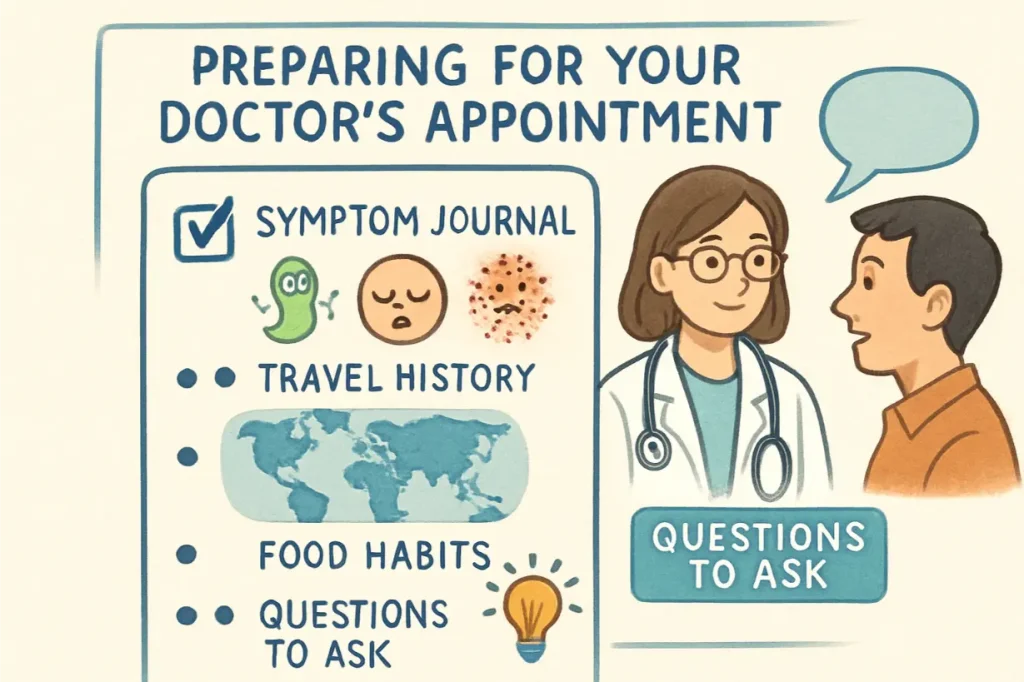
Talking to your doctor about something as sensitive as suspected parasites can feel daunting. However, being well-prepared can make all the difference, ensuring your concerns are heard and addressed effectively. Think of your preparation as building a compelling case for your health.
Documenting Your Symptoms: The “Who, What, When, Where, Why”
Before you even step into the clinic in 2025, begin a symptom journal. This isn’t just a casual list; it’s a detailed log that provides your doctor with invaluable clues. When learning how to talk to your doctor about suspected parasites, comprehensive symptom tracking is paramount.
What to include in your symptom journal:
- List All Symptoms: Don’t hold back, even if they seem unrelated. Common parasite symptoms can be vague and mimic other conditions. These might include:
- Persistent digestive issues (diarrhea, constipation, bloating, gas, abdominal pain, nausea)
- Unexplained fatigue or weakness
- Skin issues (rashes, itching, hives, eczema)
- Sleep disturbances (insomnia, teeth grinding)
- Muscle and joint pain
- Weight loss or gain without effort
- Anal itching, especially at night
- Mood changes (anxiety, depression)
- Headaches
- Fever
- When Did They Start? Note the exact or approximate date each symptom began.
- How Often Do They Occur? Are they constant, intermittent, or worse at certain times of the day or night?
- How Severe Are They? Use a scale of 1-10 to describe the intensity.
- What Makes Them Better or Worse? Does eating certain foods exacerbate symptoms? Do rest or medication provide temporary relief?
- Any Changes Over Time? Have your symptoms evolved since they first appeared?
- Any Visible Signs? Have you noticed anything unusual in your stool, such as worms, eggs, or mucus? While not pleasant to discuss, this is crucial information.
Tip: Consider taking photos of any unusual rashes, swelling, or visible signs (if appropriate and not too graphic) to show your doctor. Visual evidence can sometimes speak volumes.
Understanding Potential Exposures: Tracing the Source
Parasites don’t just appear out of nowhere. They are often acquired through specific exposures. Thinking about these can help your doctor narrow down possibilities.
Key exposure areas to consider:
- Travel History: Have you traveled internationally, especially to developing countries, or even certain rural areas domestically? Note the dates, destinations, and any activities like swimming in freshwater or eating street food.
- Food and Water Consumption:
- Have you eaten undercooked meat or fish?
- Have you consumed unwashed fruits or vegetables, especially if grown in potentially contaminated soil?
- Have you drunk unfiltered water from questionable sources (e.g., camping trips, well water)?
- Do you eat raw or rare fish (sushi, ceviche)?
- Pet Ownership: Do you have pets? Have they been recently dewormed or shown signs of parasites? Parasites can be transmitted from pets to humans.
- Environmental Exposure:
- Have you been exposed to contaminated soil or water (e.g., gardening without gloves, swimming in lakes or ponds)?
- Have you had close contact with anyone diagnosed with a parasitic infection?
- Hygiene Practices: While often overlooked, basic hygiene plays a role. Do you frequently wash your hands, especially before eating and after using the restroom or handling pets?
Pull Quote: “Being a detective in your own health journey, gathering clues about symptoms and exposures, empowers your doctor to be a better problem-solver.”
Listing Medications and Supplements: A Full Picture
Provide a complete list of all medications you’re currently taking, including:
- Prescription drugs
- Over-the-counter medications
- Vitamins
- Herbal supplements (especially if you’ve tried any natural parasite cleanse remedies)
- Any other remedies or treatments you’ve tried for your symptoms, along with whether they helped or made things worse.
Some medications can mask symptoms or interact with diagnostic tests or potential treatments. This information is vital for your doctor’s assessment.
Compiling Questions for Your Doctor: Be Proactive
When it’s time to talk to your doctor about suspected parasites, a prepared list of questions ensures you cover all your bases and leave feeling informed.
Questions to consider asking:
- “Given my symptoms and history, do you think a parasitic infection is a possibility?”
- “What diagnostic tests do you recommend to investigate my symptoms, and why?” (e.g., stool tests, blood tests, imaging)
- “How accurate are these tests, and what are their limitations?”
- “If a parasite is found, what are the common treatment options?”
- “What are the potential side effects of those treatments?”
- “How long will treatment typically last?”
- “What lifestyle or dietary changes might be recommended during or after treatment?” (You might find more information on parasite cleanse diet recipes)
- “What should I expect during recovery, and how will we monitor my progress?” (Consider what to expect from parasite cleanse before and after)
- “When should I schedule a follow-up appointment?”
- “What precautions can I take to prevent future infections?”
- “Are there any specific top herbs for a natural parasite cleanse that might support my recovery, and are they safe to take with conventional treatment?”
Remember, your doctor is your partner in health. Don’t be afraid to ask for clarification if you don’t understand something.
During Your Doctor’s Visit and Beyond: Advocating for Your Health
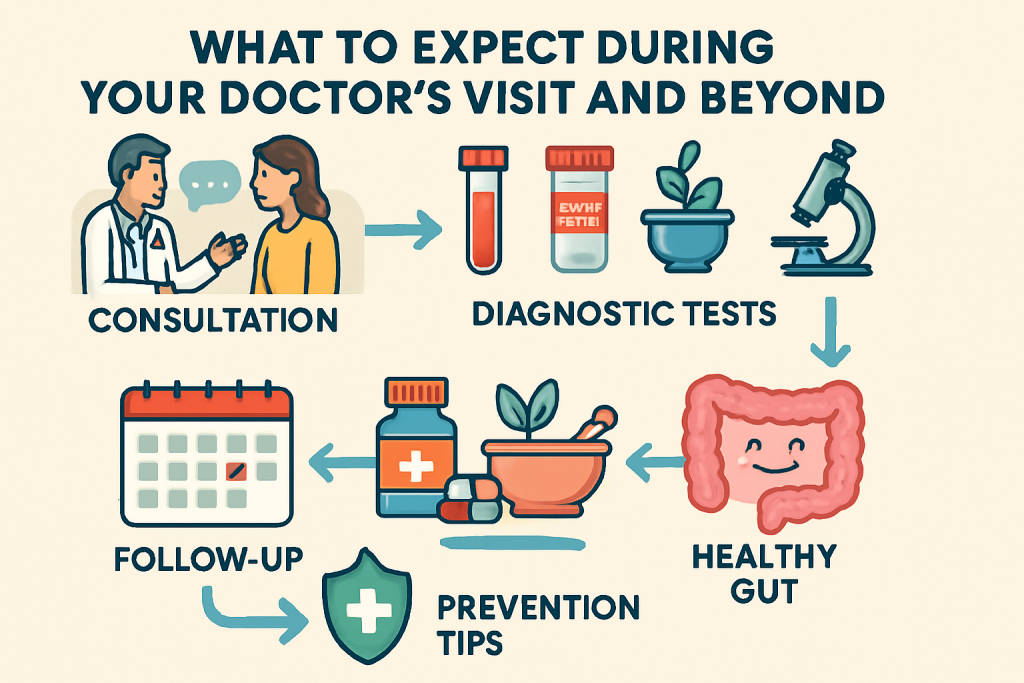
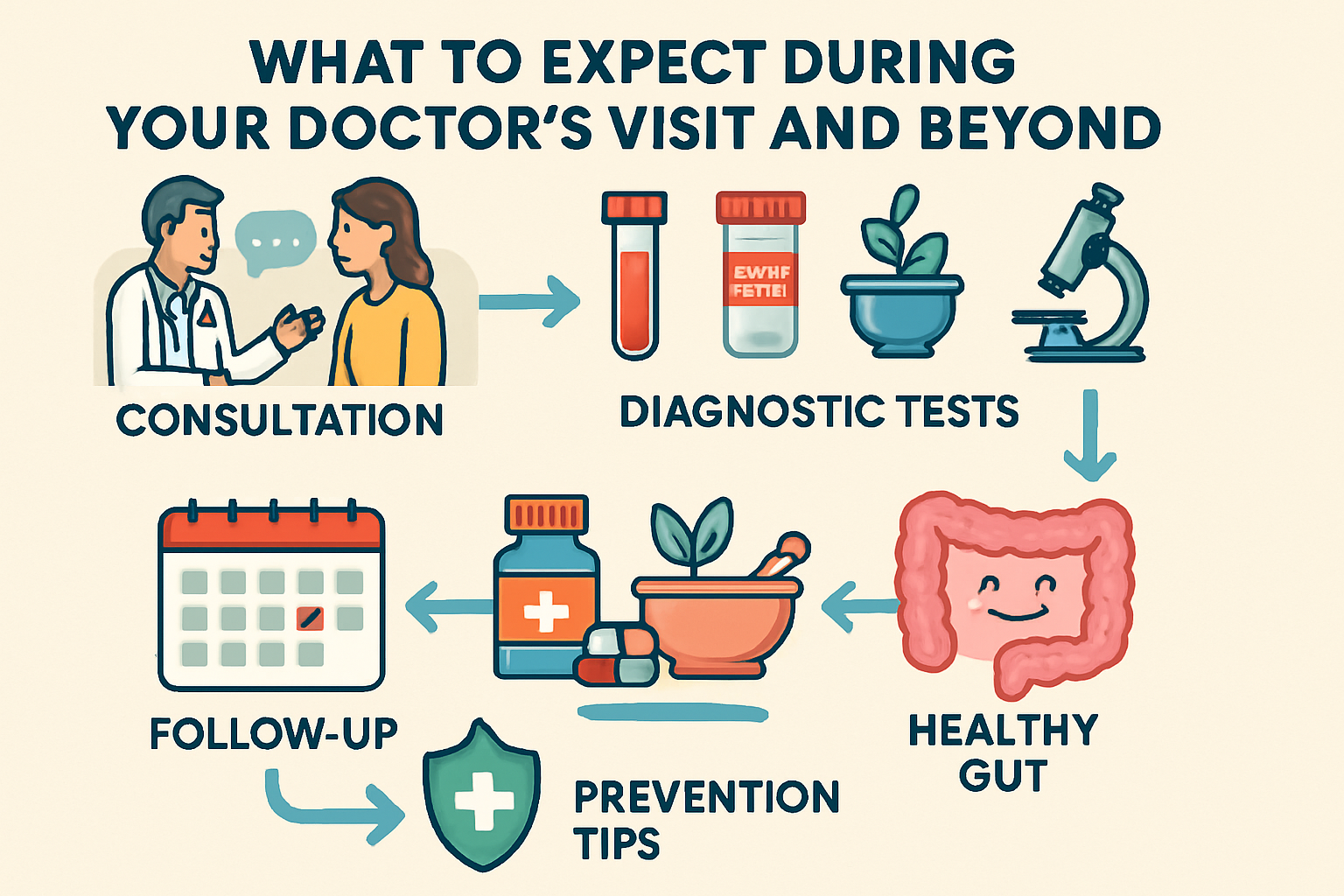
The appointment itself is your opportunity to clearly communicate your concerns. Knowing how to present your information effectively and what to expect next will empower you throughout the diagnostic and treatment process.
Communicating Effectively During Your Appointment
When you’re finally face-to-face with your doctor in 2025, your preparation will pay off.
Tips for effective communication:
- Be Clear and Concise: Start by stating your main concern: “Doctor, I’ve been experiencing [summarize key symptoms], and I’m concerned it might be related to a parasitic infection, especially since [mention relevant exposure, e.g., recent travel].”
- Share Your Journal: Present your symptom journal and exposure history. This organized information saves time and ensures no detail is missed. “I’ve put together a detailed log of my symptoms and potential exposures, which I think might be helpful.”
- Listen Actively: Pay attention to your doctor’s questions and explanations. It’s a two-way conversation.
- Don’t Self-Diagnose, But Express Your Concerns: While you’ve researched and have suspicions, avoid definitively stating “I have parasites.” Instead, phrase it as “I’m concerned about the possibility of a parasitic infection because…” This keeps the conversation open for professional diagnosis.
- Be Honest: Don’t omit details because they feel embarrassing or irrelevant. Every piece of information can be a clue.
- Take Notes: Bring a small notebook and pen (or use your phone) to jot down important information, test names, medication instructions, and follow-up plans.
- Clarify Doubts: If you don’t understand medical jargon or a treatment plan, ask for it to be explained in simpler terms. “Could you explain what a ‘stool O&P’ test involves?”
Table: What to Say and What Not to Say
| What to Say (Empowering) | What Not to Say (Potentially Hindering) |
|---|---|
| “I’ve been experiencing persistent fatigue and digestive issues since my trip to Mexico. I’m concerned about parasites.” | “I definitely have parasites, I Googled it.” |
| “I’ve documented my symptoms for the past month; here’s the journal.” | “I’ve been feeling weird lately.” |
| “What tests do you recommend to investigate these symptoms?” | “Can you just give me antibiotics for parasites?” |
| “Could you explain the difference between a stool test and a blood test for parasites?” | “I don’t understand what you’re saying.” (without asking for clarification) |
| “I’d like to understand all my options if a parasite is found.” | “Just tell me what to do.” |
Understanding Diagnostic Tests: What Your Doctor Might Order
To accurately diagnose a parasitic infection, your doctor will likely order specific tests. It’s helpful to understand what these might involve.
Common Diagnostic Tests:
- Stool O&P (Ova and Parasites) Test: This is the most common test for intestinal parasites. You’ll collect stool samples over several days, which are then examined under a microscope for parasite eggs, larvae, or adult worms.
- Important Note: It may require multiple samples as parasites don’t shed eggs consistently.
- Blood Tests:
- Antibody Tests: These detect antibodies your immune system produces in response to a parasitic infection. They can indicate past or current exposure to certain parasites.
- Complete Blood Count (CBC): Can reveal elevated eosinophils (a type of white blood cell), which is often a sign of a parasitic infection.
- Endoscopy or Colonoscopy: In some cases, if intestinal parasites are suspected but not found via stool tests, a scope procedure might be performed to visually inspect the digestive tract and take biopsies.
- Imaging Scans (X-rays, CT scans, MRI): These are less common for general parasitic infections but might be used to detect parasites in other organs or tissues, such as the liver, brain, or lungs.
- Tape Test: For pinworm infections, a piece of clear adhesive tape is pressed against the skin around the anus, typically in the morning before bathing, to collect eggs.
It’s important to remember that some parasites are notoriously difficult to detect, and a negative test doesn’t always rule out an infection completely. Sometimes, repeat testing or different types of tests are needed.
Treatment Options and Follow-Up: The Road to Recovery
If a parasitic infection is confirmed, your doctor will discuss treatment options. These vary widely depending on the type of parasite and the severity of the infection.
General treatment approaches:
- Antiparasitic Medications: These are specific drugs designed to kill parasites. The exact medication and dosage will depend on the identified parasite.
- Supportive Care: This might include managing symptoms like dehydration from diarrhea, pain relief, or addressing nutritional deficiencies caused by the infection.
- Dietary and Lifestyle Adjustments: Your doctor may recommend specific dietary changes to support gut health and recovery. For example, a parasite cleanse diet focuses on fiber-rich meals.
- Natural Remedies: While conventional medicine is typically the first line of defense, some individuals explore natural parasite cleanse options or specific top herbs for a natural parasite cleanse as complementary support. Always discuss these with your doctor to ensure they don’t interfere with prescribed medications or treatments.
What to expect during treatment and recovery:
- Side Effects: Antiparasitic medications can have side effects. Discuss these with your doctor and learn how to manage them. For more information, you can read about parasite cleanse side effects.
- “Die-Off” Symptoms: As parasites die, they release toxins that can sometimes cause temporary worsening of symptoms, often called a “Herxheimer reaction” or “die-off” symptoms. Your doctor can help you understand and manage this.
- Follow-Up Testing: Your doctor will likely recommend follow-up tests to ensure the infection has cleared completely. This is crucial to prevent recurrence.
- Prevention: After treatment, your doctor will advise you on how to prevent reinfection, which might include improved hygiene, safe food and water practices, and precautions when traveling.
Important: Never self-medicate with antiparasitic drugs without a doctor’s diagnosis and prescription. Incorrect use can be dangerous and lead to drug resistance. If you are looking for general information about a cleanse, you can check out https://parasitecleanse.org/.
When to Seek a Second Opinion
It’s okay to feel that your concerns aren’t being fully addressed. If you’ve communicated clearly and still feel unheard, or if your symptoms persist despite treatment, consider seeking a second opinion. This is a normal and often beneficial part of healthcare, especially when dealing with complex or elusive conditions. Don’t be afraid to advocate for your health and explore all avenues to find answers and relief. You can also explore comprehensive guides like natural parasite cleanse: your 2026 step-by-step plan for additional insights after discussing with your healthcare provider.
Pull Quote: “Your health is your most valuable asset. If you feel a piece of the puzzle is missing, it’s not only acceptable but recommended to seek another perspective.”
Maintaining Proactive Health in 2025
Beyond the immediate concern of suspected parasites, maintaining good health practices is essential. This includes:
- Practicing excellent hygiene: Regular hand washing, especially after using the restroom, before eating, and after handling raw meat or pets.
- Safe food preparation: Cooking meat and fish thoroughly, washing fruits and vegetables, and avoiding cross-contamination.
- Safe drinking water: Drinking filtered or bottled water when traveling or in areas with questionable water quality.
- Pet care: Regularly deworming pets and practicing good hygiene when interacting with them.
- Boost your immune system: A strong immune system is your first line of defense against many pathogens. This involves a balanced diet, regular exercise, adequate sleep, and stress management.
By taking these steps, you not only reduce your risk of parasitic infections but also contribute to your overall well-being in 2025 and beyond.
Conclusion
Understanding how to talk to your doctor about suspected parasites is a critical skill for anyone concerned about their health. The process begins with thorough preparation, including meticulous symptom tracking and a detailed history of potential exposures. During your appointment, clear and concise communication, coupled with a list of prepared questions, ensures that your concerns are effectively conveyed. If a parasitic infection is diagnosed, understanding the diagnostic tests, treatment options, and follow-up care will empower you to actively participate in your recovery journey.
Remember, you are your own best health advocate. Don’t hesitate to seek clarification, ask more questions, or pursue a second opinion if you feel your needs aren’t being met. By taking a proactive and informed approach, you can work effectively with your healthcare provider to get the answers and treatment you need to reclaim your health and peace of mind in 2025.
Actionable Next Steps:
- Start a Symptom Journal Today: Begin documenting any symptoms you’re experiencing, their frequency, severity, and any patterns.
- Review Your History: Think about recent travel, dietary habits, and pet interactions that might be relevant.
- Schedule an Appointment: Contact your primary care physician to discuss your concerns.
- Prepare Your Questions: Write down all your questions before your visit to ensure you don’t forget anything important.
- Be Patient and Persistent: Diagnosis and treatment can sometimes take time. Stay engaged and follow through with all recommendations.