Your Beginner’s Guide to a Parasite Cleanse Diet Plan in 2026
Have you ever felt mysteriously sluggish, battled with ongoing digestive woes, or found yourself constantly craving sugar, even after a good night’s rest? It might surprise you, but these common complaints, along with many others, could sometimes be linked to tiny, unwelcome guests residing within your body: parasites. While the idea might sound alarming, understanding how to address this potential issue can be a powerful step towards reclaiming your vitality. This comprehensive guide will walk you through everything you need to know about a parasite cleanse diet plan for beginners in 2026, offering a friendly, accessible roadmap to support your journey towards better health.
Embarking on a parasite cleanse doesn’t have to be complicated or intimidating. With the right information and a clear plan, you can gently yet effectively support your body’s natural detoxification processes and create an environment that’s less hospitable for these microscopic invaders. We’ll explore the ‘why,’ ‘what,’ and ‘how’ of cleansing, focusing on dietary adjustments, key supportive foods, and lifestyle tips to help you feel your best.
Key Takeaways
- Understanding Parasites: Parasites are more common than most people realize and can contribute to a variety of unexplained symptoms like fatigue, digestive issues, and skin problems.
- Diet is Key: A successful parasite cleanse diet plan for beginners focuses on eliminating processed foods, sugars, and inflammatory items, while emphasizing whole, nutrient-dense, and anti-parasitic foods.
- Hydration and Fiber: Essential for supporting detoxification pathways, proper hydration and a high-fiber intake are crucial components of any cleanse.
- Herbal Support: Specific herbs like black walnut, wormwood, and cloves are often incorporated for their traditional anti-parasitic properties, but should be used thoughtfully.
- Listen to Your Body: It’s important to start slowly, be patient with your body, and consult with a healthcare professional before beginning any new cleanse, especially if you have underlying health conditions.
Demystifying the Parasite Cleanse Diet Plan for Beginners in 2026
Let’s face it: the word “parasite” often conjures up images from horror movies, but the reality is far less dramatic and much more common. Parasites are organisms that live off a host, feeding on its nutrients. They can enter our bodies through contaminated food or water, undercooked meat, contact with infected animals, or even through insect bites. While our bodies have natural defenses, a compromised immune system or a diet lacking in vital nutrients can make us more susceptible.
Many people unknowingly live with parasites for years, attributing their symptoms to other causes. If you’re experiencing unexplained fatigue, brain fog, skin issues, persistent digestive upset (like bloating, gas, or irregular bowel movements), or even restless sleep and mood swings, a parasite cleanse might be something to consider.
The goal of a parasite cleanse diet plan for beginners is not to violently ‘kill’ parasites, which can sometimes lead to uncomfortable ‘die-off’ symptoms, but rather to create an internal environment where they cannot thrive. Think of it as making your body an unappealing place to live, encouraging them to pack their bags and leave! This is primarily achieved through specific dietary changes, supported by certain foods and, optionally, natural herbs known for their anti-parasitic properties.
What Does a Parasite Cleanse Entail?
At its core, a parasite cleanse involves a temporary shift in your eating habits. It’s about removing foods that feed parasites and replacing them with foods that help your body cleanse itself. This also includes supporting your digestive system to function optimally, as a healthy gut is your first line of defense.
The ‘Why’ Behind the Cleanse
- Reduce Inflammatory Load: Many foods in a typical Western diet contribute to inflammation, which can weaken the immune system and make the body more vulnerable.
- Starve the Invaders: Parasites, especially yeast and certain worms, thrive on sugar and processed carbohydrates. By cutting these out, you deprive them of their primary fuel source.
- Boost Immunity: A nutrient-rich diet provides your body with the tools it needs to fight off pathogens and maintain overall health.
- Improve Digestion: Focusing on whole, unprocessed foods, and adequate fiber can significantly improve bowel regularity, which is crucial for expelling waste and toxins.
Remember, this isn’t about deprivation, but about nourishing your body with what it truly needs. It’s an opportunity to reset your eating habits and discover new, delicious ways to support your health. You can find more comprehensive information about natural parasite cleanses and how they work by exploring resources like parasitecleanse.org.
General Principles for a Successful Cleanse
Before diving into specific foods, let’s lay out some foundational principles for any beginner embarking on a parasite cleanse:
- Hydration is Key: Drink plenty of clean, filtered water throughout the day. This helps flush toxins, supports kidney function, and keeps your digestive system moving. Aim for at least 8-10 glasses daily. Adding a squeeze of lemon or lime can enhance its detoxifying properties.
- Fiber-Rich Foods: Fiber acts like a broom, sweeping waste and toxins out of your colon. Focus on fruits, vegetables, and whole grains that are naturally high in fiber. This is essential for ensuring parasites and their waste products are efficiently removed from the body. For delicious fiber-rich meal ideas, check out parasite cleanse diet recipes: fiber-rich meals for gut health.
- Probiotic Support: A healthy gut microbiome is crucial. Probiotic-rich foods (like fermented vegetables, kefir, unsweetened yogurt) or a high-quality probiotic supplement can help restore beneficial gut bacteria, which compete with parasites and support immune function.
- Listen to Your Body: Pay close attention to how you feel. Some people experience mild detox symptoms (like headaches, fatigue, or temporary digestive changes) as their body adjusts. Go at your own pace and consider reducing the intensity if symptoms become too uncomfortable.
- Patience and Consistency: A cleanse isn’t a quick fix. It requires consistent effort over a period (often 2-4 weeks, or as advised by a professional).
Foods to Embrace: Building Your Parasite Cleanse Diet Plan for Beginners
When crafting your parasite cleanse diet plan for beginners, the focus should be on nutrient-dense, whole foods that support detoxification and create an environment inhospitable to parasites. Think of colorful plates packed with fresh produce and lean proteins.
Anti-Parasitic Powerhouses
Certain foods are renowned for their natural anti-parasitic properties. Incorporate these regularly into your diet:
- Garlic: 🧄 A potent anti-fungal, anti-bacterial, and anti-parasitic agent. Garlic contains allicin, which is believed to kill parasites. Add raw or lightly cooked garlic to your meals.
- Onions: Similar to garlic, onions offer anti-parasitic benefits.
- Pumpkin Seeds: These tiny seeds are packed with cucurbitacin, an amino acid that can paralyze and eliminate certain parasites, especially tapeworms. Eat them raw and unsalted.
- Papaya (especially the seeds): 🥭 Both the fruit and its seeds contain enzymes that can help dissolve the outer layer of parasites and worms. Blend the seeds into smoothies or salads.
- Pineapple: Contains bromelain, an enzyme that aids digestion and can help break down protein structures of parasites.
- Ginger: 🌶️ A powerful anti-inflammatory and digestive aid that helps improve circulation and kill parasites.
- Turmeric: Known for its anti-inflammatory properties, turmeric also supports liver detoxification.
- Cayenne Pepper/Chili: Can help create an inhospitable environment for parasites due to its heat.
- Coconut Oil: Contains medium-chain triglycerides (MCTs) like lauric acid, which have anti-parasitic and anti-fungal properties. Use for cooking or in smoothies.
- Fermented Foods: Sauerkraut, kimchi, pickles (natural, unsweetened), and kefir (dairy or non-dairy) help rebalance gut flora, which is crucial for immune defense against parasites.
- Pomegranates: The rind and bark of pomegranate trees have traditionally been used as a vermifuge (substance that expels worms). The fruit itself is a powerful antioxidant.
- Carrots: High in beta-carotene and vitamin A, which support immune function.
- Beets: Excellent for liver support and detoxification.
The Foundation: Fruits, Vegetables, and Lean Proteins
Your daily meals should be built around these core components:
- Plenty of Vegetables: 🥦 Focus on leafy greens (spinach, kale, collard greens), cruciferous vegetables (broccoli, cauliflower, Brussels sprouts), carrots, beets, artichokes, asparagus, and bell peppers. Aim for a wide variety of colors.
- Moderate Fruits: 🍎 Opt for lower-sugar fruits like berries, green apples, grapefruit, and lemons/limes. Avoid overly sweet fruits, especially at the beginning of the cleanse, as parasites thrive on sugar.
- Lean Proteins: Grass-fed beef, organic poultry, wild-caught fish (salmon, cod, mackerel – known for omega-3s), and plant-based proteins like lentils and beans (if tolerated) are vital for maintaining energy and muscle mass. Ensure all meat is thoroughly cooked.
- Healthy Fats: Avocado, olive oil, and flaxseeds provide essential fatty acids and support overall health.
Gentle Herbal Support
Many individuals choose to incorporate specific herbs into their parasite cleanse diet plan for beginners. These herbs have been used traditionally for their anti-parasitic properties. It’s crucial to approach herbal remedies with care and, ideally, under the guidance of a knowledgeable healthcare practitioner.
Some popular anti-parasitic herbs include:
- Black Walnut Hull: 🌳 Contains juglone, a compound believed to be effective against various types of worms.
- Wormwood: Known for its bitter compounds that can help expel worms.
- Cloves: 🌿 Often used in conjunction with black walnut and wormwood, cloves are thought to kill parasite eggs.
- Oregano Oil: A potent anti-microbial agent with anti-parasitic properties.
- Barberry and Goldenseal: These herbs contain berberine, which has been shown to have anti-parasitic effects.
Learn more about these powerful plants by reading about the top 5 herbs for a natural parasite cleanse.
Important Note: Herbal remedies can be potent. It’s vital to research proper dosages and potential interactions, especially if you are taking other medications or have existing health conditions. Always prioritize safety and consult with a professional.
Foods to Avoid During Your Parasite Cleanse
Just as important as what you eat is what you don’t eat. Eliminating certain foods helps starve parasites and reduces inflammation, giving your body a chance to heal.
- Sugar (all forms): This is the most critical to eliminate. Parasites thrive on sugar. This includes refined sugar, high-fructose corn syrup, artificial sweeteners, and even excessive amounts of natural sweeteners like honey or maple syrup during the cleanse.
- Refined Carbohydrates: White bread, pasta, pastries, and white rice break down into sugar quickly, feeding parasites.
- Processed Foods: These often contain hidden sugars, unhealthy fats, artificial ingredients, and lack nutritional value, all of which compromise your immune system.
- Dairy Products: Many people find dairy inflammatory and difficult to digest, which can strain the gut during a cleanse.
- Gluten: Similar to dairy, gluten can be inflammatory for some individuals and may impede gut healing. Consider a gluten-free period during your cleanse.
- Alcohol: 🍺 Alcohol burdens the liver, which is a key organ in detoxification. Avoid it completely during a cleanse.
- Caffeine: While some find it hard to cut out, reducing or eliminating caffeine can help reduce stress on your adrenal glands and support overall detoxification.
- Pork: Some sources suggest avoiding pork due to the potential for parasites in conventionally raised pork. If you consume meat, ensure it’s well-cooked and from reputable sources.
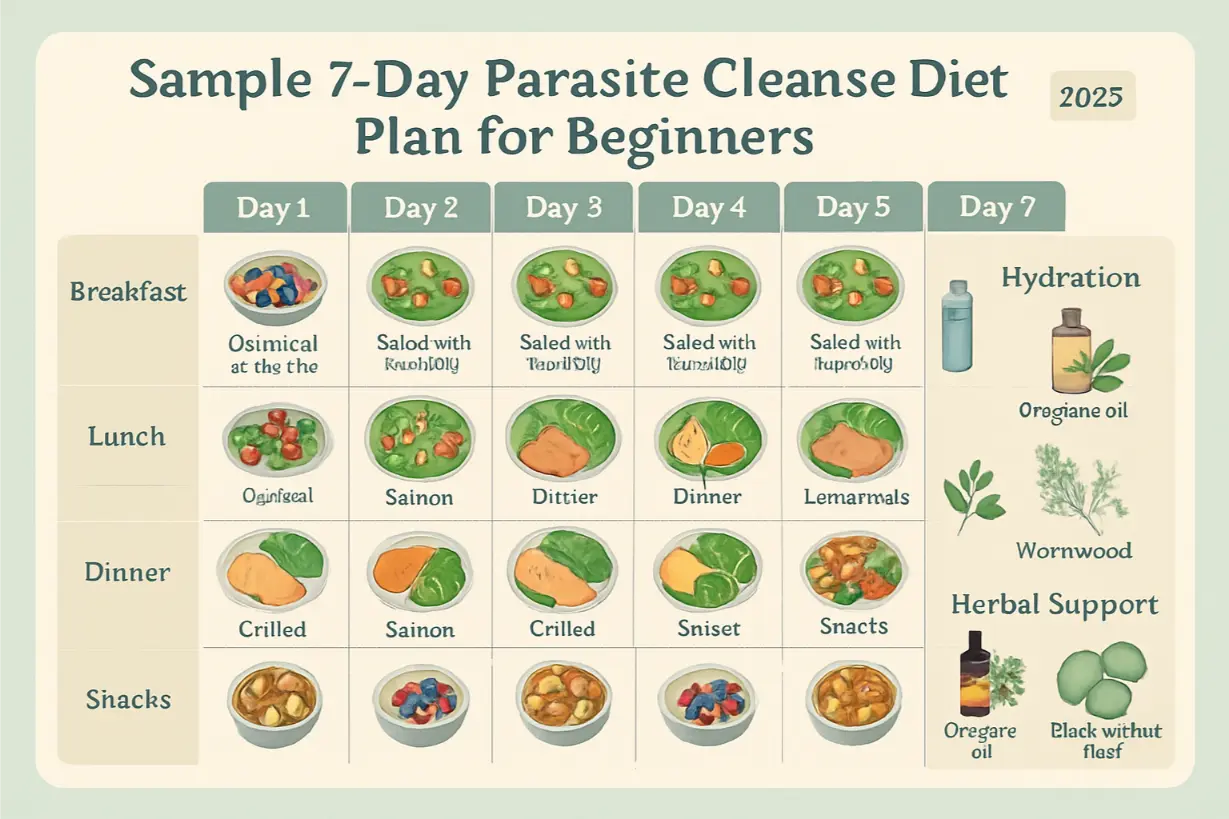
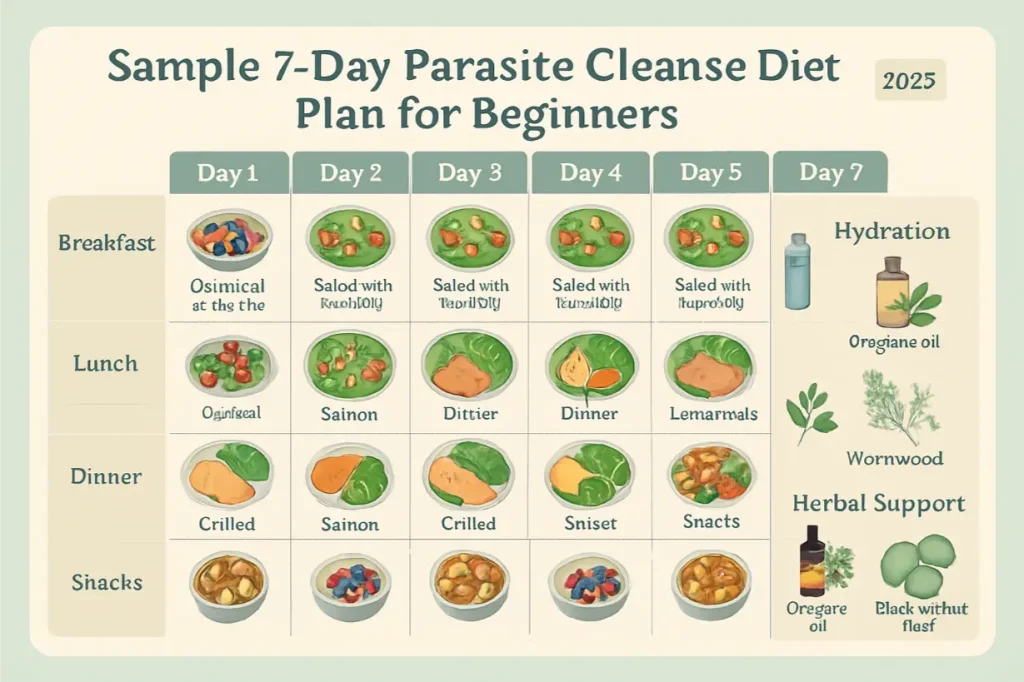
A Sample 7-Day Parasite Cleanse Diet Plan for Beginners (2026 Edition)
This is a sample plan designed to give you an idea of what a parasite cleanse diet for beginners might look like. Adjust it based on your preferences, dietary needs, and consult with a healthcare professional. Remember to drink plenty of water throughout the day, and consider incorporating a high-quality probiotic supplement.
| Meal | Day 1 | Day 2 | Day 3 | Day 4 | Day 5 | Day 6 | Day 7 |
|---|---|---|---|---|---|---|---|
| Breakfast | Green smoothie (spinach, banana, pumpkin seeds, water) | Oatmeal (gluten-free) with berries & flaxseeds | Scrambled eggs with sautéed garlic & spinach | Chia pudding (chia seeds, unsweetened almond milk, a few berries) | Smoothie bowl (blended papaya, pineapple, touch of ginger, topped with pumpkin seeds) | Gluten-free toast with avocado and a sprinkle of cayenne | Vegetable frittata (onions, bell peppers, zucchini, turmeric) |
| Lunch | Large salad with mixed greens, cucumber, carrots, grilled chicken/fish, olive oil & lemon dressing | Lentil soup with a side of steamed broccoli | Turkey and avocado lettuce wraps | Quinoa salad with black beans, corn, cilantro, and a lime dressing | Salmon fillet with roasted asparagus and sweet potato | Chicken and vegetable stir-fry (garlic, ginger, lots of veggies, tamari) | Large mixed green salad with pumpkin seeds, artichoke hearts, and a lean protein |
| Dinner | Steamed cod with garlic, ginger, and a side of sautéed kale | Baked chicken breast with a generous serving of roasted root vegetables (carrots, beets) | Hearty vegetable soup (broth-based, loaded with various veggies, no pasta) | Lean ground beef stir-fry with broccoli and bell peppers | Fish tacos on lettuce cups with salsa (no sugar), avocado, and cilantro | Chicken or lentil curry (made with coconut milk, lots of turmeric and ginger, no sugar) | Baked salmon with roasted Brussels sprouts and a side of quinoa |
| Snacks | Handful of raw pumpkin seeds | Apple slices with a spoonful of almond butter (no sugar) | Small bowl of berries | Small handful of raw almonds | Papaya slices | Vegetable sticks (cucumber, celery, carrots) with a scoop of hummus | Handful of walnuts |
| Herbal Support | Black Walnut Tincture (as directed) | Wormwood Tea (as directed) | Clove Capsules (as directed) | Oregano Oil (as directed) | Black Walnut Tincture (as directed) | Wormwood Tea (as directed) | Clove Capsules (as directed) |
Disclaimer: This is a general guide. Always consult with a healthcare professional before starting any new diet or supplement regimen.
Lifestyle Tips to Support Your Cleanse
Diet is a huge component, but a holistic approach yields the best results.
- Stress Reduction: Chronic stress weakens the immune system. Incorporate stress-reducing activities like meditation, yoga, deep breathing exercises, or spending time in nature.
- Adequate Sleep: Aim for 7-9 hours of quality sleep per night. Sleep is when your body repairs and detoxifies.
- Gentle Exercise: Moderate physical activity helps improve circulation and lymphatic flow, aiding detoxification. Think walking, light jogging, or cycling.
- Practice Good Hygiene: Wash hands thoroughly, especially after using the restroom and before preparing food. Wash fruits and vegetables well.
- Consider a Colon Cleanse: Sometimes, for effective parasite elimination, supporting bowel movements is crucial. Some people consider gentle colon cleansing methods to help expel waste efficiently. You can learn more about general uncategorized topics related to cleansing here.
What to Expect During and After Your Cleanse
Embarking on a parasite cleanse can bring about various changes in your body. It’s helpful to know what might be in store so you can prepare and react appropriately.
Potential Side Effects and ‘Die-Off’ Symptoms
As parasites die off, they can release toxins, leading to what’s often called a “Herxheimer reaction” or “die-off symptoms.” These are generally temporary and indicate that the cleanse is working.
- Fatigue: Feeling more tired than usual is common as your body works to eliminate toxins.
- Headaches: Often due to toxin release or caffeine withdrawal.
- Digestive Upset: Temporary bloating, gas, changes in bowel movements (diarrhea or constipation) can occur.
- Skin Breakouts: The skin is an elimination organ, so toxins can sometimes manifest as blemishes.
- Mood Changes: Irritability or mild anxiety can sometimes be part of the detox process.
These symptoms are usually mild and should subside within a few days. To manage them:
- Increase water intake: Helps flush toxins.
- Rest: Allow your body ample time to recover.
- Epsom salt baths: Can help draw out toxins and relax muscles.
- Reduce dosage: If using herbs, consider reducing the amount or taking a break.
If symptoms are severe or persistent, always consult with a healthcare professional. For more in-depth information, you can read about parasite cleanse side effects: what to expect and how to manage them.
Post-Cleanse Maintenance
Completing a parasite cleanse is a fantastic achievement, but it’s not the end of the journey. The period after your cleanse is crucial for maintaining your progress and preventing re-infection.
- Gradual Reintroduction of Foods: Don’t immediately jump back into old eating habits. Slowly reintroduce foods you eliminated, paying attention to how your body reacts. This can help you identify any food sensitivities.
- Continue with a Healthy Diet: Aim to maintain many of the healthy eating principles you adopted during the cleanse. Focus on whole, unprocessed foods, plenty of vegetables, and lean proteins.
- Support Gut Health: Continue consuming probiotic-rich foods or a good quality probiotic supplement to maintain a balanced gut microbiome.
- Regular Detox Support: Consider incorporating regular “mini-cleanses” or detox-supporting practices into your routine throughout 2026, such as drinking lemon water daily, or having a green smoothie for breakfast.
- Consider a Maintenance Protocol: Some individuals benefit from periodic use of anti-parasitic herbs or foods as a preventative measure. Discuss this with a healthcare professional.
- Monitor Symptoms: Pay attention to any recurring symptoms that might suggest a need for further support or another cleanse. For insights into what to expect regarding changes, explore parasite cleanse before and after: what to expect.
Who Should Consider a Parasite Cleanse?
A parasite cleanse diet plan for beginners can be beneficial for various individuals, especially those experiencing persistent, unexplained symptoms that haven’t responded to other treatments.
- Travelers: Individuals who have traveled to developing countries or areas with poor sanitation might be at higher risk.
- Pet Owners: Close contact with animals can increase exposure.
- Those with Chronic Digestive Issues: Persistent bloating, gas, diarrhea, constipation, or IBS-like symptoms without clear diagnosis.
- Individuals with Chronic Fatigue or Brain Fog: Unexplained tiredness, lack of mental clarity.
- People with Skin Problems: Eczema, rashes, or other skin irritations that don’t respond to typical treatments.
- Those with Unexplained Weight Loss or Gain: Or difficulty maintaining a healthy weight.
- Individuals with Sugar Cravings: Persistent and intense cravings for sweets.
However, a parasite cleanse is not suitable for everyone.
When to Exercise Caution or Avoid a Cleanse
- Pregnancy and Breastfeeding: Detoxification can release toxins that may be harmful to the baby.
- Children: A cleanse should only be undertaken under strict medical supervision for children.
- Underlying Medical Conditions: If you have conditions like liver disease, kidney disease, autoimmune disorders, or are on multiple medications, a cleanse could be dangerous without professional guidance.
- Eating Disorders: Individuals with a history of eating disorders should approach cleanses with extreme caution and professional support.
- Severe Symptoms: If you suspect a serious parasitic infection, consult a doctor immediately for diagnosis and conventional treatment.
It is always, always recommended to consult with a qualified healthcare practitioner, such as a doctor, naturopath, or functional medicine specialist, before starting any new cleanse or significant dietary change, particularly a parasite cleanse diet plan for beginners. They can help determine if a cleanse is appropriate for you, suggest proper protocols, and monitor your health throughout the process. Your journey to optimal health in 2026 should always be safe and supported. For a more detailed step-by-step plan that you can discuss with your doctor, see natural parasite cleanse: your 2026 step-by-step plan.
Conclusion
Embarking on a parasite cleanse diet plan for beginners in 2026 can be a transformative journey towards improved health and vitality. By focusing on whole, nutrient-dense foods, eliminating inflammatory culprits, supporting your body’s natural detoxification pathways, and being mindful of lifestyle factors, you can create an internal environment that discourages unwanted guests.
Remember, this is not just about eliminating parasites; it’s about nourishing your body, strengthening your immune system, and fostering a healthier gut microbiome. While the thought of parasites might seem daunting, taking proactive steps through dietary and lifestyle changes empowers you to take control of your well-being.
As you consider this journey, remember to listen closely to your body, be patient with the process, and, most importantly, consult with a healthcare professional. They can provide personalized advice and ensure that your cleanse is safe and effective for your unique health needs. Here’s to a healthier, more vibrant you in 2026 and beyond!
Actionable Next Steps:
- Consult a Healthcare Professional: Discuss your interest in a parasite cleanse with your doctor or a holistic practitioner to ensure it’s right for you.
- Assess Your Current Diet: Identify which “foods to avoid” you consume regularly and plan how to gradually eliminate them.
- Stock Your Pantry: Fill your kitchen with the “foods to embrace” from this guide, focusing on fresh, whole ingredients.
- Stay Hydrated: Start increasing your water intake today!
- Keep a Journal: Document your symptoms before, during, and after the cleanse to track your progress and identify any sensitivities.