Parasite Infection vs IBS Symptoms Difference: Unraveling Your Gut Mysteries in 2025
Ever found yourself grappling with persistent tummy troubles, wondering if it’s just “bad digestion” or something more serious? You’re not alone! Many people experience a confusing array of digestive symptoms like bloating, abdominal pain, and changes in bowel habits. These can often be dismissed as Irritable Bowel Syndrome (IBS), a common functional gut disorder. However, what if the culprit isn’t IBS but a silent invader: a parasitic infection? Understanding the crucial parasite infection vs ibs symptoms difference is vital for getting the right diagnosis and effective treatment. This article will help you navigate the often-overlapping world of gut discomfort, shedding light on how to distinguish between these two distinct conditions.
It’s easy to confuse the symptoms of a parasitic infection with those of IBS because they share many similarities. Both can cause significant distress and impact your daily life. Yet, their underlying causes, diagnostic approaches, and treatments are vastly different. In 2025, with increasing awareness and diagnostic tools, recognizing these differences is more important than ever. Let’s embark on a journey to understand your gut better and empower you with the knowledge to seek appropriate care.
Key Takeaways
- Overlap of Symptoms: Many digestive symptoms like bloating, pain, and altered bowel habits are common to both parasitic infections and IBS, making self-diagnosis difficult.
- Fundamental Differences: IBS is a functional disorder of the gut-brain axis with no identifiable structural cause, while parasitic infections are caused by living organisms invading the body.
- Key Distinguishing Factors: Certain symptoms (e.g., sudden weight loss, fever, travel history, presence of worms) are more indicative of a parasitic infection, whereas symptoms like pain relieved by bowel movements and chronic constipation/diarrhea without other “red flags” often point to IBS.
- Importance of Professional Diagnosis: Accurate diagnosis requires medical evaluation, including specific tests (e.g., stool analysis for parasites) to differentiate between the two conditions.
- Tailored Treatment: Treatment approaches differ significantly; parasitic infections require antiparasitic medications, while IBS management focuses on diet, lifestyle, and symptom control.
Understanding the Basics: What Are Parasite Infections and IBS?
Before we dive into the specific parasite infection vs ibs symptoms difference, let’s clarify what each condition entails. This foundational understanding will set the stage for recognizing the nuanced distinctions.
What is a Parasite Infection?
Imagine tiny, uninvited guests taking up residence in your body, often in your digestive system. That, in essence, is a parasitic infection. Parasites are living organisms that live on or in a host organism and get their food from or at the expense of their host. They come in various forms, including:
- Protozoa: Single-celled organisms, such as Giardia lamblia (causing giardiasis) and Cryptosporidium parvum (causing cryptosporidiosis). These are often acquired through contaminated water or food.
- Helminths: Multi-celled worms, often macroscopic, like tapeworms (cestodes), flukes (trematodes), and roundworms (nematodes). These can be acquired through undercooked meat, contaminated soil, or insect bites.
When these parasites establish themselves in your gut, they can disrupt normal digestive function, absorb nutrients, and even damage the intestinal lining. This can lead to a wide range of symptoms, sometimes severe. For a deeper dive into how to address these uninvited guests, consider exploring a natural parasite cleanse.
What is Irritable Bowel Syndrome (IBS)?
IBS, on the other hand, is a common functional gastrointestinal disorder. The term “functional” means that there’s no visible disease or structural abnormality in the digestive tract that can explain the symptoms. Instead, IBS is believed to involve a problem with how the brain and gut work together, leading to increased sensitivity and changes in how the gut muscles contract.
Key characteristics of IBS:
- Chronic abdominal pain: Often associated with defecation.
- Changes in bowel habits: This can include diarrhea (IBS-D), constipation (IBS-C), or a mix of both (IBS-M).
- Bloating and gas: Common and often distressing symptoms.
IBS is diagnosed based on symptoms, using criteria like the Rome IV criteria, after ruling out other conditions. It’s a diagnosis of exclusion. This means that doctors first ensure there are no other underlying issues, such as inflammatory bowel disease, celiac disease, or, indeed, parasitic infections.
The Overlap: Why the Confusion? 🤔
The primary reason for the confusion between these two conditions is the significant overlap in symptoms. Both can present with:
- Abdominal pain and cramping
- Bloating and gas
- Diarrhea
- Constipation
- Nausea
Imagine trying to solve a puzzle where many pieces look similar – it requires careful observation to find the exact fit. That’s precisely why distinguishing between the parasite infection vs ibs symptoms difference requires a meticulous approach, often guided by a healthcare professional.
Dissecting the Symptoms: Parasite Infection vs IBS Symptoms Difference
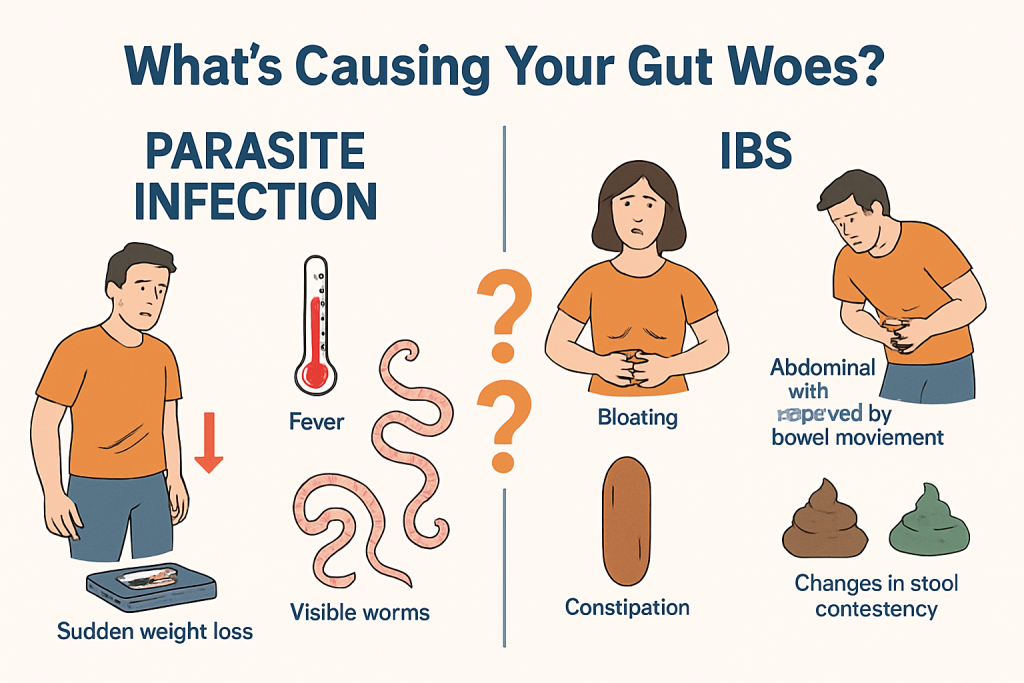
Now, let’s get into the nitty-gritty of how you might start to differentiate between these two conditions based on their specific symptoms and accompanying factors. This table provides a quick overview, followed by more detailed explanations.
| Symptom Category | Parasite Infection | Irritable Bowel Syndrome (IBS) |
|---|---|---|
| Onset | Often sudden, especially after travel or specific exposure | Usually gradual, chronic (present for at least 6 months) |
| Abdominal Pain | Can be severe, persistent, often unrelated to bowel movements | Relieved by bowel movements; may worsen with stress |
| Bowel Habits | Variable, can include sudden, severe diarrhea; sometimes visible worms or mucus | Chronic constipation, diarrhea, or alternating patterns; often mucus |
| Weight Changes | Unexplained weight loss is common | Generally stable weight, unless accompanied by anxiety or depression |
| Fever | Common, especially with acute infections | Uncommon |
| Fatigue | Profound, persistent fatigue | Can be present, often linked to sleep disturbance or chronic pain |
| Skin Issues | Rashes, itching (especially anal itching at night for pinworms) | Uncommon, unless related to stress-induced conditions |
| Travel History | Significant factor, especially to endemic areas | Not directly linked to travel |
| Response to Food | May worsen after eating, but often not consistently food-specific (beyond general digestive upset) | Often triggered by specific foods (FODMAPs), stress |
| Visible Elements | Visible worms or eggs in stool (rare but diagnostic) | Mucus in stool is common, but no worms |
| Other Symptoms | Nausea, vomiting, muscle aches, anemia, nutritional deficiencies | Bloating, gas, feeling of incomplete evacuation, heartburn, headaches |
Deeper Dive into Distinguishing Symptoms
Let’s break down some of these crucial distinctions to help you better understand the parasite infection vs ibs symptoms difference.
1. Onset and History
- Parasite Infection: The symptoms of a parasitic infection often have a more distinct onset. You might remember eating contaminated food, drinking questionable water, or traveling to an area where certain parasites are common. For example, a sudden onset of severe diarrhea and abdominal cramps a week after a trip abroad could strongly suggest a parasitic culprit like Giardia. The symptoms might also worsen over time as the parasite population grows. Learning more about what to expect with a cleanse can be helpful, see parasite cleanse before and after: what to expect.
- IBS: IBS, by definition, is a chronic condition. Symptoms usually develop gradually over months or even years. To be diagnosed with IBS, symptoms must have been present for at least six months, with abdominal pain occurring at least once a week for the last three months, associated with two or more of the following: related to defecation, change in stool frequency, or change in stool form.
2. Weight Loss and Appetite
- Parasite Infection: One of the most significant “red flags” for a parasitic infection is unexplained weight loss. Parasites compete for nutrients, leading to malabsorption and caloric deficiency, even if you’re eating normally. A sudden decrease in appetite or, conversely, an insatiable hunger combined with weight loss, could be a warning sign.
- IBS: Generally, IBS itself does not cause unexplained weight loss. If a person with IBS experiences weight loss, it’s usually due to severely restricting their diet out of fear of triggering symptoms, or it might signal another underlying condition that needs investigation.
3. Fever
- Parasite Infection: Fever is a common systemic response to many types of infections, including parasitic ones. If your digestive upset is accompanied by a fever, especially a persistent or high one, it points away from IBS and towards an infection.
- IBS: Fever is not a symptom of IBS. If you have fever along with your gut symptoms, it’s crucial to seek medical attention to rule out infections or inflammatory conditions.
4. Travel History and Exposure
- Parasite Infection: Your travel history is an incredibly important clue. Have you recently traveled to a developing country? Camped or hiked and drunk untreated water? Eaten street food in unfamiliar places? These exposures significantly increase your risk of parasitic infections.
- IBS: IBS is not directly linked to travel history, though stress from travel can exacerbate existing IBS symptoms.
5. Nighttime Symptoms
- Parasite Infection: Some parasitic infections, particularly pinworms, are notorious for causing anal itching, especially at night. Other parasites might cause nocturnal awakenings due to severe abdominal pain or diarrhea.
- IBS: While IBS symptoms can be bothersome at night, they rarely wake someone from sleep with intense pain or urgent bowel movements unless associated with an acute trigger. The classic IBS pattern often shows symptoms improving during sleep and worsening during waking hours.
6. Blood or Visible Organisms in Stool
- Parasite Infection: While not always visible to the naked eye, some larger parasites (like tapeworm segments) can occasionally be seen in stool. Blood or excessive mucus in stool, especially when accompanied by other “red flag” symptoms, could indicate parasitic damage to the intestinal lining.
- IBS: Mucus in stool is common with IBS and generally not a cause for alarm. However, visible blood in stool (unless from hemorrhoids) is never a symptom of IBS and always warrants immediate medical investigation to rule out more serious conditions.
7. Rashes and Skin Issues
- Parasite Infection: Certain parasitic infections can cause skin manifestations, such as rashes, hives, or itchy skin, as part of the body’s immune response to the invaders or due to larval migration.
- IBS: Skin issues are not typically associated with IBS unless there’s an underlying stress component that manifests dermatologically.
When to Suspect a Parasite and When to Suspect IBS
Let’s simplify it further by highlighting scenarios that lean more towards one condition than the other, keeping the parasite infection vs ibs symptoms difference at the forefront.
Leaning Towards a Parasite Infection If:
- You’ve experienced sudden, severe digestive upset after traveling internationally or camping/hiking.
- You have unexplained weight loss despite eating normally.
- You are experiencing persistent fatigue that doesn’t improve with rest.
- You have a fever accompanying your digestive symptoms.
- You’ve noticed blood or, more rarely, visible worms in your stool.
- You have severe, unrelenting abdominal pain that isn’t relieved by bowel movements.
- You’ve been in contact with someone diagnosed with a parasitic infection.
Leaning Towards IBS If:
- Your symptoms have been chronic (over 6 months) and recurrent.
- Your abdominal pain is often relieved after a bowel movement.
- Your symptoms are significantly triggered by stress or certain foods (e.g., FODMAPs).
- You experience changes in stool consistency (diarrhea, constipation, or alternating) without other “red flag” symptoms.
- You have significant bloating and gas that fluctuates throughout the day.
- You’ve had numerous tests (blood, stool, colonoscopy) that have all come back normal, ruling out other conditions.
- You do not have unexplained weight loss, fever, or blood in your stool.
The Diagnostic Journey: Uncovering the Truth
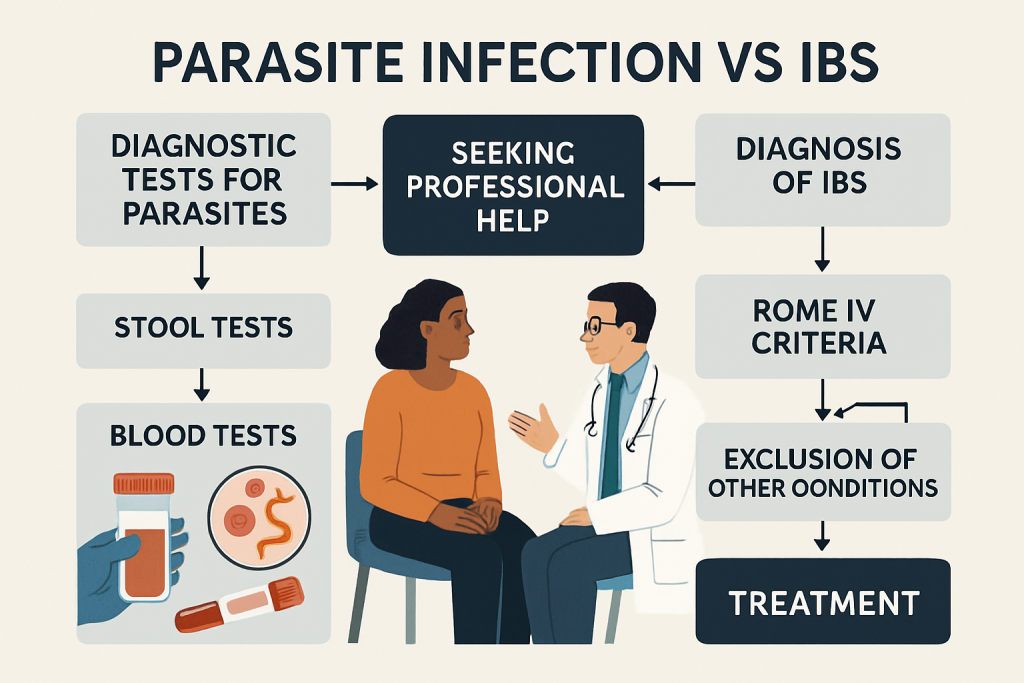
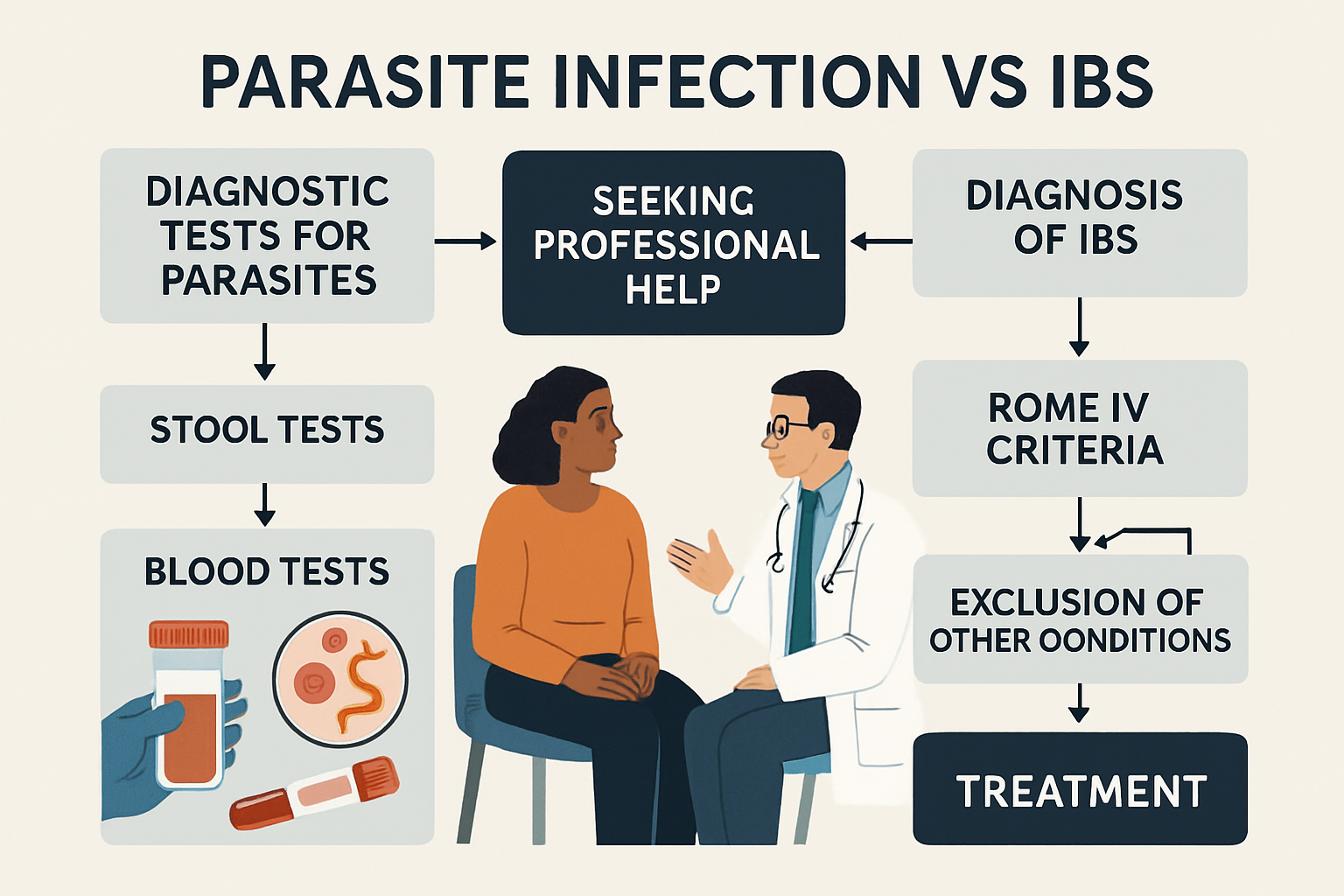
Given the significant overlap, self-diagnosis is not recommended. If you’re experiencing persistent digestive issues, the most crucial step is to consult a healthcare professional. They are equipped to properly assess your symptoms and guide you through the diagnostic process to pinpoint the exact parasite infection vs ibs symptoms difference.
Diagnosing Parasite Infections
The primary method for diagnosing intestinal parasitic infections involves stool tests.
- Stool Ova and Parasite (O&P) Test: This involves collecting several stool samples over a few days. A lab technician then examines these samples under a microscope for the presence of parasite eggs, larvae, or adult worms. This test can be highly effective but requires multiple samples to increase the chance of detection, as parasites may not shed consistently.
- Stool Antigen Tests: For certain parasites (like Giardia and Cryptosporidium), specific tests can detect antigens (proteins) from the parasites in your stool. These are often more sensitive and quicker than traditional O&P tests.
- Blood Tests: In some cases, blood tests can detect antibodies produced by your immune system in response to a parasitic infection, or signs of complications like anemia.
- Endoscopy/Colonoscopy: Rarely, if other tests are inconclusive and there’s strong suspicion, a doctor might perform an endoscopy or colonoscopy to visually inspect the gut lining and take biopsies.
It’s important to follow your doctor’s instructions carefully for stool collection, as proper technique is vital for accurate results.
Diagnosing IBS
Diagnosing IBS is primarily based on a thorough review of your symptoms and ruling out other conditions. There isn’t one specific test for IBS.
- Medical History and Physical Exam: Your doctor will ask detailed questions about your symptoms, their duration, frequency, and severity, as well as your diet, stress levels, and family history.
- Rome IV Criteria: This is a standardized set of symptom-based criteria used worldwide for diagnosing functional GI disorders like IBS. Key aspects include recurrent abdominal pain at least one day per week on average in the last three months, associated with two or more of the following: related to defecation, an associated change in stool frequency, or an associated change in stool form.
- Exclusion of Other Conditions: This is a critical step. Your doctor will likely order several tests to rule out other conditions with similar symptoms, such as:
- Blood tests: To check for anemia, inflammation (e.g., C-reactive protein, ESR), celiac disease (antibody tests), and thyroid problems.
- Stool tests: To check for infections (bacterial or parasitic, as discussed above), inflammatory markers (e.g., fecal calprotectin), and blood.
- Colonoscopy: For individuals over 50 (or younger with “red flag” symptoms like unexplained weight loss, blood in stool, or family history of colon cancer/IBD) to rule out inflammatory bowel disease or colon cancer.
- Lactose intolerance or other food sensitivity tests: To identify dietary triggers.
Only after these other conditions have been excluded, and your symptoms align with the Rome IV criteria, will an IBS diagnosis be made. This is why accurately identifying the parasite infection vs ibs symptoms difference early on is so important in the diagnostic process.
Treatment Approaches: Distinct Paths to Relief
The treatment for parasitic infections and IBS are fundamentally different, underscoring the importance of an accurate diagnosis.
Treating Parasite Infections
Treatment for parasitic infections depends entirely on the specific parasite identified.
- Antiparasitic Medications: Your doctor will prescribe specific medications designed to kill or paralyze the parasite. Examples include metronidazole, albendazole, mebendazole, and praziquantel, among others. The duration and dosage vary based on the type of parasite.
- Supportive Care: This may include medications to manage symptoms like diarrhea or nausea, and advice on hydration and nutrition to help your body recover. In some cases, addressing nutritional deficiencies caused by the parasite is also crucial.
- Hygiene and Prevention: Education on proper handwashing, safe food handling, and clean water practices is essential to prevent re-infection and transmission.
- Natural Approaches: Some people explore natural methods alongside conventional treatments. You can learn about top 5 herbs for a natural parasite cleanse or a natural parasite cleanse: your 2025 step-by-step plan for additional support, always in consultation with your healthcare provider. Be aware of potential parasite cleanse side effects: what to expect and how to manage them.
Managing IBS
Since IBS is a functional disorder, its management focuses on symptom control and improving gut function and quality of life. There is no single “cure” for IBS, but various strategies can significantly reduce symptoms.
- Dietary Modifications:
- FODMAP Diet: A low-FODMAP diet is often recommended, as certain fermentable carbohydrates can trigger symptoms. This is usually done under the guidance of a dietitian. You can find useful information on a parasite cleanse diet recipes: fiber-rich meals for gut health for ideas on gut-friendly meals.
- Identifying Triggers: Keeping a food diary to identify individual trigger foods.
- Fiber Intake: Adjusting fiber intake, as some with IBS-C benefit from more fiber, while those with IBS-D might need to be cautious with certain types.
- Lifestyle Changes:
- Stress Management: Techniques like mindfulness, yoga, meditation, and regular exercise can significantly help, as stress is a major IBS trigger.
- Regular Exercise: Can improve gut motility and reduce stress.
- Adequate Sleep: Essential for overall gut health and symptom management.
- Medications:
- Antispasmodics: To reduce abdominal pain and cramping.
- Laxatives or Anti-diarrheals: To manage constipation or diarrhea.
- Specific IBS Medications: Newer medications like lubiprostone (for IBS-C), linaclotide (for IBS-C), and rifaximin (an antibiotic for IBS-D targeting gut bacteria) are available.
- Antidepressants: Low-dose tricyclic antidepressants or SSRIs can help modulate pain perception and gut motility in some cases, especially when pain is a significant factor.
- Psychological Therapies:
- Cognitive Behavioral Therapy (CBT): Helps patients change negative thought patterns and behaviors related to their symptoms.
- Hypnotherapy: Can be effective in retraining gut-brain communication.
The Importance of Accurate Diagnosis in 2025
In 2025, with advancements in medical science and a greater understanding of gut health, the emphasis on accurate diagnosis is stronger than ever. Misdiagnosing a parasitic infection as IBS can lead to:
- Prolonged suffering: The parasitic infection continues to wreak havoc, causing ongoing symptoms and potential long-term health issues.
- Ineffective treatment: IBS treatments will not eradicate a parasite, delaying proper healing.
- Worsening health: Untreated parasites can lead to nutrient deficiencies, organ damage, and other serious complications.
- Unnecessary worry and frustration: Continuously trying to manage “IBS” with no success can be disheartening.
Conversely, mistaking IBS for a parasitic infection can lead to:
- Unnecessary medication: Taking antiparasitic drugs when no parasite is present carries risks and side effects without benefit.
- Delay in appropriate IBS management: Missing out on effective strategies that could improve quality of life for IBS sufferers.
Therefore, if you have persistent or worsening digestive symptoms, especially if they include any of the “red flag” signs, it is absolutely essential to seek professional medical advice. Don’t assume; get tested. Your doctor will help you understand the nuances of the parasite infection vs ibs symptoms difference and guide you toward the correct path.
Conclusion: Don’t Guess, Get Tested for Gut Health in 2025
Navigating the complexities of digestive symptoms can be overwhelming, especially when conditions like parasitic infections and IBS share so many commonalities. However, armed with the knowledge of the key parasite infection vs ibs symptoms difference, you are better equipped to advocate for your health. Remember, while both conditions can significantly impact your well-being, their underlying causes and effective treatments are worlds apart.
If you’re experiencing unexplained weight loss, fever, severe or sudden onset of digestive issues, recent travel to endemic areas, or any other “red flag” symptoms discussed, it’s imperative to consult your doctor. They can perform the necessary diagnostic tests, such as stool analysis, to determine if a parasitic infection is present. If parasites are ruled out, and your symptoms align with the diagnostic criteria, then IBS management strategies can be effectively implemented.
Don’t let gut discomfort dictate your life. Take the proactive step to seek professional medical advice in 2025. An accurate diagnosis is the first and most critical step toward finding relief and reclaiming your digestive health.
Actionable Next Steps:
- Document Your Symptoms: Keep a detailed journal of your symptoms, including onset, frequency, severity, potential triggers (food, stress), and any accompanying symptoms like fever or weight changes.
- Review Your History: Note any recent travel, exposure to contaminated food/water, or contact with sick individuals.
- Consult a Healthcare Professional: Schedule an appointment with your primary care physician or a gastroenterologist. Share your detailed symptom journal and history.
- Discuss Testing Options: Be prepared to discuss and undergo diagnostic tests, such as stool samples for parasites, blood tests, or other procedures your doctor recommends.
- Follow Medical Advice: Adhere strictly to your doctor’s recommendations for diagnosis and treatment.