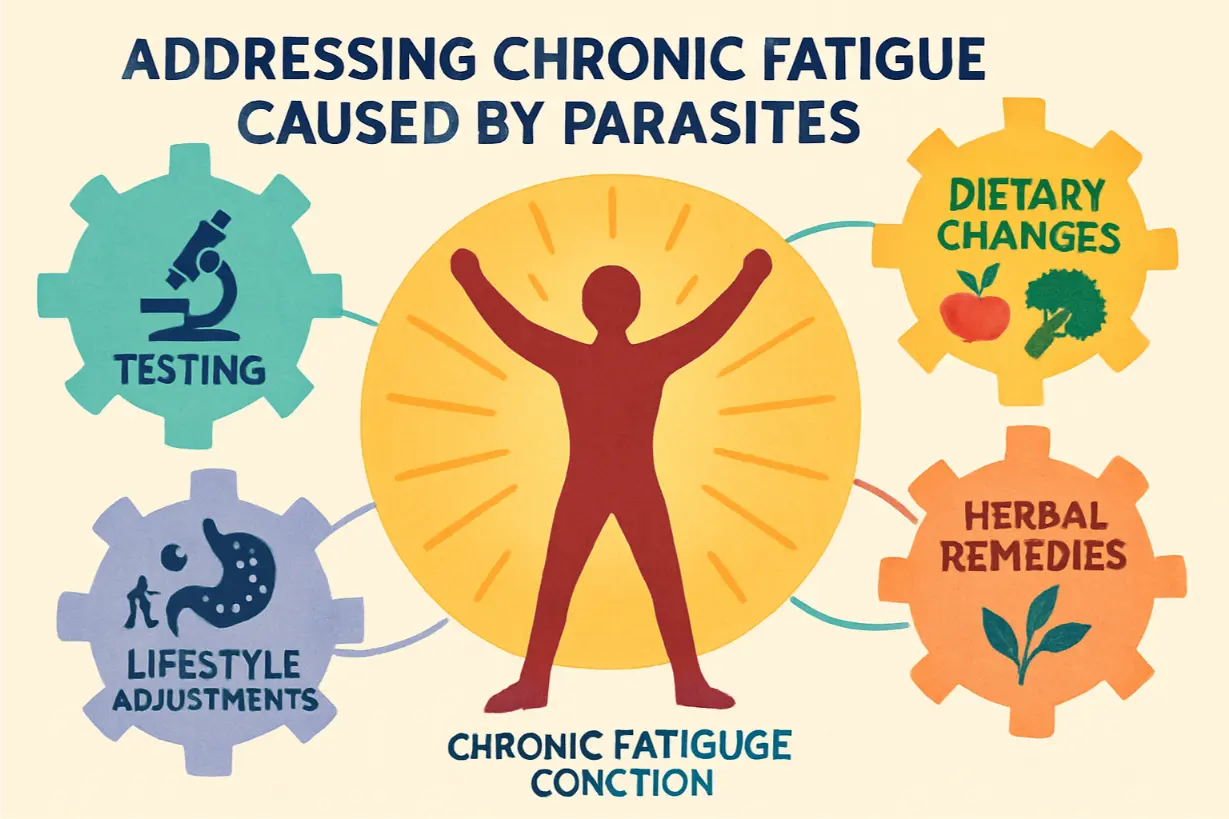
Unmasking the Exhaustion: Understanding the Parasites and Chronic Fatigue Connection in 2025
Do you constantly feel like your energy tank is running on empty, no matter how much you sleep? Are you struggling with brain fog, digestive issues, and a general feeling of unwellness that just won’t go away? If you’ve been living with persistent exhaustion and an array of baffling symptoms, you’re not alone. Many people worldwide experience chronic fatigue, a debilitating condition that can turn everyday tasks into monumental challenges. While various factors contribute to chronic fatigue, one often-overlooked culprit might be lurking within your body: parasites. Yes, the parasites and chronic fatigue connection is a topic gaining increasing attention in 2025, as we delve deeper into the root causes of complex health conditions. This comprehensive guide will explore how these unwelcome guests can drain your vitality and offer insights into understanding and addressing this surprising link.
Key Takeaways
- Parasites are More Common Than You Think: Many people harbor parasites without knowing it, and these organisms can significantly impact health.
- A Hidden Cause of Fatigue: Parasites can directly contribute to chronic fatigue by stealing nutrients, producing toxins, and stressing the immune system.
- Beyond Just Digestive Issues: While often associated with gut problems, parasitic infections can cause widespread symptoms affecting energy, mood, and cognitive function.
- Diagnosis Can Be Tricky: Traditional diagnostic methods for parasites can be insufficient, requiring a more comprehensive approach.
- Holistic Approach is Key: Addressing parasitic infections and chronic fatigue requires a multi-faceted strategy involving diet, targeted remedies, and lifestyle changes.
The Unseen Invaders: How Parasites Impact Your Body and Energy Levels
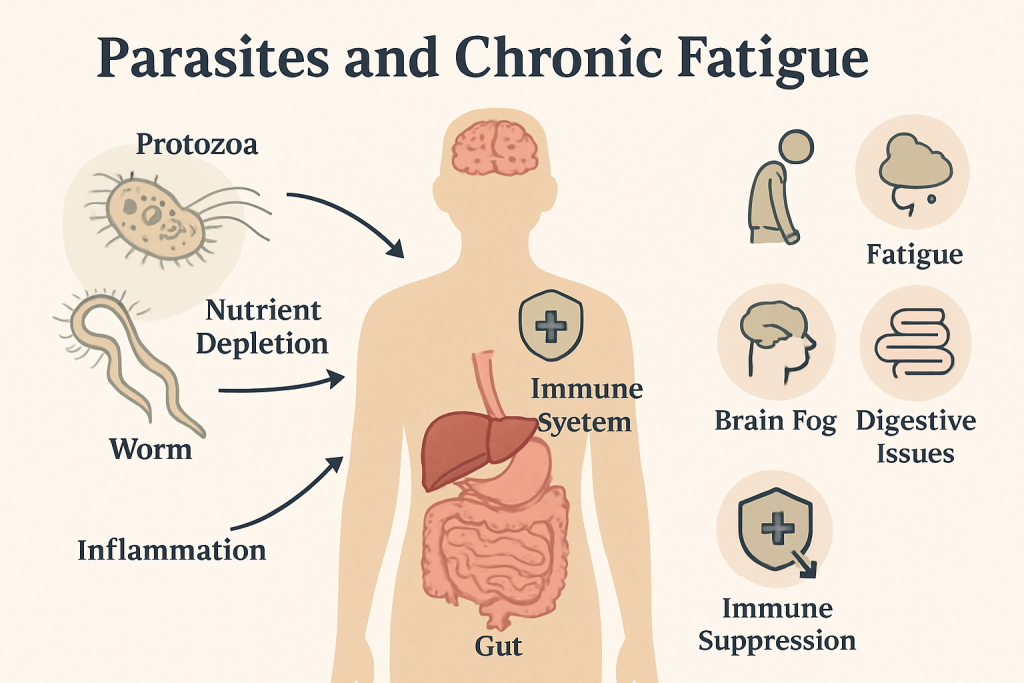
Imagine tiny, unwelcome guests setting up camp inside your body, consuming your nutrients, releasing waste products, and constantly irritating your internal systems. That’s essentially what happens when you have a parasitic infection. These organisms come in various forms, from microscopic protozoa like Giardia and Blastocystis hominis to larger worms like tapeworms and roundworms. While the thought of parasites might make you squirm, it’s crucial to understand that they are far more common than many people realize, even in developed countries, and the parasites and chronic fatigue connection is becoming an increasingly recognized area of study.
What are Parasites and How Do We Get Them?
Parasites are organisms that live on or in a host and get their food from or at the expense of their host. They are incredibly adaptable and can enter your body in several ways:
- Contaminated Food and Water: This is one of the most common routes. Eating undercooked meat or fish, unwashed produce, or drinking unfiltered water can introduce parasites.
- Contact with Contaminated Soil: Walking barefoot or gardening without gloves can expose you to parasitic eggs.
- Pet Contact: Some parasites can be passed from pets to humans.
- Travel: Visiting areas with poor sanitation can increase your risk.
- Person-to-Person Transmission: Certain parasites can be spread through close contact.
Once inside, parasites can take residence in different parts of your body, including your intestines, liver, lungs, brain, muscles, and even your blood. Their preferred location often dictates the specific symptoms you might experience.
The Direct Link: How Parasites Contribute to Chronic Fatigue
The parasites and chronic fatigue connection isn’t a simple one-to-one relationship, but rather a complex interplay of several factors. Here’s a breakdown of how these insidious invaders can drain your energy:
Nutrient Depletion: This is perhaps the most straightforward way parasites cause fatigue. They literally feed off your body’s resources. Imagine having a permanent houseguest who constantly raids your pantry!
- Vitamins: Many parasites consume essential vitamins like B12, iron, and magnesium, all crucial for energy production. A deficiency in B12, for instance, can lead to pernicious anemia, a major cause of extreme fatigue.
- Minerals: Iron deficiency anemia is another common issue, directly impacting red blood cell production and oxygen transport, leading to profound tiredness.
- Proteins and Fats: Parasites can interfere with the absorption of these macronutrients, which are vital building blocks and energy sources.
- Impact: When your body lacks these vital nutrients, your cells cannot produce energy efficiently, resulting in persistent exhaustion, weakness, and brain fog.
Toxin Production and Immune Burden: Parasites aren’t just nutrient thieves; they also excrete their own waste products, which are toxic to the human body.
- Metabolic Byproducts: These toxins put a significant burden on your liver and detoxification pathways. Your body has to work overtime to neutralize and eliminate these harmful substances.
- Immune System Overload: The constant presence of parasites triggers a sustained immune response. Your immune system is perpetually “on guard,” fighting off the invaders. This chronic activation consumes a tremendous amount of energy, leaving you feeling drained.
- Inflammation: The immune response often involves inflammation. Chronic inflammation, even low-grade, is a known contributor to fatigue, pain, and other systemic symptoms.
- Impact: This continuous battle and detoxification effort divert energy from other vital bodily functions, manifesting as deep fatigue, aches, and a general feeling of being unwell.
Gut Dysbiosis and Digestive Issues: The gut is often the primary residence for many parasites, and their presence can wreak havoc on your gut microbiome – the community of bacteria living in your digestive tract.
- Imbalance: Parasites can disrupt the delicate balance of beneficial and harmful bacteria, leading to gut dysbiosis. This imbalance can impair digestion, nutrient absorption, and even immune function.
- Leaky Gut: Some parasites can damage the intestinal lining, leading to increased intestinal permeability, often called “leaky gut.” This allows undigested food particles and toxins to enter the bloodstream, triggering further inflammation and immune reactions, intensifying fatigue.
- Symptoms: Beyond fatigue, this can manifest as bloating, gas, constipation, diarrhea, and irritable bowel syndrome (IBS)-like symptoms, which further deplete energy and reduce quality of life.
- Impact: A compromised gut cannot properly absorb nutrients or function optimally, directly impacting overall energy levels and contributing to the parasites and chronic fatigue connection.
Adrenal Fatigue and Stress Response: Chronic parasitic infections represent a significant physiological stressor on the body.
- HPA Axis: This prolonged stress can impact the hypothalamic-pituitary-adrenal (HPA) axis, the central regulator of the stress response. Over time, the adrenal glands, which produce stress hormones like cortisol, can become overworked.
- Cortisol Imbalance: An imbalance in cortisol levels – either too high initially, then too low – can profoundly affect energy, sleep, mood, and immune function, leading to symptoms consistent with “adrenal fatigue” or HPA axis dysfunction.
- Impact: The body’s ability to cope with stress diminishes, leading to persistent fatigue, difficulty sleeping, anxiety, and a reduced capacity to handle even minor stressors.
Neurological Impact: Some parasites can affect the nervous system directly or indirectly through inflammation and toxin production.
- Neurotoxins: Certain parasitic byproducts can be neurotoxic, affecting brain function, leading to “brain fog,” memory issues, difficulty concentrating, and mood disturbances.
- Inflammation: Systemic inflammation caused by parasites can cross the blood-brain barrier, affecting neurotransmitter balance and contributing to fatigue and cognitive dysfunction.
- Impact: This neurological involvement explains why chronic fatigue often comes with symptoms like impaired memory, difficulty focusing, and a general feeling of mental sluggishness.
Pull Quote: “The ongoing battle against internal parasites can drain your body’s resources, leaving your energy reserves critically low, often mimicking other chronic conditions.”
Table: Common Symptoms of Parasitic Infections Linked to Chronic Fatigue
| Category | Specific Symptoms |
|---|---|
| Energy & Fatigue | Persistent, unexplained fatigue that doesn’t improve with rest, post-exertional malaise (fatigue worsening after minimal physical or mental effort), low stamina, generalized weakness, feeling “unrefreshed” after sleep. |
| Digestive Issues | Irritable bowel syndrome (IBS) symptoms (cramping, bloating, gas), alternating constipation and diarrhea, unexplained weight loss or gain, appetite changes (increased hunger or loss of appetite), nausea, anal itching. |
| Cognitive | Brain fog, difficulty concentrating, memory problems, mental sluggishness, difficulty focusing, slow processing speed. |
| Immune System | Frequent colds or infections, unexplained allergic reactions, food sensitivities, skin rashes, hives, eczema, worsening autoimmune conditions, swollen lymph nodes. |
| Musculoskeletal | Unexplained muscle aches, joint pain, fibromyalgia-like symptoms, restless legs syndrome. |
| Mood & Sleep | Anxiety, depression, irritability, disturbed sleep (insomnia, waking frequently), nightmares, teeth grinding (bruxism), unexplained changes in mood. |
| Other | Anemia (iron deficiency), nutrient deficiencies, unexplained headaches, dark circles under eyes, skin lesions, sensitivity to light, unexplained fevers, menstrual irregularities in women. |
It’s important to remember that these symptoms can overlap with many other conditions, which is why diagnosing parasitic infections can be challenging. This is precisely why a deeper understanding of the parasites and chronic fatigue connection is vital for accurate diagnosis and effective treatment in 2025.
Exploring the Parasites and Chronic Fatigue Connection: Diagnosis and Holistic Solutions
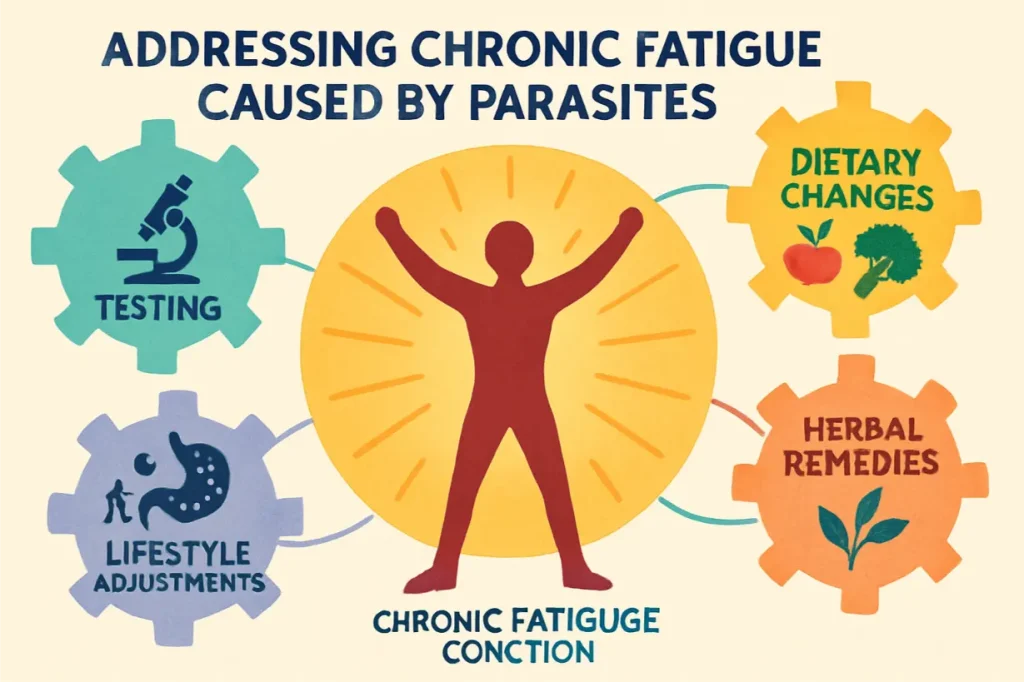
Given the widespread and often vague nature of parasitic symptoms, how can one determine if these microscopic invaders are indeed the root cause of their chronic fatigue? The journey often begins with careful investigation and then moves to a comprehensive, holistic approach to cleansing and rebuilding the body.
The Diagnostic Challenge: Why Parasites are Often Missed
Traditional medical tests often fall short in detecting parasitic infections, especially chronic, low-level ones. Here’s why:
- Standard Stool Tests: Conventional ova and parasite (O&P) tests often only look for a limited number of parasites and may require multiple samples over several days because parasites don’t shed eggs consistently. Many common parasites (especially protozoa) are simply missed.
- Insensitive Methods: Many labs use outdated methods that lack the sensitivity to detect subtle infections.
- Location, Location, Location: Some parasites don’t live in the gut but in other tissues, making stool tests ineffective.
- “Normal” Results: A “normal” stool test doesn’t necessarily mean you’re parasite-free, particularly if your symptoms persist.
Advanced Diagnostic Approaches
If you suspect a parasitic infection is contributing to your chronic fatigue, it’s crucial to work with a healthcare practitioner who understands functional medicine and has experience with complex chronic conditions. They might recommend more advanced testing:
- Comprehensive Stool Analysis with PCR (Polymerase Chain Reaction): This type of test looks for parasitic DNA, offering much higher sensitivity and specificity than traditional microscopic exams. It can detect a wider range of parasites, including those that are harder to spot.
- Blood Tests: For some parasites, blood tests can detect antibodies your body produces in response to the infection.
- Clinical Evaluation: A thorough review of your symptoms, medical history, travel history, and lifestyle factors is paramount. Sometimes, the pattern of symptoms itself can strongly suggest a parasitic involvement.
Important Note: Always consult with a qualified healthcare professional before pursuing any diagnostic tests or starting a treatment plan. Self-diagnosis and self-treatment can be risky.
A Holistic Approach to Addressing Parasites and Chronic Fatigue
If a parasitic connection is identified, or even strongly suspected, a holistic approach is often the most effective way to address both the parasites and the chronic fatigue. This isn’t just about “killing” parasites; it’s about creating an internal environment where they cannot thrive and then supporting your body’s healing.
1. Dietary Modifications: Starving the Invaders and Nourishing the Host
Diet plays a crucial role in both fighting parasites and supporting your body’s recovery.
- Eliminate Sugar and Refined Carbs: Parasites thrive on sugar. Cutting out added sugars, sugary drinks, white bread, pasta, and processed foods is a critical first step. This also helps reduce inflammation and stabilize blood sugar, which can improve energy.
- Avoid Processed Foods and Artificial Ingredients: These add to your body’s toxic burden and stress your digestive system.
- Increase Fiber-Rich Foods: Fiber acts like a broom, helping to sweep parasites and their toxins out of your digestive tract. Focus on fruits, vegetables, and whole grains. Learn more about fiber-rich meals for gut health.
- Incorporate Anti-Parasitic Foods:
- Garlic: Potent antimicrobial properties.
- Onions: Similar to garlic, they have anti-parasitic effects.
- Pumpkin Seeds: Contain cucurbitacin, which can paralyze and eliminate worms.
- Papaya Seeds: Known for their anti-amoebic and anthelmintic (worm-expelling) properties.
- Pineapple: Contains bromelain, an enzyme that aids digestion and may help with parasites.
- Ginger: Aids digestion, reduces inflammation, and can help with nausea.
- Fermented Foods: Sauerkraut, kimchi, and kefir can help restore beneficial gut bacteria.
- Stay Hydrated: Drink plenty of clean, filtered water to support detoxification and bowel regularity.
2. Targeted Herbal Remedies and Supplements
Nature provides a powerful arsenal against parasites. Many herbs have long been used traditionally and are now being studied for their anti-parasitic properties. When considering a natural parasite cleanse, it’s important to choose a comprehensive approach. You can explore natural parasite cleanse options for more information.
Key Anti-Parasitic Herbs:
- Wormwood (Artemisia absinthium): Historically used for intestinal worms.
- Black Walnut Hull (Juglans nigra): Effective against various worms and fungi.
- Cloves (Syzygium aromaticum): Believed to destroy parasite eggs.
- Oregon Grape Root (Mahonia aquifolium): Contains berberine, an alkaloid with broad-spectrum antimicrobial activity.
- Goldenseal (Hydrastis canadensis): Another berberine-rich herb, excellent for gut health.
- Neem (Azadirachta indica): Known for its strong anti-parasitic, anti-bacterial, and anti-fungal properties.
- Grapefruit Seed Extract: A powerful antimicrobial agent.
- Mimosa Pudica: A unique herb that forms a sticky gel in the gut, potentially helping to bind and remove parasites and their eggs.
- For a deeper dive, check out the top 5 herbs for a natural parasite cleanse.
Supportive Supplements:
- Probiotics: Essential for restoring healthy gut flora after cleansing and to combat dysbiosis.
- Digestive Enzymes: Help break down food, improving nutrient absorption and potentially weakening parasites.
- Activated Charcoal or Bentonite Clay: Can help bind to toxins released by dying parasites and facilitate their removal from the body, minimizing die-off symptoms.
- Liver Support Herbs: Dandelion, milk thistle, and artichoke extract can aid the liver in its detoxification processes.
- Vitamin and Mineral Repletion: Essential to replenish nutrients depleted by parasites. This may include iron, B vitamins, magnesium, and zinc.
A well-structured natural parasite cleanse often involves cycles of anti-parasitic herbs, followed by phases of gut healing and rebalancing. It’s vital to follow a clear plan, often guided by a professional, to ensure safety and effectiveness. It’s also wise to be aware of parasite cleanse side effects and how to manage them.
3. Lifestyle Modifications: Supporting Your Body’s Healing Journey
Addressing the parasites and chronic fatigue connection goes beyond just diet and supplements. Lifestyle changes are crucial for supporting your body’s natural healing and energy production.
- Stress Management: Chronic stress suppresses the immune system and drains energy. Incorporate stress-reducing practices like meditation, deep breathing exercises, yoga, or spending time in nature.
- Adequate Sleep: Prioritize 7-9 hours of quality sleep per night. Sleep is when your body repairs and regenerates. Establish a consistent sleep schedule and create a relaxing bedtime routine.
- Gentle Exercise: While intense exercise can worsen fatigue, gentle activities like walking, swimming, or tai chi can improve circulation, boost mood, and support detoxification without overtaxing your system.
- Hygiene Practices: Reinforce good hygiene, especially handwashing, to prevent reinfection.
- Clean Water: Ensure you are drinking clean, filtered water. Consider a good quality water filter for your home.
- Food Safety: Practice diligent food safety, washing produce thoroughly and cooking meats to appropriate temperatures.
- Environmental Toxin Reduction: Minimize exposure to environmental toxins (e.g., pesticides, heavy metals) that can burden your detoxification pathways.
The Journey to Recovery: What to Expect
The path to overcoming chronic fatigue linked to parasites is a journey, not a sprint.
As you embark on a parasite cleanse, you might experience various sensations. Understanding parasite cleanse before and after expectations can help manage the process. Initially, some individuals might experience what’s known as a “Herxheimer reaction” or “die-off symptoms,” as parasites release toxins when they die. This can temporarily worsen fatigue, headaches, or digestive upset. These symptoms are usually temporary and indicate that the cleanse is working. Supporting detoxification pathways (plenty of water, fiber, binders) can help mitigate these effects.
Over time, as the parasitic burden is reduced and your body begins to heal, you should gradually experience:
- Increased energy and reduced fatigue.
- Improved digestion and gut comfort.
- Enhanced mental clarity and focus.
- Stronger immune function.
- Better sleep quality.
- Overall improvement in well-being.
Remember, rebuilding your health takes time and consistency. Working closely with a knowledgeable practitioner can provide personalized guidance and support throughout this transformative process, especially when tackling the complex parasites and chronic fatigue connection in 2025.
Conclusion: Empowering Your Energy in 2025
The parasites and chronic fatigue connection is a significant, yet often overlooked, puzzle piece in the complex world of chronic illness. For too long, persistent exhaustion, brain fog, and digestive woes have been dismissed or misdiagnosed, leaving countless individuals searching for answers. In 2025, with advancements in functional medicine and diagnostic testing, we have a greater capacity to uncover these hidden invaders and understand their profound impact on our vitality.
Recognizing that unseen parasites can steal your energy, disrupt your gut, and burden your immune system is the first step towards reclaiming your health. While the journey to recovery requires patience and diligence, it offers the promise of renewed energy, mental clarity, and overall well-being.
Actionable Next Steps:
- Listen to Your Body: If you resonate with the symptoms discussed, especially persistent, unexplained fatigue and digestive issues, don’t dismiss them.
- Seek Knowledgeable Support: Find a healthcare practitioner (e.g., functional medicine doctor, naturopath, integrative health coach) experienced in diagnosing and treating parasitic infections and chronic fatigue. They can guide you through appropriate testing and treatment plans.
- Explore Advanced Testing: Discuss comprehensive stool analysis with PCR testing with your practitioner to get a clearer picture of your gut health and potential parasitic load.
- Embrace a Holistic Approach: Be prepared to make dietary and lifestyle changes. Reducing sugar, increasing fiber, and incorporating anti-parasitic foods and herbs are fundamental steps.
- Prioritize Gut Health: Focus on healing your gut lining and rebalancing your microbiome, as a healthy gut is central to energy production and immune function.
- Be Patient and Persistent: Healing from chronic conditions takes time. Celebrate small victories and stay committed to your health journey.
By taking proactive steps to investigate and address the parasites and chronic fatigue connection, you can empower yourself to move from constant exhaustion to a life filled with vibrant energy and improved health in 2025 and beyond.